Aged Care Facebook Ads: How to Reach Families Comparing Care Options
On this page 8 sections
Key takeaways
- Target adult children with broad location and age signals, not sensitive health data
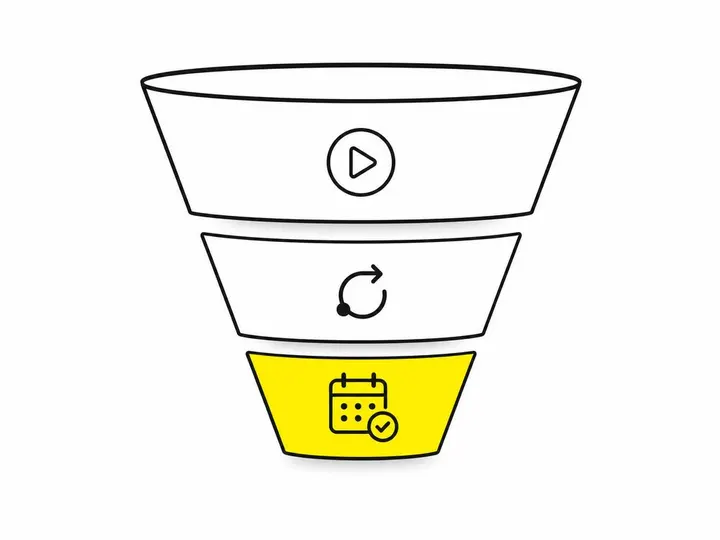
- Build a three-stage funnel: awareness content, retargeting, then a direct enquiry prompt
- Distinguish residential care from Support at Home in every ad and landing page
- Use landing pages with clear service types, suburb, response time and next steps
- Measure tours booked, enquiries completed and calls answered, not just clicks
- Review every AI-generated headline and claim before it goes live
Families researching aged care options use Facebook to compare providers, read reviews, and ask questions before making contact. If your aged care service isn't showing up in their feed with practical answers and a clear next step, you're losing enquiries to competitors who are. This guide shows you how to build a Facebook ad strategy that reaches adult children at the right moment, without overstepping into sensitive personal data, and converts interest into genuine leads.
Why Facebook Works for Aged Care Enquiries
The real decision-maker in most aged care enquiries
Most initial enquiries about residential aged care or in-home support come from adult children researching options for a parent or aging relative. These adult children are typically aged 45 to 65, have disposable income to influence the decision, and use Facebook actively to find local services and read what other families say. They are not looking for a quick transaction; they are building a shortlist of two to four providers before they call anyone.
Facebook's strength in aged care marketing is that it reaches this decision-maker at scale in a geographic area you define. Unlike search, where people are looking for general information ("aged care near me"), Facebook allows you to show up in front of people in your catchment with helpful content that answers the specific questions they are asking right now: What does your daily routine look like? How much does it cost? Can my mum bring her pets? Do you have respite care?
Why Facebook reaches that audience effectively
Facebook's targeting lets you reach people by location, age, interests, and behaviour without relying on health data or personal circumstances you should not be using. Your audience is not "people looking for aged care" or "people with aging parents"; it is "people aged 45 to 70 in [your suburb] who have engaged with family, retirement planning, or health content." That distinction matters both ethically and legally in aged care advertising.
Facebook also lets you retarget warm audiences. If someone watched a video about your residential care model, visited your website, or requested information, you can show them a follow-up ad inviting them to book a tour or speak to a care coordinator. This layered approach works better for aged care than a single ad, because the decision journey is longer and more considered than a quick purchase.
How to Target Families Without Using Sensitive Data
Broad location and age-based audiences
Start by defining your geographic catchment: the suburbs or postcodes where you operate or accept new residents. Use Facebook's location targeting to show your ads to people who live in or have recently visited that area. For a provider operating across multiple homes or service zones, create separate ad sets for each location.
Age targeting should be broad. Set your audience to ages 45 to 70 or even 40 to 75, depending on your service and typical enquiry profile. Do not try to narrow further by inferring health status or family structure; Facebook's broad targeting combined with your specific location will naturally filter to people in your catchment.
First-party signals and custom audiences
Custom audiences in Meta Ads let you upload email lists of past enquiries, callers, or tour visitors and ask Facebook to find similar people in your area. This is both effective and ethical: you are using data you already collected with consent, not making assumptions about strangers' circumstances.
If someone visited your website, watched a care home tour video, or downloaded your fees guide, they signal genuine interest. Retargeting warm audiences on Facebook with a follow-up message (such as "Book your tour this week" or "Speak to our care coordinator") converts these warm leads far better than trying to reach cold audiences from scratch.
What to avoid in your targeting settings
Do not use Facebook's interest categories related to health conditions, disabilities, or care needs, even if they appear relevant. Do not use audience segments based on life events, wealth estimation, or inferred family situations. These violate the spirit of responsible aged care marketing and may breach Meta's policies on sensitive targeting.
Avoid exclusions that could imply you are only suitable for a particular health status. If your ad is rejected or flagged, check whether the copy or creative is making unsupported claims about medical outcomes or care quality. Reaching families and filling vacancies works better when you focus on practical features location, activities, meals, costs, availability rather than health promises.
Building Creative Around Comparison Questions
The questions families are actually asking
Families comparing aged care options want to know: What is the daily routine? Can they bring pets? How much does it cost? Is there a waiting list? Can my parent stay involved in activities? How do you handle medication? What if they need respite for a week?
These are not emotional questions; they are practical ones. Your creative should answer one per ad. A video showing your morning routine, a carousel showing weekly activities, a testimonial addressing cost concerns, or a simple graphic answering "Yes, we have rooms available" all outperform vague messaging about "compassionate care" or "quality of life."
Ad formats that work for care providers
Video ads perform best if they show your physical space (a garden, dining room, activity), your staff or residents (with consent), or a clear explanation of a service feature. Keep videos to 15 to 30 seconds; most people watching Facebook on mobile will not sit through a two-minute story.
Carousel ads (showing 3 to 5 cards) work well for comparing features: one card shows location, one shows activities, one shows fees, one shows how to book a tour. Each card should have a simple image and a one-sentence headline.
Testimonial ads from family members ("Mum settled in within days and loves the garden") or staff ("I've worked here 12 years because the team genuinely cares") build credibility. Text-based ads with a single question ("Do you need respite care this month?") and a clear call-to-action also work if the copy is specific, not generic.
One question per ad: why it converts better
An ad that tries to cover care types, location, costs, and availability in one message dilutes every message. Instead, run separate ad variations, each answering a single question. Test which questions drive the most engagement and conversions, then scale the winners. This approach also makes it easier to measure what families actually care about most.
The Three-Stage Aged Care Ad Funnel
Building an effective ad funnel for aged care follows the same logic as other services, but with longer decision timelines and multiple touchpoints before a commitment.
Stage 1: Awareness content that earns trust
Show your ads to cold audiences in your catchment with helpful, educational content. A video tour of your residential care unit. A guide to "What to ask when comparing aged care homes." A before-and-after story of someone settling into your community. A post about Support at Home pathways. None of these asks for contact information; they simply build familiarity and trust.
Spend 30 to 40 percent of your budget here. Your goal is reach and engagement, not immediate enquiries. Measure view-through rate, video view rate, and engagement rate. If your content is performing, you will see natural comments, shares, and profile visits.
Stage 2: Retargeting warm audiences
Retarget people who watched at least 3 seconds of your awareness video, visited your website, or engaged with your previous posts. Show them a second-stage ad that moves the conversation forward: "Ready to book a tour?" or "Download our fees and care options guide" or "Speak to a care coordinator this week."
Facebook Lead Ads vs a website form are both viable here. Lead Ads let people submit their details without leaving Facebook, reducing friction. A landing page on your website gives you more control over the message and builds trust by showing your full service description. For aged care, consider using a Lead Ad as the initial capture, then following up with a landing page visit during the next stage.
Stage 3: The direct enquiry or tour invitation
Retarget warm prospects again with a direct call-to-action: "Book your tour now," "Call our care coordinator," or "Request an information pack." At this stage, you are speaking to people who have already shown interest twice. Expect higher cost per click and cost per enquiry, but much higher quality enquiries. Someone clicking through three stages is significantly more likely to visit than someone seeing a cold awareness ad.
Landing Pages That Convert Family Enquiries
What your aged care landing page must include
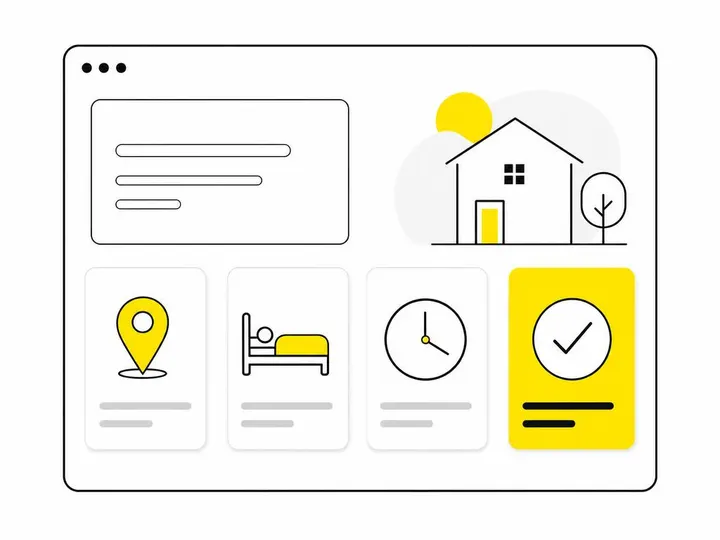
Your landing page should load quickly on mobile, include a large, visible phone number or enquiry form, and answer the question the person clicked on. If they clicked "What does daily life look like here?", show them a photo or short video of your common areas, activities, and dining. If they clicked "Available beds," state your current availability clearly and next steps to apply.
Include your location, your catchment area, and a list of service types you offer (residential care, respite, day programs, or Support at Home). Make the difference between service types explicit. Many families are comparing residential care to in-home support and need to understand which path suits their situation. Your page should guide them to the right enquiry form or phone number for each option.
Add a response-time commitment: "We'll call you back within 2 hours" or "A care coordinator will email within 24 hours." For aged care enquiries, response time is a primary filter. If your competitor calls back the same day and you call back three days later, you lose the enquiry.
Distinguishing residential care from Support at Home
If your organisation offers both residential aged care and Support at Home (home care services), do not assume visitors understand the difference. Use clear headings and separate enquiry buttons for each service. Broader aged care marketing strategies often mix these together, creating confusion and lost enquiries.
Link to the official Department of Health and Aged Care information or AIHW data about Support at Home program availability and eligibility. This builds credibility and helps families understand their options.
Response time and next steps matter more than you think
A family comparing three providers will ring or submit a form to all three. The first provider to call back and book a tour often wins. Assign someone to monitor your contact form and phone line during business hours. If you offer weekend tours or after-hours calls, advertise it; many adult children work during business hours and appreciate the flexibility.
AI-Assisted Ads and Compliance in Aged Care
What Meta's AI tools can and cannot do for you
Meta Advantage+ and other automated tools use AI to generate ad copy variations, adjust targeting, and test image combinations. These tools can save time and improve performance on straightforward products. For aged care, they carry a compliance risk: automatically generated headlines or descriptions might make unsupported claims about care quality, medical outcomes, or availability.
Use Meta's AI tools to create variations on ad copy you have already approved, test image combinations, or optimise bid strategy. Do not use AI to generate the core message or first draft of aged care advertising copy without human review. Every headline, description, and image should be checked by a staff member before it goes live.
The approval workflow aged care providers need in 2027
Set up a simple approval workflow: Create your ad in Meta Ads Management, mark it as "Draft" or use a shared document. Have a second staff member (marketing, management, or compliance) review the copy for accuracy before submission. Check that fees are correct, that care descriptions are factually supported, and that the ad does not imply a health outcome or medical result.
If Meta flags an ad for policy violation, do not resubmit the same copy with minor wording changes. Read the reason for rejection, ask yourself whether the copy is making an unsupported claim, and rewrite it to focus on features and practical benefits rather than promises about outcomes.

Measuring What Actually Matters
Lead quality over lead volume
Getting better-quality leads from Facebook is more important than getting more leads. A campaign that generates 20 qualified enquiries at $50 each is more valuable than a campaign that generates 100 click-throughs at $5 each but only 5 real enquiries.
Track your cost per enquiry (total ad spend divided by completed lead forms or phone calls), not just cost per click. Track your cost per tour booked and, if possible, your cost per admission or service commencement. These are the KPIs that matter to your business.
The KPIs worth tracking for aged care campaigns
Set up conversion tracking in Meta Ads Manager so that form submissions, phone calls from ads, and website sign-ups are recorded. Use Google Analytics or your website platform to link Facebook visitors to pages viewed (such as "Residential Care" vs "Support at Home") and time on page.
Create a simple tracking sheet in a spreadsheet: for each enquiry, record the source (which Facebook campaign), the date, the service type, whether a tour was booked, and whether it converted to an admission or service commencement. After 30 to 60 days, compare campaigns by cost per conversion, not cost per click.
If a campaign is driving low-quality enquiries (people who do not book a tour or are not eligible for your service), pause it and test different creative, messaging, or audience. If a campaign is driving qualified enquiries, scale the budget. This data-driven approach beats intuition and industry benchmarks for your specific service and catchment.
Conclusion
Facebook ads for aged care work when they answer a family's practical questions, reach the right geographic area without overstepping into sensitive targeting, and move a prospect through a clear three-stage funnel from awareness to qualified enquiry. Families comparing care options use Facebook to research before they call; your ads should provide useful, honest information that builds trust and addresses the specific questions they are asking.
Build your creative around one question per ad. Use retargeting to warm prospects before asking for contact information. Make your landing page fast, mobile-friendly, and clear about what you offer and how quickly you will respond. Review every ad for accuracy before it goes live, especially if you use AI-assisted tools. And track lead quality, not just lead volume, so you know which campaigns are worth scaling and which should be paused or redesigned.
If you need help structuring a Facebook ad funnel or reviewing your current campaigns for compliance and performance, our team can audit your setup and test new creative angles specific to your service types and catchment.