Aged Care Marketing: How Providers Reach Families and Fill Vacancies

On this page 8 sections
Key takeaways
- Write for adult children, not just the prospective resident
- Keep vacancy pages dated and accurate, never stale
- Use official quality indicator data as proof, not vague claims
- Google Search captures high-intent families; Facebook builds awareness earlier
- Staff quality and care continuity are genuine marketing differentiators
Aged care marketing works best when it speaks to the adult child doing the research, answers their hard questions in plain English, and makes it easy to book a tour when they're ready. Most providers still write for the prospective resident and hide fees behind a "contact us" button. That costs them enquiries.
Why is aged care marketing different from most industries?
Aged care marketing is different because the person searching is rarely the person moving in, and they're usually making the decision under pressure. That changes the tone, the content and the channels you use. If you want the search side handled properly, SEO for aged care providers starts with understanding this audience.
The real decision-maker is often an adult child under stress
Your primary marketing audience is the son or daughter juggling work, kids and a parent who has just had a fall or a dementia diagnosis. They're comparing options late at night, often with a hospital discharge date looming. They want clear answers, not brochure language.
2.43 million Australians already caring for an ageing parent
A Vera and YouGov survey (September 2026) estimated that 2.43 million Australians aged 35 to 70 care for an ageing parent at least weekly. That's a huge, stretched audience, and the 2026 Intergenerational Report projects 1.82 million Australians may need home care by 2044.
The compliance and trust tightrope
You're marketing a regulated service to vulnerable people. Overpromising on care outcomes or glossing over costs damages trust quickly, and families notice.
How families actually search for aged care online
Families move from broad, anxious research to specific, local searches, so your content needs to meet them at each step.
The research-to-admission journey in stages
Awareness: "Mum isn't coping at home." Learning what help exists.
Eligibility: Getting assessed through My Aged Care and understanding Support at Home or residential care.
Comparison: Shortlisting providers by location, fees, quality and vacancies.
Action: Calling, touring and applying.
High intent search vs early awareness social content
Google Search catches families already looking for a place. Social content reaches them earlier, before they know your name. Both matter, but they do different jobs.
What families type into Google at each stage
Early searches look like "signs elderly parent needs care" or "how does Support at Home work". Later ones get specific: "aged care vacancies Parramatta", "dementia care near me", "respite care cost Sydney".
What website content do families most need when researching aged care?
Families most need clear explanations of care types, fees, eligibility, current vacancies and what daily life looks like, all before they pick up the phone. Good aged care website design puts these answers one click from the homepage.
Plain-English pages for residential care, home care, fees and eligibility
Give each service its own page. Explain fees in everyday language with worked examples, and point families to My Aged Care for assessment. With the Government's Quarterly Financial Snapshot of the aged care sector putting provider finances under regular scrutiny, vague pricing looks evasive.
A dedicated and current vacancy page
A good vacancy page is accurate first and persuasive second. Structure it like this:
The date it was last updated, displayed prominently
Location and care type (permanent, respite, memory support)
Room details: single or shared, ensuite, outlook
A clear next step: book a tour or confirm availability
If rooms change too quickly to list, say so and invite families to call to confirm. A stale "2 rooms available" from three months ago does more harm than no listing at all.
Respite, dementia support, meals, visiting and what moving in actually looks like
Cover the practical worries: visiting hours, whether Dad can bring his chair, sample menus, how dementia care works day to day, and what happens in the first week. These pages build confidence quietly.
How can providers use quality data ethically in their marketing?
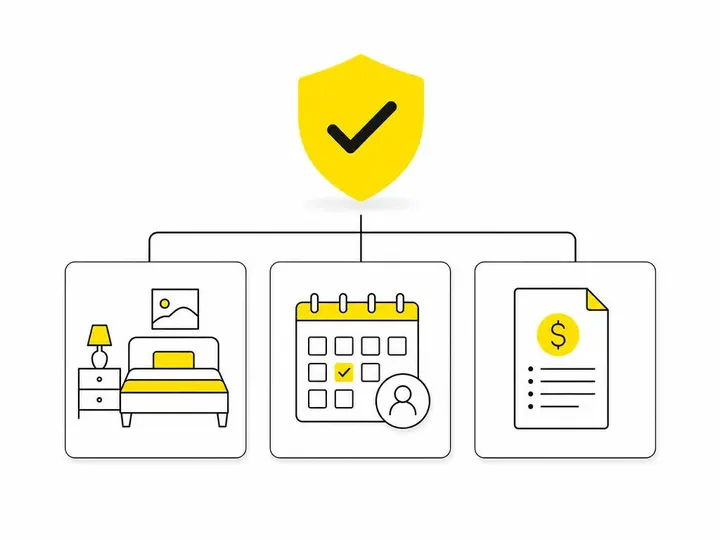
Providers can use quality data ethically by presenting current, official figures in context and linking to the source so families can check them.
Residential Aged Care Quality Indicators: what they are and how to use them
The Residential Aged Care Quality Indicators data from Gen Aged Care Data covered 2,564 homes for April to June 2026. Indicators include pressure injuries, falls, medication management and unplanned weight loss. Explain what each one measures, show your results with the reporting period, and say what you're doing where you need to improve.
Accreditation, complaints pathways and resident feedback
Publish your accreditation status, explain how families can raise a concern (including external options), and share genuine resident and family feedback with permission.
What to avoid: cherry-picking metrics and vague superlatives
Don't showcase your one strong indicator and hide the rest. Skip "world class care" and "Sydney's best". Families read that as marketing, and it erodes trust.
SEO for aged care providers: getting found at the right moment
Aged care SEO works by ranking your site for suburb-level and stage-specific searches families make when they're ready to act.
Local SEO and Google Maps for suburb-level searches
Most families want care close to home. Strong local SEO and a well-maintained Google Business Profile put you in the map results. A steady Google Business Profile content plan with photos, updates and answered questions keeps your listing active.
Content topics that match each stage of the family journey
Write explainers for early research ("respite care vs permanent care"), comparison guides for mid stage, and location and vacancy pages for families ready to book.
Why a well-structured aged care website earns better rankings
Separate pages per service and location, fast loading on mobile, and clear headings help Google understand exactly what you offer and where.
Which digital channels suit which stage of the family journey?
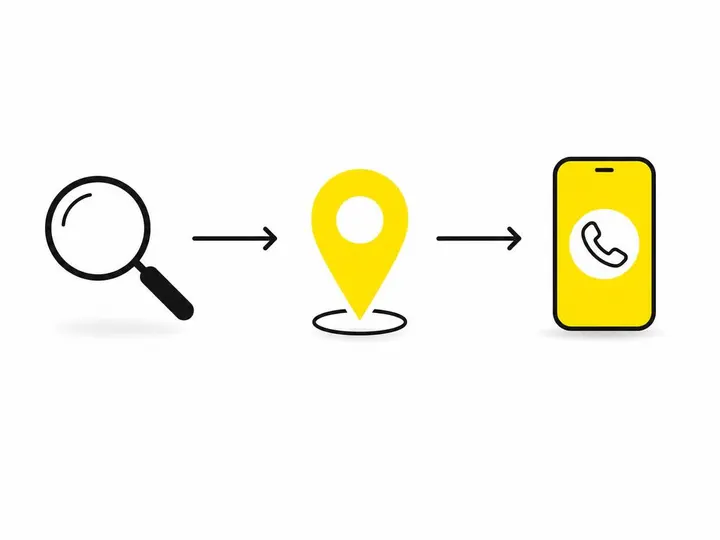
Social media suits early awareness, while Google Search and Google Ads suit families who are actively looking for care now.
Facebook and Instagram for community trust-building
Meta platforms let you reach local adult children before they search. Share virtual tours, short explainers, community events and everyday moments (with consent).
Google Ads for families ready to act
Target searches like "aged care vacancy [suburb]" and send clicks straight to your vacancy or tour page, not the homepage.
Staff stories and workforce capability as differentiation content
With the 2026 Intergenerational Report projecting a need for at least 400,000 more aged care workers by 2050, staffing is front of mind for families. Show staff tenure, training, nurse coverage and continuity of carers. Real profiles of your team are credible because families can meet those people on a tour.
Turning enquiries into tours and admissions
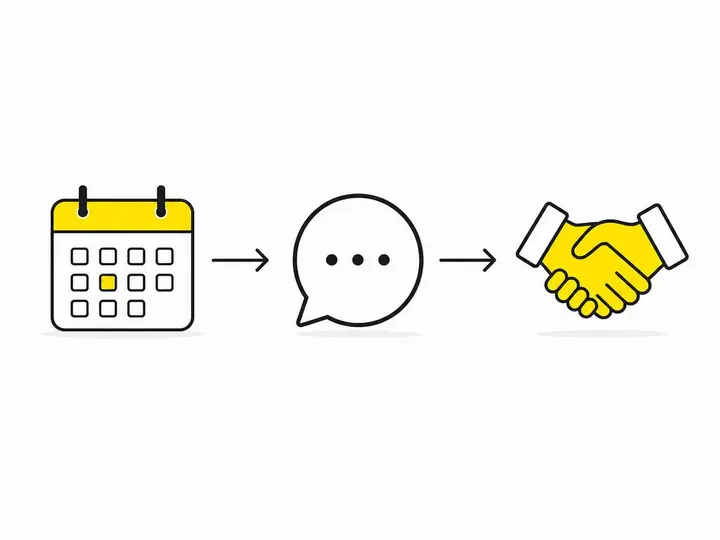
Enquiries turn into admissions when you respond fast, follow up respectfully and track which sources actually lead to residents moving in.
Booking systems and response speed
Offer online tour booking and reply to enquiries the same day. A stressed family will call the next provider if you don't.
Following up without being pushy
Many families aren't ready for weeks or months. Nurturing leads who are not ready to act yet means helpful check-ins and useful information, not sales pressure. After admission, families are often happy to review you, and using Google reviews to generate enquiries compounds over time.
Tracking what actually drives admissions
Record the source of every enquiry and follow it through to admission. Cost per enquiry matters less than cost per resident.
Conclusion
Effective aged care marketing speaks to the adult child doing the research, answers their questions plainly, and backs claims with official quality data rather than superlatives. Use social media to build familiarity early, then search and local SEO to be found when the need becomes urgent.
Start this week by checking your vacancy page. If it lacks a recent update date, a clear care type and an easy way to book a tour, fix that first.