Which Marketing Channel Is Best for Small Business Australia (2027 Guide)

On this page 8 sections
Key takeaways
- Match the channel to buying intent, not to what is most popular
- Google Search suits urgent, specific problems; social media suits discovery and impulse buys
- Email and CRM ranked highest for ROI in a 2026 Australian marketer survey
- Social commerce is strongest for younger Australians and low-consideration purchases
- Define the enquiry action first, then choose the channel that can track and deliver it
Most Australian small business owners choose their marketing channel by copying what competitors do or by following the loudest online voices about what's "hot" right now. That's almost never the right move. The channel that works best for your business depends on how your actual customers search, discover and buy, not on platform popularity or what your mate down the street is doing.
Why Channel Popularity Is the Wrong Place to Start
The temptation to pick a marketing channel based on reach or user numbers is understandable but costly. A channel can have 10 million Australian users and still be the wrong investment for your business if those users aren't the people ready to buy what you sell.
The difference between reach, enquiries and return on investment
Reach means how many people see your ad or listing. Enquiries means how many of those people actually contact you, ask a question or express interest. Return on investment means how many of those enquiries turn into paying customers and whether the profit justifies the spend. These three things are completely different.
A channel might reach 500,000 people but generate only 2 genuine enquiries. Another might reach 15,000 and generate 8. The second one is almost always better for a small business, yet most owners fixate on the reach number and ignore the enquiry and profit picture entirely.
What 97% of Australian businesses have in common
According to the ABS Counts of Australian Businesses, August 2026, there are about 2.8 million actively trading businesses in Australia, and roughly 2.7 million of those (97%) have fewer than 20 employees. That's you, and it means you don't have the budget to test every channel or run a six-month experiment to see what sticks. You need a framework that points you toward the channels most likely to work in your specific situation, and then you need to measure results honestly.
Step 1 — Define the Enquiry Action You Actually Want
Before you spend a dollar on any channel, you must know exactly what action you want customers to take, and you must set up the tracking to prove it's happening.
Phone calls, quote requests, bookings or walk-ins
Different businesses thrive on different enquiry types. A tradie wants urgent phone calls. A hair salon wants bookings. A retail shop wants foot traffic or online orders. An accountant wants email enquiries. An online store wants cart completions. Your channel strategy fails if you're optimising for the wrong action or if you can't tell which channel is driving it.
This is where most small businesses leak money. You run a Google Ads campaign and a Facebook campaign simultaneously but don't know which one is generating phone calls. So you can't tell if you're wasting $300 a week on Facebook or if it's your best performer. Tracking where your leads actually come from using call tracking, form submissions, UTM parameters and a simple dashboard is not optional. It's the foundation.
Why your website and tracking setup matter before you spend a dollar
Your website is the junction point for almost every marketing channel. Google Ads, social media, email links and SEO all point back to it. If your website doesn't have proper form tracking, conversion pixels, UTM parameters or call tracking set up, you're flying blind.
You don't need a fancy setup. A simple marketing dashboard tracking phone calls, form fills, bookings or purchases per channel is enough. But it has to be in place before you commit budget. Otherwise, you'll make your next channel decision based on a guess rather than data.
Step 2 — Match the Channel to How Your Customer Buys
Once you know what enquiry action matters, match it to the channel where your customers are already looking or the state of mind they're in when they're most likely to buy.
High intent and urgency: Google Search and Google Business Profile
When someone types "plumber near me" or "emergency electrician" or "best accountant for small business" into Google, they have a specific problem and urgency to solve it. They're not browsing. They're not scrolling for entertainment. They're ready to buy today.
Google Search Ads and optimising your Google listing are the two fastest channels for urgent, high-intent enquiries. If your customer has an immediate need and is searching for a solution, these should be your first investment. Google also expanded AI Mode in October 2026, which means search results now include AI-assisted answers alongside traditional links, making accurate business information and strong landing pages even more critical.
The trade-off is cost and consistency. Google Search and Google Ads can be expensive, especially in competitive categories. You also need strong conversion tracking and ongoing campaign management to avoid wasting budget on irrelevant searches or poor-quality clicks.
Discovery and impulse: paid and organic social media
Social media works best when the product or service is visual, low-commitment or impulse-driven, or when your customer is browsing rather than searching. Finder's 2026 Shopping Report on Australian consumer behaviour found that 32% of Australians have bought a product or booked a service directly through social media, including Instagram Shopping, TikTok Shop or a Facebook ad. However, the age breakdown matters: 54% of Gen Z have done this, but only 9% of Baby Boomers.
Social media is also where comparing Google Ads and Meta Ads becomes important. If your customer is visually engaged and discovery-focused, Meta Ads can work. But if they're older or buying a high-consideration service, Meta might not be your first channel.
Long-term compounding visibility: SEO and content
SEO for small business doesn't deliver fast results, but it compounds. A blog post or optimised service page that ranks in Google takes months to build momentum but can generate enquiries for years with minimal ongoing cost. Content marketing and organic search ranked 27% of priorities in the 2026 Dotdigital Australian Marketer Survey, reflecting their consistent importance despite the noise around AI and social platforms.
The trade-off is patience. You won't see ROI for three to six months, and you need consistent effort. But for small businesses that can't afford high Google Ads spend month after month, SEO is often the only sustainable path to profitability.
Repeat business and follow-up: email and CRM
Email and customer relationship management ranked highest for return on investment in the 2026 Dotdigital survey, with 22% of marketers reporting email/CRM as their top-performing channel. Turning enquiries into customers with email and follow-up is the cheapest way to generate revenue from people who already know you.
Most Australian small businesses don't capture customer email addresses or follow up systematically. That's leaving money on the table. If someone enquires but doesn't buy, a single follow-up email increases the chance of a sale by 30 to 50 percent.
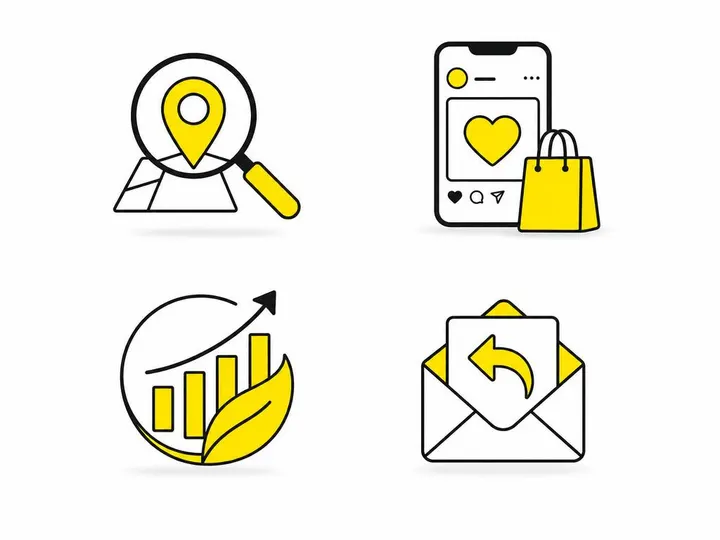
A Quick Channel Comparison for Australian Small Businesses
Speed to results versus long-term payoff
Google Search and Google Business Profile deliver results in days or weeks. Social media can as well if your audience is right. SEO and content take months but compound. Email works only if you already have an audience to contact. Your first channel choice depends on whether you need urgent cash flow or can build for the long term.
Cost and control trade-offs across channels
Google Ads and Meta Ads are "pay to play." Stop spending, stop getting clicks. SEO is front-loaded effort with lower ongoing cost. Email is nearly free once you have subscribers. Your budget and patience determine which makes sense.
What the 2026 Research Actually Says
The most recent Australian data cuts through a lot of the hype.
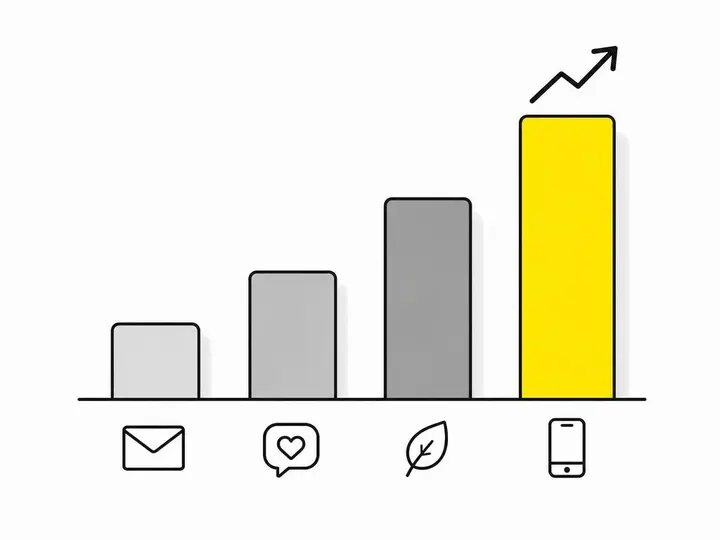
Email and CRM leads on reported ROI (22%), followed by paid social (16%) and organic or content marketing (15%). This does not mean email is right for every business; it means businesses with customer databases are getting the best returns. For businesses with no existing customer list, paid social or Google Search might be the only option to start.
Social commerce is real but age-dependent. A Gen Z fashion retailer should absolutely test Facebook and Instagram ads. A legal services firm selling to retirees would waste money there.
Platform automation is not set and forget. Google and Meta both changed their systems significantly in October 2026, adding AI-assisted placements, automatic review summaries, and automated product browsing. These tools can improve efficiency but require regular review. Check your Google Ads AI Mode results, Meta placements, search terms, landing pages and conversion tracking at least weekly. Automation without oversight is how budgets get wasted.
How to Choose When You Have a Limited Budget
The one-channel rule for businesses starting out
If you have less than $500 to $1,000 per month to spend on marketing, pick one channel and master it before adding a second. The reasons are practical: you'll see clearer results, you'll learn faster, and you'll spend less on platform learning curve.
Setting a realistic marketing budget forces this choice naturally. Most small business owners underestimate how much consistent marketing costs, so starting narrow and building from proof makes sense.
When to add a second channel
Add a second channel only when the first one is reliably profitable and you have spare budget. This usually means the channel is generating at least one customer per week at a cost lower than your profit margin. Only then should you test a second channel.
Putting It Together: A Simple Decision Framework
Decision questions to ask before you commit
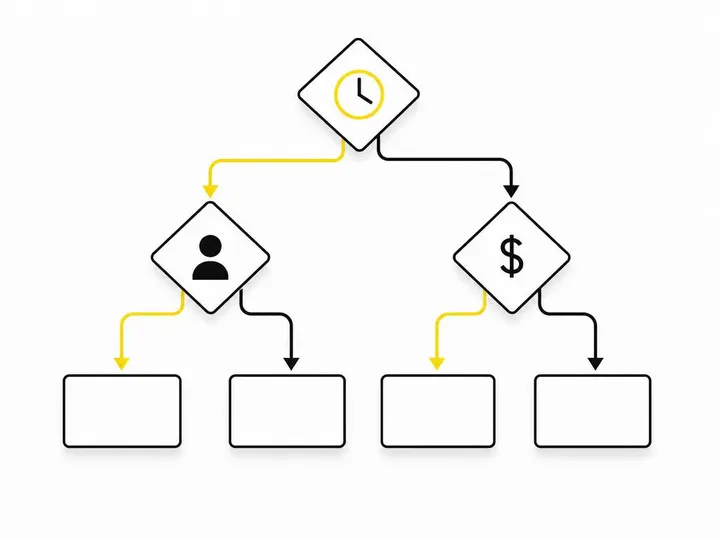
Are your customers actively searching for a solution right now (urgent intent)? If yes, start with Google Search or Google Business Profile.
Are they browsing and discovering products or services (low intent, high discovery)? If yes, test social media.
Do you have an existing customer list to email or a CRM system in place? If yes, nurture that audience first before spending on new customer acquisition.
Can you afford to wait three to six months for results? If yes, invest in SEO and content. If no, pick a paid channel.
Do you have the capacity to test and measure one channel consistently for eight to twelve weeks? If no, hire help or delay marketing spend.
Red flags that a channel is not working
If you're running a channel for four to eight weeks and seeing zero enquiries or enquiries that never convert, stop and switch. A channel doesn't need to be perfect to stay with it; it needs to be generating at least some qualified leads at a cost you can afford. No leads means you're either targeting the wrong audience, the channel doesn't suit your business, or your landing page or offer is the problem. Fix one of these before you spend another dollar.
Conclusion
The best marketing channel for your Australian small business is not the one everyone's talking about. It's the one your customers are actually using when they're ready to buy, combined with a clear definition of what "buy" means for your business and honest tracking to prove it's working.
Start with the enquiry action that matters to you. Set up tracking before you spend money. Match the channel to customer behaviour and buying intent. Pick one and measure it properly. Only then should you add a second channel or adjust your strategy. This approach works across industries, business sizes and budget levels because it's built on how real customers actually behave, not on which platform is trending or which approach your competitor chose.
The 2026 data is clear: email and existing customer relationships deliver the strongest ROI, but that only works if you already have those customers. For new customer acquisition, the best channel depends entirely on your situation, so use this framework to match your budget and timeline to the channel most likely to deliver the enquiries you can convert into sales.