How to Track Which Marketing Channel Generates the Most Tradie Jobs
Key takeaways
- Assign a separate tracked number to each marketing channel
- Log every call, form and DM with its source before it goes cold
- Compare booked jobs, not just enquiry volume, per channel
- Most tradies waste budget on untracked channels they assume work
- A simple spreadsheet beats no system every time
Most tradies have no idea which marketing channel actually brings in their paying jobs. They know calls come in, Facebook ads run, Google shows their name somewhere, but when you ask "where did this job come from?" the answer is usually a shrug. That gap costs you thousands every month, because you're probably spending on channels that don't work while starving the ones that do.
Why Most Tradies Have No Idea Where Their Jobs Come From
The problem isn't laziness. It's that lead tracking feels like a spreadsheet nightmare, and nobody taught you how to do it simply. A customer rings, you're busy, you answer, write down the job details, send a quote, and move on. By the time they book, you've forgotten whether they came from Google, a mate's recommendation, or that Facebook ad campaign from last month. Then you pay for another campaign, get more leads, and still can't tell if it's working.
The 'it all just comes in' problem
Tradies often think of lead sources as one blurry mass. You've got a website, you run some ads, you get referrals, you have a sign on your van. Jobs come in most days. It feels like it's working, so you keep spending. But "feels like" isn't a budget strategy. If you're spending $500 a month on Facebook ads and $0 on Google Business Profile optimisation, but 60% of your jobs come from Google and only 10% from Facebook, you're throwing money away. The only way to know is to track.
What lead leakage actually costs you
Lead leakage is when you can't connect a phone call, web form, or message back to the channel that sent it. Research from HubSpot shows 70% of small businesses don't properly track which marketing channel generates leads. For tradies, that leakage means budget decisions based on gut feeling instead of data. You might double down on an ad platform that's only bringing 20% of your paid work, while ignoring organic Google Search, where you're pulling 40% of jobs without spending a cent. Over a year, poor tracking can cost you thousands in wasted ad spend and missed opportunities to fund what actually works.
Step 1 — List Every Channel That Could Be Sending You Work
Before you can track, you need to name every possible source of work. Most tradies have more channels active than they realise.
Online channels: Google, Meta Ads, your website, directories
Google Search and Google Business Profile (local search, "plumber near me" type queries)
Google Ads (paid search)
Facebook and Instagram ads (Meta Ads)
Your website (organic traffic, direct visitors, enquiry form submissions)
Third-party directories (Hipages, ServiceSeeking, local directories)
Email newsletters (if you send them)
TikTok or YouTube (if you post there)
Offline channels: referrals, signage, word of mouth, repeat customers
Direct referrals from past clients
Referrals from other trades or businesses
Vehicle signage and van branding
Local newspaper or print ads
Repeat customers (previous jobs)
Direct phone calls (people who already know you)
Write all of these down. You'll use this list to tag every enquiry that comes in.
Step 2 — Give Each Channel a Trackable Identity
A trackable identity means each channel has its own unique marker, so when a lead arrives, you can tell exactly where it came from. There are several methods, and you'll use more than one depending on the channel.
Call tracking numbers: how they work and what they cost
A call tracking number is a dedicated phone number assigned to one specific marketing channel. When someone calls that number, it rings to your main phone, but the system records which ad, platform, or campaign it came from. For example, your Google Ads might display one number, your Facebook ads a different number, and your website a third. The caller hears one message, calls one number, but you see the source immediately.
Australian providers like Delacon call tracking specialise in this. Costs typically run $10 to $30 per month per number. For a solo tradie or small team, having 3 to 5 tracking numbers (one for Google Ads, one for Meta, one for your website, one for local directories) is realistic and affordable.
UTM parameters for links in ads and social posts
UTM parameters are tiny tags you add to links in your ads and social media posts. They tell Google Analytics where a click came from. When someone clicks your Facebook ad and lands on your website contact form, the UTM parameter says "this came from Facebook campaign X." You use Google's Campaign URL Builder for UTM parameters to create these. It's free and takes 30 seconds per link. For example: yoursite.com/?utm_source=facebook&utm_medium=ads&utm_campaign=bathroom_renos_oct2026. When someone fills out your form after clicking that link, you can see it came from that exact campaign.
Source fields on your website enquiry form
Add a dropdown field to your contact form that asks "How did you hear about us?" Options include Google, Facebook, referral, directory, direct phone, other. When someone submits the form, you have their answer recorded. It's not foolproof (people forget), but it's quick and free.
Step 3 — Log Every Enquiry the Moment It Lands
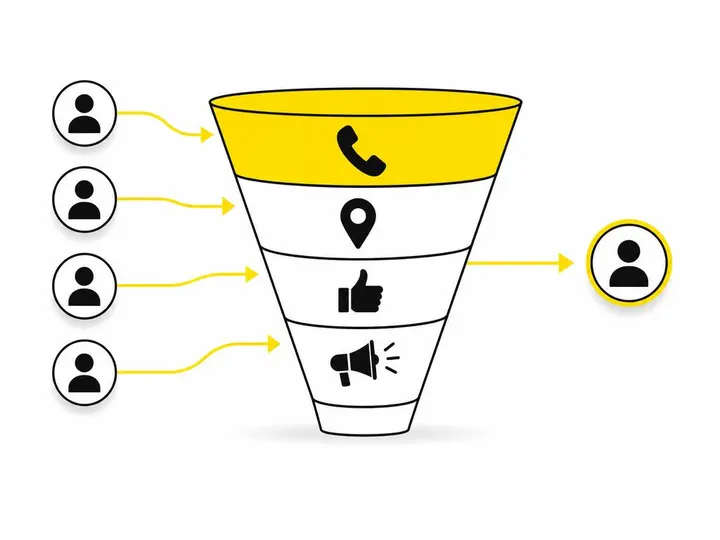
Tracking only works if you actually record data the moment a lead arrives. This is where most tradies fail, because they're too busy working.
The five-minute rule: why speed matters for attribution
If you wait until the end of the week to write down leads, you'll forget where half of them came from. The rule is simple: log the source within five minutes of the enquiry. Customer calls? Write down their name, phone, job type, and source immediately. Form submission? Save it. Message on Facebook? Screenshot the date and note the channel. Five minutes. Not an hour later when you're back in the truck. This habit is the difference between usable data and guesswork.
Simple spreadsheet vs CRM: which suits a solo tradie
You can use either. A spreadsheet (Google Sheets or Excel) with columns for Date, Enquiry Source, Customer Name, Job Type, Booked Yes/No, and Amount Won is enough. A CRM (customer relationship management system) like HubSpot Free or Pipedrive adds automation and reporting, but takes longer to set up. For a solo tradie or team under five people, a spreadsheet is honest and fast. As you grow, a CRM makes sense. Start with the spreadsheet. You can move data to a CRM later.
Step 4 — Connect Enquiries to Booked and Paid Jobs
An enquiry is not a job. Tracking how many calls you get from Facebook ads is only half the story. You need to know how many of those calls turn into booked work and paid invoices.
Why counting calls isn't enough
Say Facebook ads bring you 20 calls a month. Google organic search brings 10 calls a month. On the surface, Facebook looks three times better. But if only 2 of those 20 Facebook calls turn into jobs (10% conversion), while 8 of those 10 Google calls turn into jobs (80% conversion), Google is doing the heavy lifting. You're counting traffic, not results. That's lead leakage. Add a column to your spreadsheet: "Booked?" and mark yes or no when the customer actually commits to a job.
Calculating cost per booked job by channel
Now the real number: cost per booked job. This is the acid test. If you spent $400 on Google Ads last month and booked 8 jobs from Google, your cost per booked job from Google is $50. If you spent $500 on Facebook and booked only 3 jobs, your cost per booked job from Facebook is $167. Suddenly Facebook looks expensive, even though it was sending more traffic. This is why comparing Google and Meta Ads costs isn't just about which platform is cheaper, but which one converts for you.

Step 5 — Review Monthly and Cut What Isn't Earning
Tracking data is worthless if you don't act on it. Set a monthly review time, say the last Friday of each month, and look at your numbers.
What a simple monthly review looks like
Open your spreadsheet. Count enquiries by source. Count booked jobs by source. Calculate cost per booked job for each paid channel. Write down the top three sources. Write down the worst performer. Ask: "Did this channel earn its keep this month? Did it cover its cost and bring profit?" That's it. Five minutes of thinking. Twenty minutes of data entry across the month if you've been logging properly.
When to shift budget between channels
If a channel's cost per booked job is higher than your job profit margin, kill it or cut it. If a source is consistently bringing booked work at low cost, spend more on it. If Google Ads cost you $80 per booked job and you make $400 profit per job, that's working. If Facebook costs $200 per booked job, shift that $500 a month from Facebook to Google. Test this quarterly. The tradie market changes, seasons change, and what worked in winter might not work in summer. Also track your local lead generation for tradies as a whole to ensure you're not relying on one source too heavily.
Common Mistakes Tradies Make With Lead Tracking
Even when tradies try to track, they often get it wrong. Here are the most common traps.
Relying on memory instead of a log
You ask a customer "How did you find us?" and they say "Google," and you trust that. But they might be remembering your van, or a mate's recommendation. Real tracking uses dedicated phone numbers, UTM parameters, and form fields. Memory is data gone wrong.
Tracking clicks instead of jobs
Some tradies measure success by the number of leads or clicks they get from an ad platform. Clicks are cheap. Jobs are what matter. Track to the booked job, not the click.
Ignoring referral and repeat sources
Referrals and repeat customers often go untracked because they don't come through an ad platform. But they're usually your cheapest and most profitable source. Create a tracking category for referrals and repeat work. Ask every customer who books: "How did you hear about us?" When you log the source and see referrals are 40% of your work, you know where to invest in keeping customers happy. That's where how to qualify leads as a tradie matters too, because high-quality referrals convert faster and have higher margins.
Tools That Make This Easier Without the Complexity
You don't need fancy software. But a few affordable tools make tracking simpler.
Free and low-cost options for Australian small businesses
Google Analytics 4 (free): Google Analytics 4 tracks website visitors and shows where traffic came from. Use UTM parameters in your ads to see which campaigns drive traffic.
Google Sheets or Excel (free or cheap): A simple spreadsheet with dates, sources, and booked yes/no is all you need to start.
Call tracking (AUD $10 to $30/month per number): Delacon is Australian-based and popular with tradies.
HubSpot Free CRM (free): If you're ready for a CRM, HubSpot's free tier includes lead tracking and pipeline management.
Meta Ads Manager and Google Ads Dashboard (free, included with your ads): Both platforms show conversion data if you set up pixels and tracking properly.
When it's worth getting help to set it up
If you're spending more than $1,000 a month on ads and have no tracking system, hiring a digital marketer or agency for a half-day setup session costs $300 to $600 and pays for itself in one month. They'll set up UTM parameters, call tracking numbers, Google Analytics, and a simple logging system. After that, you maintain it yourself. If you're serious about growing, this is worth the investment.
Conclusion
Tracking where your jobs come from is not optional if you want to scale. It's the difference between throwing money at ads and knowing which ads actually work. Start small: list your channels, pick one or two tracking methods (call tracking for phone leads, UTM parameters for web leads), and log every enquiry for one month. Then look at the numbers. You'll see patterns you didn't know were there. Some channels will surprise you (usually in a good way), and some will show you're wasting money. That's the point. Once you see it, you can fix it.
The good news is that tracking doesn't require expensive software or technical skills. A spreadsheet, a call tracking service at $20 a month, and discipline about logging in the moment a lead lands is enough. Monthly reviews take 20 minutes. Over a year, that discipline will save you thousands in wasted ad spend and direct you toward the channels that actually book jobs. That's better than guessing.
Start this week. Pick your three biggest marketing channels. Assign each one a way to track it. Log one week of leads. You'll know more after seven days than most tradies know after seven years.