Travel Facebook Ads: How to Sell Experiences Before Peak Season
On this page 8 sections
Key takeaways
- Launch awareness campaigns 6 to 8 weeks before peak season, not at the start of it
- Sell the experience outcome (wildlife, food, relaxation) not just the destination name
- Separate domestic and international ad sets with tailored creative and landing pages
- Retarget video viewers, website visitors and abandoned booking sessions with the next logical message
- Track completed bookings and enquiries, not just cheap engagement events
Peak season for tourism is not won in December, it's won in September and October when you're running ads that build demand before competition erupts and inventory runs dry. Tourism operators who wait until November to launch campaigns lose revenue to businesses that spent August and September pre-selling experiences, managing audience expectations and capturing early bookers when conversion rates are highest and cost per booking is lowest.
Why Tourism Operators Lose Revenue by Waiting Too Long
The late-campaign problem
By the time peak season arrives, two things have already happened: your best accommodation dates are booked, and your best-qualified customers have already decided where they're going. Late campaigns fight for leftovers and price-conscious last-minute bookers who shop aggressively and generate lower margins.
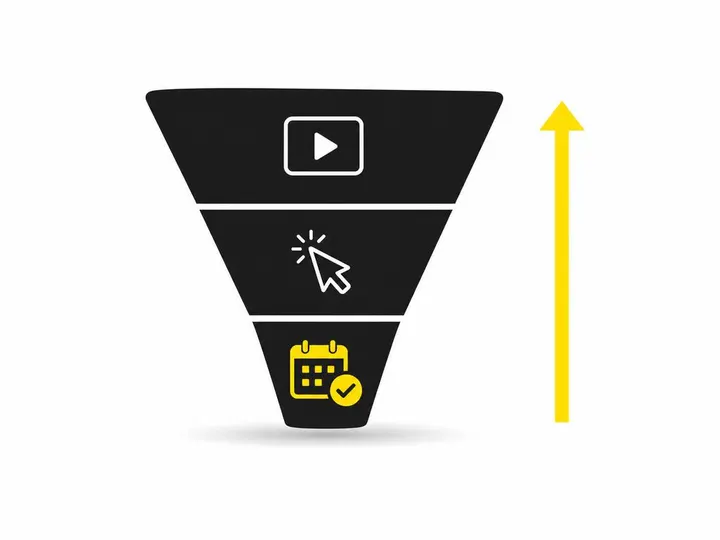
Early campaigns build a queue of interest before scarcity sets in. They let you capture warm audiences people who watched your video, engaged with your social content, or visited your availability page and show them the right experience at the right price before they commit elsewhere. This is why how to build a Meta ads funnel matters more than raw ad spend: a three-stage funnel captures people progressively, moving them from awareness to consideration to conversion, rather than trying to close a sale on first contact.
What the 2026 visitor data tells us about timing
The ABS Overseas Arrivals and Departures, September 2026 showed 703,480 short-term visitor arrivals, up 1.0% year on year. That's modest growth, which means competition for those visitors is intense. Domestic overnight trips hit 27.1 million in the June quarter, generating $25.7 billion in expenditure. The operators capturing that spend are not waiting until November to run ads they're running awareness campaigns in August and September, retargeting engaged audiences in October, and converting bookings in early November before peak-season rates take hold.
Tourism Research Australia data shows NSW visitor spending reached $62.9 billion, up 12.8% year on year, but that money goes to the businesses that earn it early through sustained, strategic campaign work, not last-minute scrambles.
Build Demand in Three Stages, Not One
A single "book now" ad campaign performs like a single fishing line you might catch something, but most fish swim past. A three-stage campaign works like a net: it captures people at different points in their decision journey and moves them progressively toward a booking.
Stage 1: Awareness. Destination and experience content
Start 8 to 10 weeks before your peak period with video and carousel ads that show the experience, not just the destination. This is where you use Advantage+ campaigns in Meta Ads Manager, which lets Meta's algorithm find people interested in travel to your region, similar to your past converters, and people interested in the specific activity or outcome you're promoting (wildlife, food, relaxation, adventure, family time).
Your creative should answer the question: "What will I feel or experience?" Not "book a rainforest retreat in Far North Queensland" but "swim in waterfalls, spot cassowaries and fall asleep to cicadas" the actual outcome that matters to the person watching.
Stage 2: Consideration. Retarget engaged audiences with specific experiences
How retargeting works on Meta is straightforward: people who watched your video, engaged with your Instagram post, or visited your website become an audience you can reach again with a more specific message. If someone watched 50% of your rainforest video, retarget them with pricing, itinerary details, or customer testimonials information that moves them from "this looks nice" to "I want to book this."
Use building custom audiences in Meta to separate people by behaviour: website visitors, video viewers, Instagram engagers, and people who reached your booking or pricing page but didn't complete a purchase. Each group gets a different message because they're at a different stage of interest.
Stage 3: Conversion. Target people who visited booking or pricing pages
The warmest audience is people who visited your availability, pricing, or booking confirmation pages. Show them urgency-based creative: "Only 3 dates left in December" or "Early-bird discount closes Friday." This is where your running seasonal Meta campaigns pays off you've built confidence and consideration, now you're asking for the decision from people already close to saying yes.
Sell the Experience, Not Just the Destination
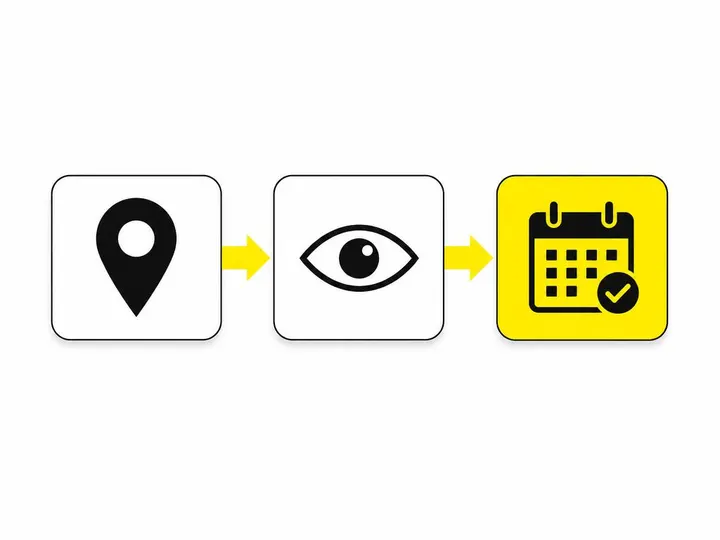
Generic destination ads underperform because they don't tell potential customers what they'll actually do or feel. Meta's algorithm and audiences respond to specific, outcome-based creative because it has emotional weight and clarity.
Instead of "Visit the Atherton Tablelands," test ads that say "Pick fresh tropical fruit and cook dinner with a local chef" or "Sleep under stars and watch sunrise over valleys." The first is a place. The second is an outcome, and outcomes drive bookings because they're what people actually remember and recommend.
Ad formats that work best for travel businesses on Meta include video (15 to 30 seconds showing the experience), carousel ads (each card a different activity or outcome), and collection ads (let people browse itineraries or room types without leaving Meta). What to film for Facebook video ads for travel is about movement, detail and emotion: people swimming, eating, laughing, exploring not static shots of landscapes. Use captions (many people watch without sound) and show price or availability overlays so people understand cost and when they can book.
Separate Domestic and International Campaigns
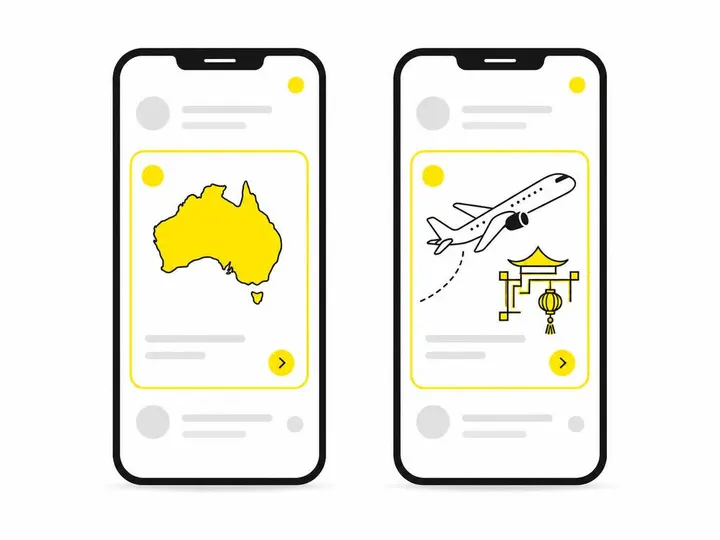
Australian domestic tourists and international visitors have different interests, budgets, booking lead times and decision triggers. Running one campaign for both wastes budget on mismatched creative and messaging.
Domestic audiences, particularly in NSW where visitor spending hit $62.9 billion, respond strongly to weekend escape and short-break messaging. They book on shorter notice, often for dates 2 to 8 weeks away. Use messaging around "escape the city," "school holidays sorted" or "long-weekend getaway." These audiences are price-sensitive and time-sensitive: they're making decisions in days, not months.
International audiences, particularly from Asia-Pacific, respond to experience differentiation and cultural immersion. ATIA November 2026 Travel Trends data shows Australian trips to Vietnam reached 595,260 in the year to September 2026, up 17.9%, meaning Vietnam has become a stronger growth market than the UK. This tells you that Asia-Pacific audiences are substantial and growing. Create separate ad sets and landing pages for key Asian markets: use market-specific language, adapt payment methods, and highlight what makes your destination unique versus what people might experience at home.
Build Retargeting Audiences That Actually Convert
Retargeting is only effective if you're retargeting the right people with the right message. The wrong approach is showing everyone who ever visited your site the same discount ad. The right approach is segmenting by behaviour and showing relevant next steps.
Who to retarget and what to show them: People who watched 75% of your destination video get an itinerary or customer testimonial. People who visited your pricing page get urgency messaging (limited dates). People who abandoned a booking form get a support message ("Questions? Chat with our team"). People who downloaded a brochure but didn't visit the booking page get a follow-up with specific dates and "book by Friday for confirmation."
Custom audiences for tourism should include website visitors segmented by page (homepage, itinerary, pricing, booking), video viewers segmented by watch percentage (25%, 50%, 75%+), Instagram engagers, and email subscribers. Build these in Meta Ads Manager by installing Meta Pixel on your website and using the Conversions API to send server-side data about customer actions (page visits, form submissions, booking progress). This creates precise audiences and helps Meta optimize for the actions that matter completed bookings, not just ad clicks.
Set Up Conversion Tracking Before You Scale
Conversion tracking in Meta Ads Manager is not optional it's the difference between campaigns that optimize toward cheap, low-value clicks and campaigns that optimize toward actual bookings and qualified enquiries.
Which Meta conversion events actually matter for travel: Completed booking (highest value), booking enquiry or form submission (qualified lead), brochure or itinerary download (mid-stage interest), and add-to-cart or initiate-checkout (booking in progress). Do not optimize campaigns toward page-view or link-click events those are cheap but worthless because they don't tell you whether people are actually interested in booking. Set your primary conversion event to "completed booking" and secondary events to qualified enquiry and form submission. Meta's algorithm will prioritize spending toward people most likely to complete those actions.
Meta Conversions API for small business is essential for travel businesses because it lets you send booking and enquiry data from your backend to Meta servers, not just browser-based pixel data. This improves tracking accuracy, especially if people book on mobile, switch devices between ad click and booking, or use privacy settings that block pixels. Set this up 2 to 3 weeks before peak season so Meta's machine-learning algorithm has time to learn which audiences convert best.
Account changes to check before peak season: Verify your Pixel is firing correctly (use the Meta Pixel Helper browser extension). Check that your conversion events are mapped to the right actions on your booking system. Confirm your audiences are building (custom audiences need at least 100 qualifying actions to be usable). Test a small campaign to a known audience to confirm events are tracking. These checks take 2 to 3 hours and prevent costly mistakes once you scale spend in November and December.
Turning Strong Regional Demand Into Short-Break Campaigns
NSW's $62.9 billion in visitor spending is partly driven by domestic short-break and day-trip demand, which converts faster and at higher frequency than long-haul holiday planning. This is an overlooked revenue opportunity for regional operators.
Weekend escape and day-trip campaigns should launch 4 to 6 weeks before target dates. Use messaging like "This weekend: swim, hike and eat. Plan now" or "Your next Sunday: rainforest walk and farm-to-table lunch." These campaigns work because the decision timeline is short people are planning their weekend on Wednesday night, not months ahead. Retarget people who visited a day-trip or weekend itinerary page with availability and booking urgency. Offer discount incentives for booking by mid-week (this spreads demand across the week and helps you manage staffing).
Urgency tactics that work without feeling pushy: "Only 2 spots left on this date," "Book by Thursday for Saturday availability," "Limited chef's menu dates book now," and "Early-bird discount closes Friday." These are factual and time-bound, not aggressive. They work because they're true, they're specific, and they create a real reason to decide now rather than later. Pair these with running Meta ads for your travel business that shows availability in real time when spots fill, retarget interested people with the next available date.
Conclusion
Revenue in peak season is built in shoulder season through early, strategic ad campaigns that build demand progressively. Tourism operators who launch destination awareness campaigns in August, retarget engaged audiences in September and October, and convert bookings in early November capture both early bookers and price-conscious last-minute customers the full market. Those who wait until November are competing for inventory scraps and customers already committed elsewhere.
The data supports this: domestic and international visitor growth is consistent but modest, which means every market share point requires discipline. Build your three-stage funnel now, segment your audiences by market and behaviour, and confirm your conversion tracking is accurate. Set separate domestic and international campaigns so your messaging matches your audience. The investment in setup pays off across the entire peak season and sets you up for repeat campaigns next year.
Start your planning now: audit your website for pixel installation, map your booking flow to Meta conversion events, and build your first awareness campaign for launch in August. The tourism operators winning in 2026 are not the ones with the biggest budgets they're the ones with the clearest targeting, the best experiences and the earliest start.