Facebook Ads for Emergency Tradies: How to Promote After-Hours Services in 2026
On this page 9 sections
Key takeaways
- Run ads between 6 PM and 2 AM when most after-hours calls happen
- Tight geo-targeting of 5 to 10 km lifts conversion rates significantly
- Lead-focused ad copy with a phone number outperforms generic brand awareness
- Use instant lead forms for speed, but pair them with immediate follow-up
- Track cost-per-lead separately for emergency vs standard jobs
Emergency tradies live on the edge of timing. A burst pipe at 10 PM, an electrical fault at midnight, a broken lock on a Sunday morning these are the calls that keep your phone ringing and your calendar full. Facebook Ads aren't just for brand awareness or slow customer acquisition. They're one of the sharpest tools you have to reach people in genuine crisis mode, when they're scrolling at night looking for help and ready to book right now. The difference between running a generic Facebook campaign and running one built for after-hours emergencies can be the difference between landing that 11 PM call-out and watching a competitor pick it up.
Why Facebook Ads Work for Emergency Tradie Jobs
Facebook Ads deliver emergency tradie leads because people in crisis are online looking for solutions at odd hours, and Facebook's targeting lets you reach them in their local area when they're most likely to book.
Google Search gets a lot of attention, and for good reason. But here's the reality: not everyone searches Google at 2 AM when their hot water tank fails. Many people open Facebook or Instagram instead, particularly younger homeowners and renters. They scroll, they ask their networks, and they look for local businesses that have good reviews and availability showing right now. Facebook's algorithm rewards pages with strong engagement and recent activity, which means if you're getting steady enquiries and maintaining an active presence, your ads will show to more people in your target area.
The second advantage is targeting precision. Facebook ads vs Google Ads for tradies comes down to intent vs behaviour. Google catches high-intent searchers. Facebook catches people browsing their neighbourhood, checking local business pages, and seeing your ad pop up at exactly the moment they need you. For after-hours emergency work, that behavioural targeting often outperforms keyword intent.
When Should Emergency Tradie Ads Run on Facebook?
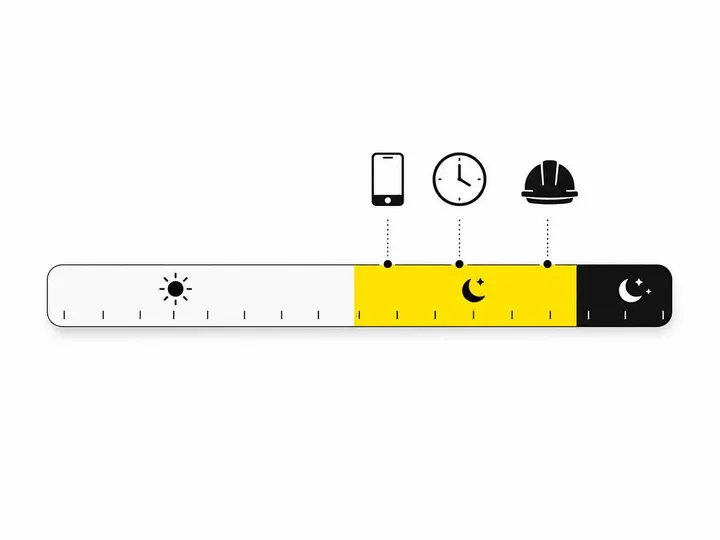
Emergency tradie ads should run primarily between 6 PM and 2 AM, with peak performance typically between 7 PM and 11 PM, because that's when most after-hours service calls originate and when your target audience is most active and receptive.
This is where ad scheduling and dayparting separate successful emergency campaigns from wasted spend. Dayparting means breaking your ad delivery into time windows based on when your phone actually rings. If you run ads all day to people who won't call you until evening, you're burning budget on inactive hours.
Most emergency tradies see 60 to 70 percent of their calls come between 6 PM and midnight. Some electricians and plumbers peak even later, around 10 PM to 2 AM. Rather than running ads 24/7, set your Meta Ads Manager to schedule ads only during your peak windows. This concentrates your budget where it converts and avoids wasting money on daytime slots when demand is lower.
Should you run ads outside peak hours at all? Yes, but sparingly. Weekends and public holidays often see different patterns. A burst pipe on Sunday morning might drive different search behaviour than Tuesday evening. Test a small daily budget on off-peak times (say $10 to $20 per day) to see if those windows actually convert for you. If they don't, cut them and reinvest in your proven peak hours.
Geo-Targeting: How Tight Should Your Radius Be?
Set your geo-targeting radius to 5 to 10 kilometres for emergency jobs, depending on your service area and travel capacity, because tighter targeting reduces wasted spend on people too far away and improves ad relevance scores.
Many tradies make the mistake of geo-targeting too wide. A plumber working within 15 kilometres of their base might set Facebook to target everyone within 20 or 25 kilometres, hoping to catch more leads. But leads from the outer suburbs often take longer to reach, cost more in fuel, and sometimes sit outside your true service area.
Meta Ads targeting for tradies also means layering suburb-level precision on top of your radius. If you're based in the Inner West of Sydney, target your 8 to 10 kilometre radius but explicitly exclude suburbs that fall outside your willingness to travel at night. Use Meta Ads Manager's location exclusion feature to cut postcodes you don't service. This keeps your lead quality high and your conversion costs down.
You can also test concentric rings: a 5 kilometre inner zone with a higher daily budget (because these are your best leads), and a 10 to 15 kilometre outer zone with a smaller budget reserved for overflow. Track which zones convert, and adjust spend accordingly.
Ad Copy That Drives Urgent Action Without the Hard Sell
Winning emergency tradie ad copy leads with availability and response time, keeps the tone calm and capable, and makes booking frictionless: avoid urgency language that feels pushy, and instead show people you can handle their problem now.
When someone sees an ad about a plumbing emergency at 10 PM, they're already stressed. Your headline shouldn't add pressure; it should offer relief. Instead of "EMERGENCY PLUMBER OPEN NOW, CALL IMMEDIATELY," try "24-Hour Emergency Plumber 2-Hour Response Guaranteed." The second one shows speed without shouting.
Your ad copy should answer three things fast:
Availability: "Open now" or "2-hour response" or "same-night call-out available."
Proof: Star rating, number of reviews, or "Licensed & Insured" (particularly important given NSW Fair Trading requirements for licensed trades).
Next step: "Call us now," "Click here to book," or "Message for availability."
Length matters. Keep headlines to under 30 characters if you can. Ad body copy should be 2 to 3 short sentences max. Mobile users see around 125 characters before "See More," so front-load your strongest claim.
Writing Facebook ad copy for local services also means testing variants. Run two or three versions of the same ad side-by-side: one emphasising speed, one emphasising guarantees, one emphasising your credentials. Let Meta optimise for conversions and see which message resonates in your market.

Which Lead Format Converts Best for After-Hours Enquiries?
Click-to-call buttons outperform lead forms for after-hours emergency tradie ads because someone calling at 11 PM doesn't want to fill in a form; they want to speak to you immediately.
Lead forms vs landing pages for tradies works differently when the clock reads midnight. Instant lead forms are great for daytime enquiries or for jobs where the customer can wait a day or two. But emergency after-hours? A click-to-call button or a direct message button closes the gap between interest and action.
Meta's click-to-call ads open the person's phone dialler with your number pre-filled. They tap once and you're ringing. Zero friction. Instant lead forms require them to type their name, address, phone, and description of the problem. By the time they finish, they've often called someone else.
Test both on smaller budgets initially. Run click-to-call ads at night (6 PM to midnight) and see your callback rate. Run lead forms during less critical hours. Track which format gives you the lowest cost-per-lead and the highest show-up rate. Most emergency tradies find click-to-call wins at night.
What Budget Should You Allocate for Emergency Ads?
Start with a daily budget of $20 to $50 for after-hours emergency ads, track your cost-per-lead closely, and scale up once you hit a consistent cost-per-lead below $15 AUD.
How much Meta Ads cost in Australia varies by industry, location, and competition. Emergency services in competitive metro areas (Sydney, Melbourne) typically see cost-per-lead between $10 and $20 AUD. Smaller towns might run $5 to $8. Your first month is a testing phase.
The key is capacity alignment. If you can handle 10 emergency calls per week, don't spend enough to generate 30. Set a daily budget cap that matches your real capacity. If you're a solo tradie, $25 to $35 per day across your peak hours is a solid starting point. If you're a team of three, you might go to $75 to $100 per day. The goal is to run ads that drive consistent leads you can actually service.
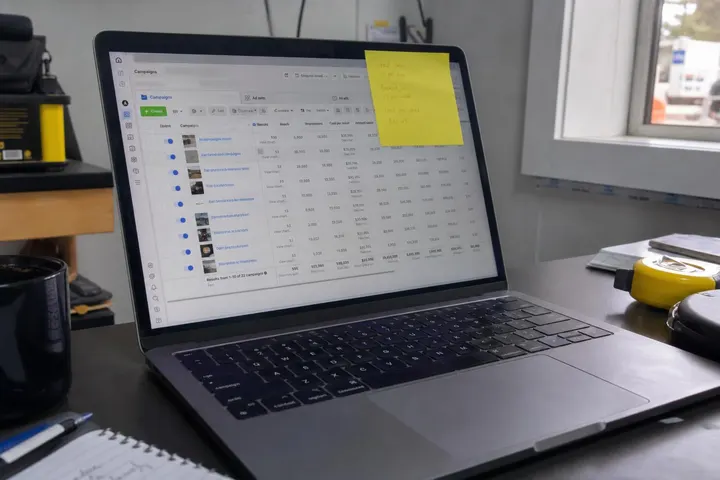
Track your spend in Meta Ads Manager daily. After two weeks, calculate your cost-per-lead and your conversion rate (leads to actual jobs). If you're at $12 per lead and converting 40 percent, you're on track. If you're at $25 per lead or converting only 10 percent, something's broken. It might be your ad copy, your targeting, your follow-up speed, or your offer.
Speed Kills the Competition: Why Your Follow-Up Matters Most
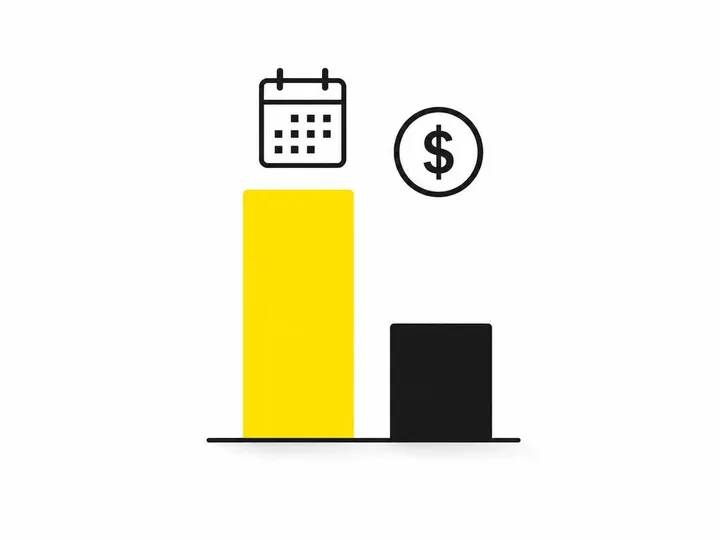
The fastest responder wins emergency jobs, and a missed call or delayed reply means your competitor gets the work, so automating your follow-up is as important as running the ads themselves.
You can run perfect ads, hit the right people at the right time, and still lose the lead if you take 20 minutes to respond. At 11 PM, if someone's hot water is gone, they're calling three plumbers. The first one who answers or calls back within 5 minutes books the job.
Automate your missed call follow-up using tools like Facebook Messenger autoresponders or SMS automation. Set up an instant SMS reply: "Thanks for your enquiry. We're available now. Call us back on [your number] or reply with your address and we'll confirm arrival time." This keeps the lead warm while you're answering another call.
If you use click-to-call button for tradie websites, you're already ahead because people calling you are in real-time mode. But if some calls go to voicemail, have a voicemail script and a text-back system ready. Modern tools like Slack, Twilio, or even Facebook Business Suite can automate your initial response and alert you immediately to new leads.
Conversion Tracking: Know What's Actually Working
Set up conversion tracking in Meta Ads Manager so you know which ads and audiences are driving real jobs, not just clicks or form submissions. Add the Meta pixel to your website and configure events for "Call," "Message," and "Form Submit." This data tells you which time windows, audiences, and ad variations actually convert to work.
Without tracking, you're flying blind. You might think your 8 PM ads are working when really all your bookings come from 10 PM to midnight. Once you see the data, you can shift budget to your peak-converting windows and kill the underperformers.
Conclusion
Emergency tradie Facebook Ads aren't a set-and-forget channel. They work because they catch people in crisis mode, at the exact moment they're ready to book, and in their local neighbourhood. But they only pay off if you schedule them tight to your real peak hours, target ruthlessly to your service area, write copy that promises speed and capability, use click-to-call buttons to remove friction, and respond faster than your competition.
Start small, test your timing and targeting, and track every lead back to the ad and time slot that generated it. Once you see what's working, scale it. Many emergency tradies find that a properly tuned after-hours Facebook campaign running $30 to $50 per day fills their schedule consistently and drives job costs down because you're reaching people who are ready to pay for your speed right now.
If you're serious about running a proper Meta Ads campaign for your emergency services, audit your current targeting, scheduling, and follow-up process first. That's where most tradies leak leads and budget.