Roofing Lead Magnets That Turn Researching Homeowners into Enquiries
On this page 6 sections
Key takeaways
- A post-storm checklist positions you as the safe, credible alternative to disaster chasers
- 64% of Australian adults reported doing their own roof or gutter repairs in a July 2026 survey
- Keep lead capture forms short: name, email, suburb, roof type and main problem is enough
- Segment follow-up by issue type so your response feels relevant, not generic
- Lead magnets support Google Search and your Business Profile while Local Services Ads are not yet live in Australia
Lead magnets work for roofing businesses because they let homeowners research and self-educate before they commit to contact, which means the enquiries you do get are warmer, further along, and far less likely to ghost you. A free roof inspection checklist, post-storm damage guide, or repair-versus-replacement worksheet turns casual browser into qualified prospect, and in a trust-sensitive trade like roofing, that early positioning as the helpful educator rather than the sales pressure matters more than in almost any other industry.
Why Lead Magnets Work for Roofing Lead Generation
The homeowner research window is your best opening
Homeowners rarely call a roofer cold. They research first. They Google symptoms, ask the neighbours, check their insurance policy and read reviews. That research window is where a lead magnet lives. A downloadable checklist, decision guide or damage assessment sheet meets them exactly where they are in that moment: "I think I have a roof problem, and I want to figure out what it is before I call someone."
A lead magnet examples for Australian small businesses report shows that specific, actionable downloads outperform vague promises every time. Roofers who offer a practical tool (not a generic e-book) capture email addresses from homeowners who have already decided something needs attention. Those homeowners are ready to hear from you. They're not tire-kickers; they're people in the early stage of a genuine decision.
Why trust matters more in roofing than most trades
Roofing is expensive, visible and involves your home's weathertightness. Homeowners are right to be cautious. After the November 2026 Queensland and New South Wales storms, the Insurance Council of Australia November 2026 disaster chasers warning documented more than 9,000 insurance claims and widespread reports of unlicensed contractors using high-pressure tactics, false urgency and obscure fees.
When you offer a free, honest, no-obligation checklist or guide, you're signalling that you're the transparent alternative. You're teaching homeowners how to think, not how to panic. That builds trust signals on your roofing website before they ever pick up the phone. Lead magnets are trust-building tools disguised as content.
Four Lead Magnets That Actually Fit a Roofing Business
1. Free roof inspection checklist for homeowners
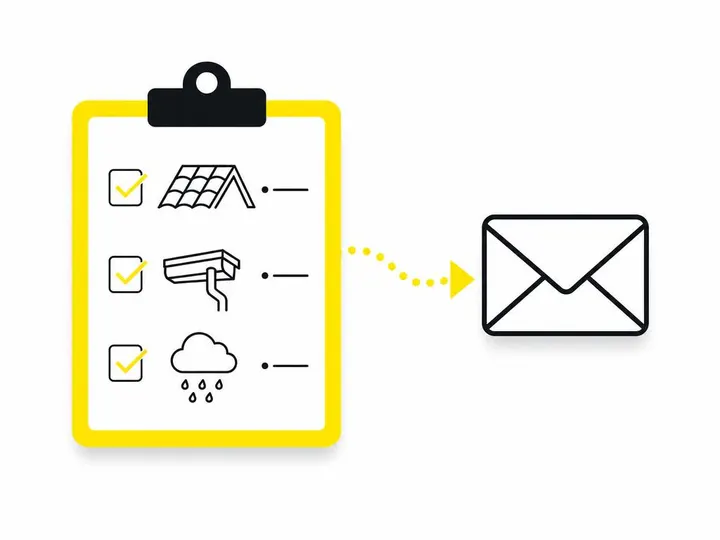
A one-page or two-page visual checklist that homeowners can use to spot common roof problems from the ground. Include items like ceiling stains inside the home, slipped or cracked tiles, rusted metal flashing, blocked gutters, signs of mould, and visible storm debris. Make it clear and visual so anyone can follow it without technical knowledge.
Crucially, include safety language: "Do not climb onto your roof. Inspect from the ground using binoculars if needed, or call a licensed roofer to access the roof safely." This positions you as responsible and protective, not as someone looking to scare them into an urgent quote.
2. Post-storm roof damage checklist
This is timely and location-specific, especially in storm-prone areas like Queensland and New South Wales. A post-storm roof damage checklist should cover immediate safety steps, how to take photographs for the insurer, temporary protective measures (like tarping), how to contact the insurer using independently verified details, and which questions to ask before signing anything with a contractor.
Include a section on how to verify a roofer's licence, insurance and business registration. Add a comparison of three common red flags: unsolicited door-knocking, pressure to decide immediately, and vague or verbal estimates. This directly counters disaster-chaser tactics and positions you as the safe, credible option.
3. Repair or replace? A homeowner decision guide
Many homeowners don't know whether a roof issue warrants a repair or a full replacement. A decision guide walks them through symptoms: repeated leaks in the same spot, widespread tile damage across multiple areas, visible corrosion on metal roofs, sagging sections, or roof age beyond 20 to 25 years. Use the guide to segment leads by repair urgency, roof type and suburb so your follow-up can be specific and relevant.
4. How to choose a roofer without getting caught by a scam
This is a consumer protection guide wrapped in a lead magnet. Include a simple quote-comparison worksheet, a checklist for verifying business name and ABN, questions about insurance and warranty, written-scope requirements, deposit policies and cancellation terms. List red flags based on current insurer warnings: unsolicited contact, pressure tactics, demands for cash or immediate bank transfer, and refusal to provide written agreements.
This positions you as the educator and the trustworthy choice without making insurance claims or over-promising a diagnosis. The homeowner will finish reading it and think: "I should call someone who explains things this clearly."
How to Set Up the Lead Capture Without Killing Conversions
Keep the form short and proportionate
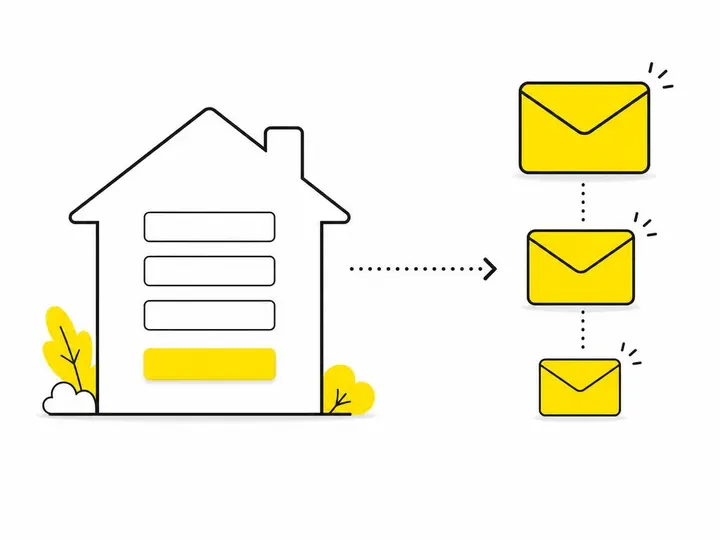
A three-field form converts better than a ten-field interrogation. Ask for name, email and suburb. Add an optional field for roof type and the main problem they're concerned about. That's enough to deliver the lead magnet and enough data to begin qualifying.
If you want a photo upload or inspection-booking option, add it after the initial download so the homeowner has already committed to giving you their email. Force too many fields upfront and you'll lose half your prospects before they download.
Segment your follow-up sequences from day one
Once someone downloads, you need to know why they downloaded. A homeowner worried about storm damage needs different messaging than one researching routine maintenance or exploring repair versus replacement. Use the form field data to tag the lead and trigger a specific email sequence.
Storm-damage leads get immediate, relevant advice on insurer contact and contractor verification. Maintenance leads get tips on seasonal checks and gutter cleaning. Replacement prospects get information on lifespan, materials and cost ranges. This level of segmentation shows the lead that you understand their specific situation, not that you're running a generic autoresponder.
Where to Promote Your Lead Magnet
Your website and Google Business Profile
Start by embedding the lead magnet offer on your website's homepage and service pages. If you install pitched roofs, link the inspection checklist from the pitched-roof page. If you do gutters, promote the maintenance checklist there. Use clear, benefit-driven buttons: "Download Your Free Roof Inspection Checklist" beats "Learn More."
Add it to your local lead generation for tradies efforts by mentioning it in your Google Business Profile description and posts. A post like "Storm damage? Download our free assessment guide" costs nothing and signals that you're active and helpful to homeowners in your area.
Google Search campaigns and remarketing
Run Google Search Ads targeting keywords like "roof inspection checklist," "storm damage roof," and "how to choose a roofer." Send traffic to a dedicated landing page that highlights the download with one clear call-to-action and a minimal form.
Use remarketing to show the lead magnet offer to people who visited your website but didn't convert. A person who browsed your roofing services page three days ago is a perfect candidate for a "Free Roof Inspection Checklist" retargeting ad.
Why you should not wait for Local Services Ads in Australia
As of November 2026, Google Local Services Ads are not available to Australian roofers. Google is transitioning Local Services Ads into Performance Max campaigns with pay-per-lead objectives, but Australia is not yet on the supported-countries list, with rollout scheduled for 2027. Building a lead-generation strategy around a product that may not arrive for another year is a mistake.
Focus instead on SEO for roofing businesses, Google Search Ads, your Google Business Profile, and lead magnets. These channels work now and will still be valuable after Performance Max arrives.
What to Do With the Lead Once You Have It
Respond within five minutes if you can
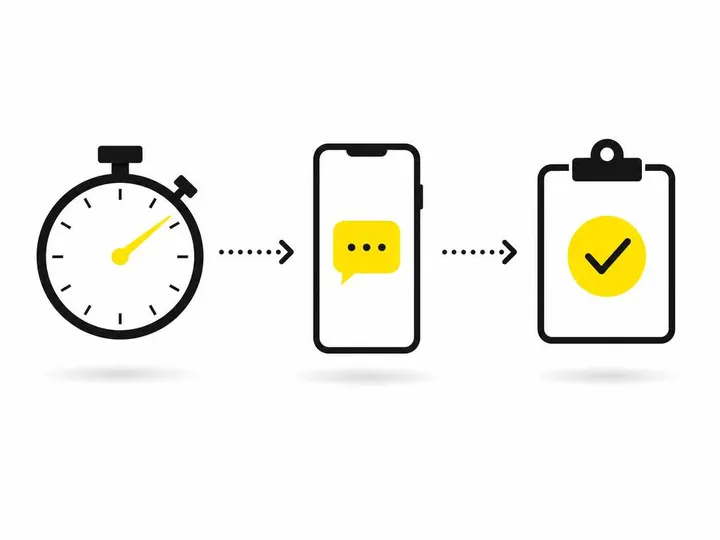
Send an automated email that thanks the homeowner for downloading, confirms they'll receive the resource, and tells them when to expect your personal follow-up. Then actually follow up: within 24 hours if it's routine, within a few hours if it's storm-related. A homeowner who downloaded a post-storm damage checklist needs to hear from you while the urgency is fresh.
Your first message should acknowledge their specific situation: "I see you're concerned about storm damage in Toowoomba. Here's what I'd suggest checking first..." This beats a generic sales email every time and sets the tone for trust.
Use the data to qualify before you quote
Before you send a quote or book a site visit, qualifying leads before quoting saves you time and reduces no-shows. Ask a few qualifying questions in your follow-up email: How old is the roof? When was the problem first noticed? Has damage been reported to the insurer? Is this urgent or exploratory?
A homeowner who answers these questions is serious. One who ignores them is probably just collecting information or shopping for the lowest price. That's useful knowledge before you spend two hours on a free quote.
Use how to follow up roofing website leads best practices by assigning leads to your team, tracking response times and measuring which lead magnets produce the highest-quality enquiries. Over time, you'll know which downloads attract committed prospects and which attract browsers.
Conclusion
Lead magnets for roofing businesses aren't optional extras; they're a central part of roofing marketing guide strategy in 2026. Homeowners research before they call, and they're wary of pressure and scams. When you offer them free, honest, actionable resources like a roof inspection checklist or a post-storm damage guide, you meet them exactly where they are and you position yourself as the trustworthy alternative to unlicensed contractors and disaster chasers.
Keep the forms short, segment your follow-up by lead type, and respond quickly. Promote through your website, Google Business Profile and Google Search Ads. Most importantly, use the lead magnet to qualify prospects before you quote, so you're spending time on people who are genuinely ready to move forward.
Start with one lead magnet this month. A roof inspection checklist takes a few hours to create and can deliver qualified enquiries for years. That's the practical return on a small upfront investment.