Lead Magnet Examples for Australian Small Businesses (And How to Build One)

On this page 9 sections
Key takeaways
- Match the format to the job: checklists for tasks, guides for decisions, calculators for costs
- Solve one specific problem, not everything at once
- Ask for minimal details upfront; qualify further in the follow-up
- Referrals remain the top ANZ B2B lead source, so make your resource easy to share
- Track downloads, qualified enquiries and booked appointments, not just email addresses
Most small business websites ask visitors to "get in touch" and hope for the best. A lead magnet gives people who aren't ready to call yet a reason to share their details. Built properly, it also shows you who is worth following up. Below are lead magnet examples you can adapt this week, plus a simple process to build one without blowing your budget.
What is a lead magnet, and why does an Australian small business need one?
A lead magnet is a free, genuinely useful resource, such as a checklist, calculator, template or short guide, that someone receives in exchange for their contact details.
Most people who land on your site aren't ready to book or buy. Without a middle step, they leave and you never hear from them. A lead magnet is often the easiest way of turning website visitors into quote requests later on. Online selling matters for most businesses now. CPA Australia's 2025/26 Asia-Pacific Small Business Survey found 44% of Australian small businesses earned more than 10% of their revenue through online sales.
The difference between capturing a lead and capturing a qualified lead
A lead is just a name and email. A qualified lead is someone who has the problem you solve, in an area you service, with a realistic budget and timeframe. Fifty downloads from the wrong people are worth less than five from the right ones.
How lead magnets fit into your wider sales pipeline
The resource starts a conversation, then your follow-up moves it towards a consultation, quote or sale. That's why lead nurturing for small businesses matters as much as the download itself.
Which lead magnet format works best?
The best format matches what your customer is trying to do: checklists for tasks, guides for unfamiliar decisions, calculators for costs, templates for repeatable work and self-assessments for "am I ready?" questions.
Checklists
These are quick to make and quick to use. They suit anyone preparing for something, like an appointment, a move or a tax deadline.
Guides and how-to resources
Guides suit decisions your customers rarely make, such as choosing a business structure. Keep them to a few pages, not a 40 page ebook.
Calculators and estimators
These are ideal when the first question is "how much?" A simple spreadsheet or web form can work fine.
Templates
Templates suit repeatable work: content calendars, staff rosters, budgets or policy documents.
Mini-audits and self-assessments
A ten question scorecard helps people diagnose their own problem. Their answers also tell you how ready they are to buy.
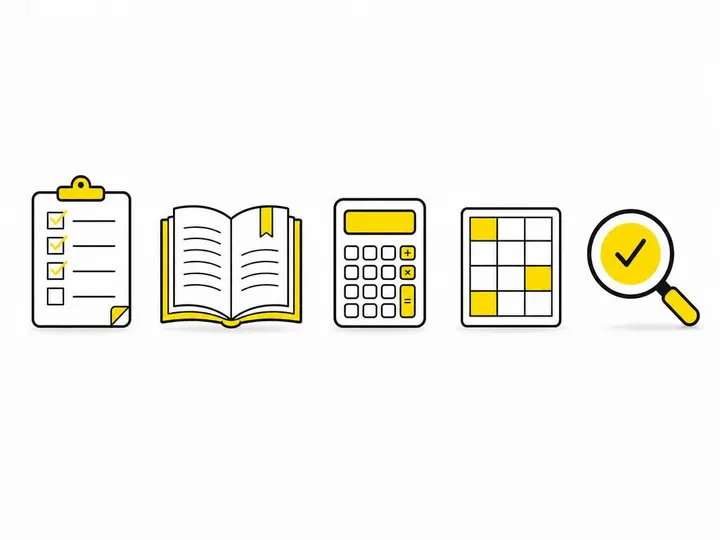
Real lead magnet examples for Australian small businesses
The strongest examples solve the first step of a problem your customers already have, using language they would use themselves.
Professional services (accountants, consultants, law firms)
EOFY document checklist for sole traders
"Sole trader or company?" decision guide
Cash flow forecast template
Health and allied health clinics
"What to bring to your first physio appointment" checklist
Desk stretch guide for office workers
Private health rebate explainer
Trades and construction
Quote preparation checklist so homeowners can describe their project clearly
Renovation budget estimator
Retail and hospitality
Event catering planner with headcount quantities
Gift guide by budget, delivered with a first order discount
Real estate
Suburb price snapshot
Pre-sale preparation checklist for vendors
"What's my home worth?" self-assessment
How do you build a lead magnet in five practical steps?
You build a lead magnet by picking one urgent problem, solving its first step in a short resource, gating it with a simple form, delivering it instantly and tracking what happens next.
Step 1: Choose one urgent problem your customer already has
Look at the questions you answer on the phone every week. The most repeated one is usually your best topic.
Step 2: Create a short resource that solves the first step
One to three pages is plenty. It should be useful enough to save and forward, while leaving room for your paid service.
Step 3: Put it behind a simple form with minimal fields
Name and email is often enough. Decide early whether to use a Meta lead form or a landing page, because it affects lead quality and tracking.
Step 4: Deliver it immediately and follow up with a relevant next action
Send the file within seconds, then offer one sensible next step, such as a free review or a quote. Our guide on how to follow up website leads covers timing and wording.
Step 5: Connect it to measurement
Track downloads, qualified enquiries, booked appointments and sales, not just opt-ins. CRM integration lets you see which downloads became revenue. A marketing dashboard for small business keeps those numbers in one place.
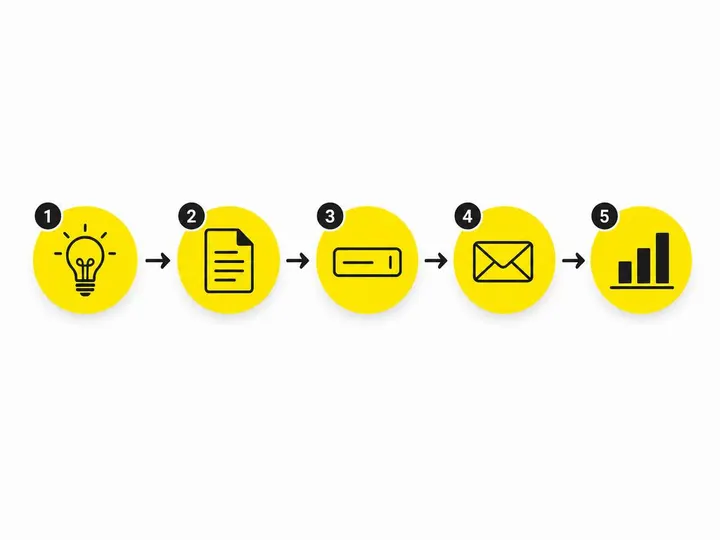
Design for qualification, not just collection
A well designed lead magnet sorts serious prospects from casual browsers instead of simply collecting as many email addresses as possible.
What to ask on the form versus the thank-you page
Keep the form short so people actually complete it. Then use thank-you page qualification: two or three optional questions about timeframe, location, budget range or service needed. People who answer are usually your warmest leads.
How platform changes in 2026 make qualification more important
Meta now offers a qualified leads optimisation goal for website lead campaigns, and Google is reportedly folding Local Services Ads (LSA) into Performance Max during October 2026. Both platforms increasingly reward advertisers who feed back CRM data about which leads converted. Good qualification data makes your ads smarter.
What Australian laws apply when you capture leads?
When you collect emails in Australia, the Spam Act 2003 governs your marketing messages and the Australian Privacy Act may govern how you handle personal information.
Spam Act 2003 and consent
Every commercial email needs consent, must identify your business and must include a working unsubscribe that you honour within five working days. Make email opt-in consent clear: say that downloaders will also receive your emails. The ACMA's Spam Act guidance explains the detail.
Privacy Act and handling personal information
Many businesses under $3 million turnover are exempt, but health service providers and some others are covered regardless. Either way, only collect what you need, store it securely and say how you'll use it. See the OAIC's guidance on personal information.
Common mistakes Australian small businesses make with lead magnets
The most common mistake is creating a generic "free ebook" that nobody urgently needs.
Asking for too many details on the first form
Delivering the file hours later, or not at all
No follow-up beyond a monthly newsletter
Hiding the offer on a single page nobody visits
Measuring downloads instead of enquiries and sales
How can you promote a lead magnet without a big ad budget?
You can promote a lead magnet cheaply by placing it on your busiest pages, sharing it through referrals and social channels, and linking it from your Google Business Profile.
Your website and existing traffic
Add the offer to relevant service pages and blog posts, not just the footer.
Social media and referral sharing
The State of B2B Marketing ANZ 2026 report found referrals were the top lead source at 32%, against 16% for paid Google Ads, and 48% of marketers named pipeline building as their priority. Make your resource easy to forward. When you're ready to scale, consider using Meta ads to promote your lead magnet.
Google Business Profile
Post the offer as an update with a link, and mention it when replying to reviews and questions.
Conclusion
The best lead magnet examples are short, specific and tied to a real problem your customers already have. Pick a format that fits their situation, keep the form simple, deliver instantly, ask qualifying questions on the thank-you page and stay on the right side of the Spam Act and Privacy Act.
Start with the question you answer most often this month. Turn it into a one page checklist, put it on your busiest page and track how many downloads turn into booked conversations over the next 90 days.