Cosmetic Clinic Lead Generation: How to Turn Treatment Enquiries into Consultations
On this page 7 sections
Key takeaways
- Build campaigns around consultation bookings, not treatment promises
- Remove prescription-product references from ads and landing pages
- Qualify leads with practical questions, not diagnostic language
- Respond to new enquiries promptly during opening hours
- Track cost per attended consultation, not just cost per form fill
- Compliant educational content reduces low-intent enquiries without testimonials
Most cosmetic clinic enquiries never become attended consultations. A person fills your form or calls during hours, you respond, and then nothing. The gap between that first enquiry and a booked appointment is where clinics lose revenue every single week. This gap isn't about demand. It's about how you qualify leads, how fast you follow up, what you say on your landing page, and whether your entire funnel complies with AHPRA and TGA rules without relying on prohibited claims or testimonials.
Why Most Cosmetic Clinic Enquiries Go Cold Before the Consultation
A cosmetic clinic enquiry is not a lead. It's a question mark. Someone has shown interest, but you don't yet know if they're a suitable candidate, available for appointment, serious about booking or just browsing.
The gap between a form fill and a booked appointment
An enquiry becomes a lead only after you qualify it. That means you've confirmed the person is interested in a consultation, available to attend, contactable and not ruled out by obvious factors like location or timing. Most clinics skip this step or do it poorly. They treat every form submission the same, respond generically and wonder why their cost per attended consultation is two to three times higher than it should be.
The practical issue is friction. A person fills a form late at night. Your booking system doesn't send an immediate confirmation. They don't hear back until the next business day. By then they've moved on, called a competitor or changed their mind. Following up website enquiries quickly and with the right message is what separates clinics that convert 40 percent of enquiries into consultations from those that convert 15 percent.
Why low-quality leads cost more than you think
A cheap enquiry that doesn't attend a consultation costs you far more than you paid for it. It wastes reception time, clinic space, follow-up effort and opportunity cost. If you're paying $8 per form fill through ads, but only 20 percent of those enquiries book and only 70 percent of those attend, your true cost per attended consultation is $57. If you tighten qualification and follow-up so that 50 percent book and 85 percent attend, your cost per attended consultation falls to $23 on the same ad spend. That's the difference between a sustainable campaign and one that bleeds margin.
What AHPRA and TGA Rules Mean for Your Lead Generation Campaigns
Australian cosmetic clinics must comply with AHPRA advertising standards and TGA therapeutic goods rules. These aren't negotiable, and they directly affect what you can say in your ads, landing pages and follow-up messages.
Testimonials, before-and-afters and outcome claims
AHPRA advertising guidelines prohibit testimonials and purported success stories for higher-risk non-surgical cosmetic procedures. Before-and-after images must be from the clinic's actual patients, include prominent patient-specific-results warnings, and be backed by documented separate consent. This means you cannot rely on dramatic imagery or patient stories as the foundation of your campaign. That rules out most aggressive creative tactics other clinics use.
The practical implication: your ad and landing page must sell the consultation and practitioner expertise, not the result.
Prescription-medicine references on ads and landing pages
TGA guidance on advertising therapeutic goods in Australia restricts public-facing references to prescription-only products, including cosmetic injectables. If your ad mentions a specific prescription medicine, the advertisement itself becomes a therapeutic goods advertisement and must comply with separate TGA advertising rules. Google's Australian restricted-drug policy, updated in October 2026, prevents advertisers from using prescription-drug terms in ad copy or landing pages without separate certification. This means naming a specific product in your ad or landing page can trigger compliance flags and reduce ad approval.
The safe approach: advertise the consultation, suitability assessment and practitioner qualifications instead of naming the product.
Age restrictions and platform-level rules on Meta and Google
Meta applies age restrictions to cosmetic and health-related campaigns. Cosmetic procedure ads must be configured for audiences aged 18 and over, aligning with AHPRA's prohibition on advertising higher-risk cosmetic procedures to under-18s. If your Meta campaign doesn't have age restrictions set, your ads can be disapproved or paused. Google doesn't restrict cosmetic procedure ads the same way, but platform approval does not replace Australian legal compliance. Always assume AHPRA and TGA rules are your floor.
Building a Consultation-First Funnel That Stays Compliant
A consultation-first funnel is designed to attract people seeking a professional assessment, not people who've already decided what treatment they want.
What to put on a compliant cosmetic clinic landing page
A compliant landing page includes practitioner credentials and registration details, clinic location and opening hours, a description of the consultation process (what happens before, during and after), information about suitability and assessment, and a clear booking action. Avoid outcome guarantees, before-and-after comparisons, specific product names and diagnostic statements. Focus instead on what the person can expect, why a consultation matters and how to book.
Ad creative that attracts the right person without prohibited claims
Effective ad copy highlights practitioner expertise, suitability assessment, personalised treatment planning and clinic credibility. Use phrases like "Professional skin assessment," "Find out what's suitable for you," "Consultation with a registered practitioner," and "Personalised treatment planning." Avoid "Guaranteed results," "See dramatic transformations," product names and before-and-after imagery in the ad itself. Your ad is an invite to a conversation, not a promise of an outcome.
Using educational content to filter out low-intent enquiries
Educational content on your website and blog reduces low-intent enquiries naturally. Posts explaining what happens in a consultation, common questions about suitability, downtime and aftercare, practitioner qualifications and realistic timelines all attract people serious about assessment. SEO for cosmetic clinics that targets educational and assessment-focused keywords brings qualified traffic. This approach filters out bargain hunters and browsers without relying on testimonials or dramatic imagery.
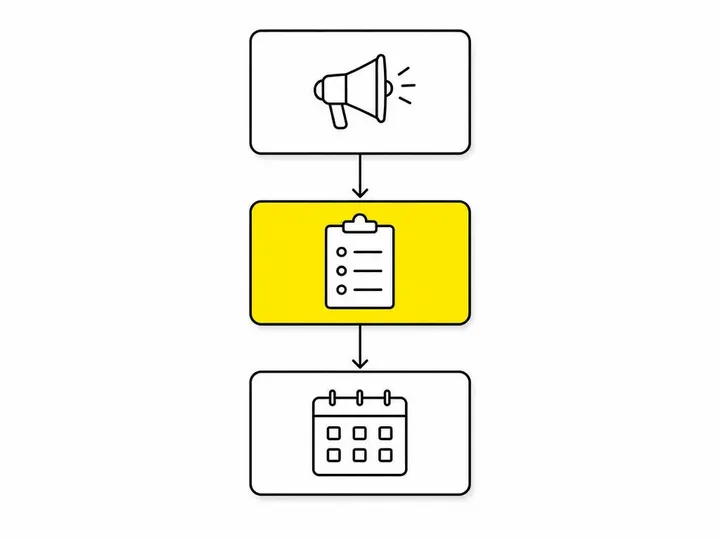
How to Qualify Cosmetic Clinic Leads Without Diagnostic Language
Lead qualification is a conversation, not an interrogation. The goal is to confirm suitability for a consultation and rule out obvious blockers.
Practical qualification questions that work
Use a practical lead qualification checklist that asks: Which treatment area or concern brings you in? Have you had a consultation here before? When would you like to come in? Can we contact you on the phone or email provided? These questions confirm intent, availability and contact preference. They're fast, non-invasive and filter out people not ready to book.
Questions and phrases to avoid entirely
Never ask "Do you have [condition]?" or "Are you suitable for [treatment]?" Those imply diagnosis. Never ask about allergies, medications or medical history in a form or initial call; that's for the consultation. Never say "This will treat your [condition]" or "This fixes [problem]." These are diagnostic or outcome claims. Stick to assessment language: "What brings you in today?" "What would you like the practitioner to assess?" "What area would you like to discuss?"
The Follow-Up System That Turns Enquiries into Attended Consultations
Speed and consistency turn enquiries into booked consultations. Every step matters.
Immediate confirmation and response time
Send an automated confirmation email or SMS within 2 minutes of form submission. Include the clinic name, next steps, phone number and expected response time. Then contact the person by phone or email within 2 to 4 hours during business hours. Waiting until the next day costs you 30 to 50 percent of potential bookings. Following up new clinic enquiries quickly when the person is still thinking about it is the single highest-impact tactic in your funnel.
A short, effective call script for clinic reception
Keep it simple: "Hi [name], thanks for your enquiry. We received your question about [treatment area]. Do you have a quick minute? Great. The next step is a consultation with [practitioner name], which usually takes about [time]. We have availability [dates]. Does any of that work for you?" Listen more than you talk. Answer their immediate questions. Offer a time. If they hesitate, offer an online booking link so they can decide later without pressure.
Online booking, reminders and show-up rate
Offer online booking as an option during the call or in follow-up emails. Send a confirmation email and SMS with the appointment date, time, location, what to bring and what to expect. Send a reminder 24 hours before and 2 hours before the appointment. Meta lead ad follow-up processes and clinic-specific CRM systems track every stage from enquiry to attended consultation. Track your show-up rate. If it's below 85 percent, reminders and follow-up messaging need work.

Measuring What Actually Matters: Beyond Cost Per Lead
Cost per lead is a vanity metric. Cost per attended consultation is the number that tells you if your campaign actually works.
The clinic metrics that reveal true campaign performance
Track these metrics for every campaign:
- Qualified-enquiry rate: percentage of form submissions that meet basic criteria (contactable, available, not an obvious mismatch)
- Contact rate: percentage of enquiries you successfully reach by phone or email
- Consultation-booking rate: percentage of contacted enquiries that book an appointment
- Show-up rate: percentage of booked appointments the person actually attends
- Median response time: how long from enquiry to first contact
- Cost per booked consultation: ad spend divided by number of booked appointments
How to calculate cost per attended consultation
Divide your total ad spend by the number of people who attended a consultation (not just booked, but actually showed up). If you spent $2,000 and 50 people attended, your cost per attended consultation is $40. This is the real number that determines profitability. A campaign with higher cost per lead but better qualification, response time and show-up rate will have a lower cost per attended consultation. That's the campaign worth scaling.
Use call tracking to connect phone enquiries to ad source. Use your CRM to log every enquiry, contact attempt, booking and attendance. These tools are not optional for a clinic serious about lead quality.
Conclusion
Cosmetic clinic lead generation fails not because demand is weak, but because clinics treat enquiries as leads before they qualify them, respond too slowly, rely on prohibited proof points like testimonials and before-and-afters, and measure only volume instead of quality. The clinics that convert 50 percent of enquiries into attended consultations do three things consistently: they build a consultation-first funnel that complies with AHPRA and TGA rules, they contact enquiries within 2 to 4 hours with a clear next step, and they measure cost per attended consultation instead of cost per form fill.
Your cost per attended consultation determines whether lead generation is profitable. A tighter qualification process and faster follow-up system will improve that number faster than cheaper ads ever will. Start with response time. If you're contacting enquiries within 2 hours and asking simple, non-diagnostic qualification questions, your conversion rate will lift immediately. Then measure cost per attended consultation every month and adjust your targeting, landing page and follow-up based on that number, not on cost per click or form fill.
Compliance and quality go together. Meta Ads for medical and cosmetic clinics that focus on consultation suitability and practitioner expertise, paired with tight qualification and fast follow-up, outperform aggressive campaigns that rely on outcome claims. That's the foundation of a sustainable lead generation system for your clinic.