How to Build a Lead Qualification Scorecard for Your Australian Small Business

On this page 10 sections
Key takeaways
- Score leads on Fit, Intent, Timing and Value not just channel or volume
- Check disqualifiers first to avoid wasting time on unprofitable work
- Three outcomes only: Priority, Nurture, or Drop
- Referrals rank high on trust but still need commercial scoring
- Calibrate your scorecard monthly against real sales outcomes
A lead qualification checklist only earns its keep if it helps you decide, quickly and consistently, which enquiries deserve your time and which ones will quietly drain it. This guide shows you how to build a simple weighted scorecard that works in a spreadsheet, needs no sales team, and gets sharper every month.
Most owners already sense which enquiries are worth chasing. The problem is that gut feel changes depending on how busy you are, how the last job went, or how persuasive the caller sounded. A scorecard replaces that with a few honest questions you answer the same way every time. If you run a trade business, our guide on qualifying leads in a trade business covers that context specifically. This article is for everyone else: bookkeepers, caterers, designers, clinics, consultants and retailers.
Why Lead Quality Matters More Than Lead Volume in 2027
Lead quality matters more than volume because every poor-fit enquiry costs you time, quoting effort and attention you could have spent winning profitable work.
The cost of chasing poor-fit enquiries
An interior designer who spends three hours preparing a proposal for someone with a $2,000 budget on a $20,000 brief has lost those hours twice: once on the proposal and again on the paying client who waited. Tracking your cost per booked job rather than cost per enquiry makes this waste visible.
What the data says about Australian small business measurement
The ABS Counts of Australian Businesses, including Entries and Exits (2026) recorded 2,814,778 actively trading businesses at 30 June 2026, around 1.8 million of them with no employees. ABS figures reported in October 2026 also found only 10% of businesses actively collected or analysed data to inform decisions. Meanwhile, the State of B2B Marketing ANZ 2026 found just 29% of organisations could confidently prove marketing's contribution to revenue. In short: most of us are guessing, and a lightweight scorecard is the easiest fix.
Start With Disqualifiers: Know What You Won't Take On
The fastest way to qualify leads is to first list the enquiries you will never accept, because a lead disqualifier removes a bad fit in seconds without any scoring.
Hard disqualifiers vs soft warning signs
Hard disqualifiers: a service you don't offer, outside your service area, a budget well below your minimum, or a deadline you can't physically meet.
Soft warning signs: vague scope, repeated price shopping, unrealistic expectations or no access to the decision maker. These lower the score rather than end the conversation.
Why identifying poor-fit leads first saves the most time
For a one or two person business, filtering out unworkable enquiries is worth more than ranking every lead from one to ten. Write your hard disqualifiers down and check them before anything else.
What Criteria Should a Small Business Use to Qualify a Lead?
Use the four-part FIT scorecard framework: Fit, Intent, Timing and Value.
Fit: Does this enquiry match what you actually do?
Check service, location and customer type. A bookkeeper who specialises in hospitality should score a café higher than a mining contractor.
Intent: Is this person ready to act, or just browsing?
Someone asking for a quote or booking a consultation shows stronger intent than someone asking "roughly what do you charge?"
Timing: Is there a realistic decision or start date?
"We need this before our March launch" beats "sometime next year, maybe".
Value: Is the job commercially worthwhile after costs?
Estimate the gross margin, not just the price. A large catering order with heavy staffing and travel can be worth less than a smaller local one.

How to Weight Your Scorecard Criteria
Weighted lead scoring means giving more points to the criteria that have actually predicted your past wins, rather than treating every criterion as equal.
Assigning points based on your own wins and losses
Look at your last 20 jobs won and 20 lost. If budget fit separated them more than timing did, weight budget higher. Don't copy someone else's benchmark.
A simple points example you can copy today
Service fit: 0 to 3 points
Location fit: 0 to 2 points
Clear intent (quote or consult requested): 0 to 2 points
Realistic timing: 0 to 2 points
Value above your minimum margin: 0 to 3 points
Speaking to the decision maker: 1 point
Each soft warning sign: minus 1 point
That gives a maximum of 13.
What Should You Do With Leads That Don't Qualify?
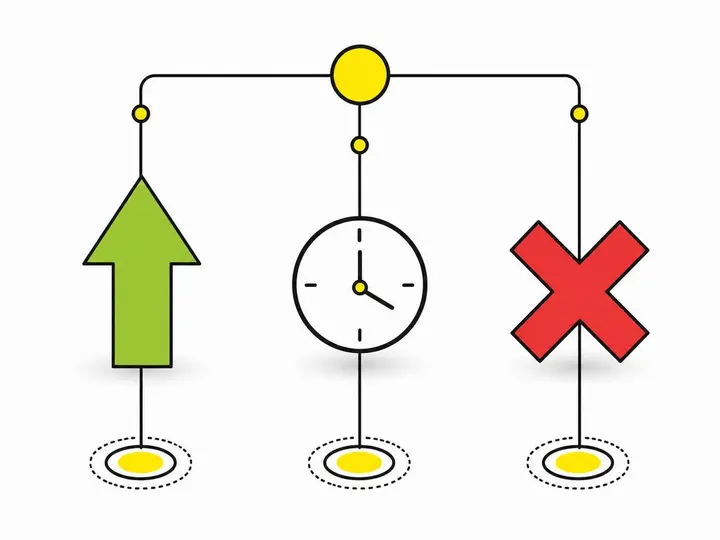
Every scored lead should land in one of three outcomes: priority, nurture or drop, with referral to another provider as a sensible option for good people who simply aren't your fit.
What to do with each outcome
Priority (10 to 13): respond personally and prepare a proposal.
Nurture (6 to 9): potential fit but unclear timing or budget. See our guide on how to nurture leads that aren't ready yet.
Drop or refer (0 to 5, or any hard disqualifier): decline politely and, where you can, point them to someone better suited. Referring builds goodwill that often comes back.
Recording outcomes to improve your scorecard over time
Note the final result against every lead: quoted, won, lost and why. Without this, the scorecard never improves.
Should Referral Leads Be Treated Differently From Paid Ad Leads?
No, referral leads should be scored against the same commercial criteria as paid ad leads, with the source recorded separately.
Why channel alone doesn't predict lead quality
The State of B2B Marketing ANZ 2026 found referrals were the top primary lead source at 32%, compared with 16% for paid Google Ads. Referrals bring trust, but a friend of a client can still want a discount you can't afford. And with CPA Australia's Asia-Pacific Small Business Survey 2025/26 finding 44% of Australian small businesses earned more than 10% of revenue online, web enquiries clearly deserve fair assessment too.
How to record source without over-weighting it
Keep source as its own column for lead source attribution, not a scoring line. Our guide to tracking where your leads come from explains simple ways to capture it.
How Do You Score Leads Without a CRM or Sales Team?
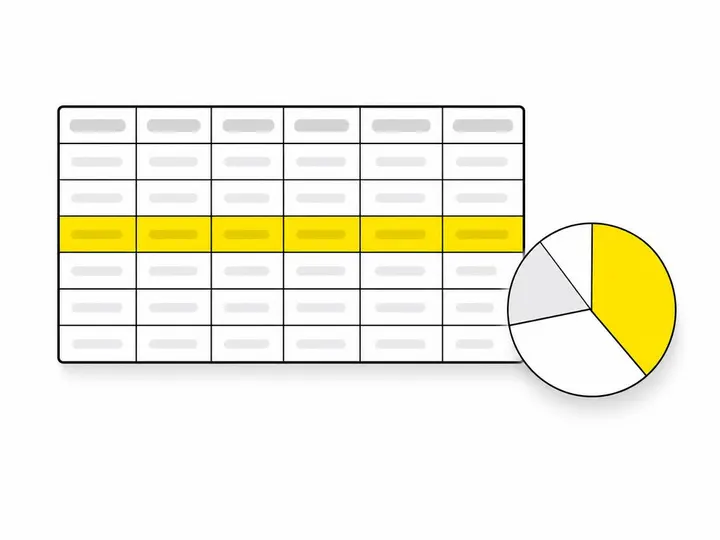
A shared spreadsheet with one row per enquiry is enough to run a lead qualification scorecard properly.
Recommended column structure
Date, lead name, source, service fit, location fit, intent, timing, estimated value, decision maker (Y/N), red flags, total score, outcome, reason lost and actual gross margin.
Using a CRM vs a spreadsheet
A CRM (Customer Relationship Management system) is worth it once you handle dozens of leads a week or need reminders and automation. Until then, a spreadsheet is faster to set up. Later, AI-assisted lead qualification can help apply the same criteria at scale.
How Do You Know If Your Scorecard Criteria Are Actually Working?
Your scorecard is working when high-scoring leads consistently become profitable sales and low-scoring leads rarely do.
What to compare and when
Once a month, compare scores with quotes issued, sales won, gross margin and repeat business. A simple marketing dashboard makes this a 20 minute job.
Signs your criteria need adjusting
High scorers regularly go cold or haggle hard.
Won jobs keep coming from the nurture band.
Profitable jobs share a trait you aren't scoring.
ACCC Compliance: Wording Your Qualification Questions Fairly
You can legally decline or deprioritise a lead in Australia as long as your reasons are genuine business constraints and you don't mislead the customer about them.
Under Australian Consumer Law, the ACCC guidance on false or misleading claims is clear that businesses must not make misleading statements. So don't say you're "fully booked" when you simply don't want the job. Phrase questions around real limits like service area, minimum project size or availability. Separately, anti-discrimination laws mean you can't refuse service based on protected attributes such as race, sex or disability. Keep scorecard labels factual, because notes can be read later.
Conclusion
A lead qualification scorecard doesn't need software or a sales team. Start with hard disqualifiers, score each remaining enquiry on Fit, Intent, Timing and Value, sort it into priority, nurture or drop, and record the source without letting it decide the score.
The real value comes from monthly calibration against actual sales and margin. Your practical next step: open a spreadsheet today, add the columns above, and score your next ten enquiries before you reply to any of them.