Facebook Ads for Real Estate Agents: A Practical Guide for 2027
On this page 8 sections
Key takeaways
- Lead Gen ads beat landing pages for property enquiries higher completion rates due to pre-filled fields
- Lookalike audiences built from your past client list typically double your conversion rate
- Video ads generate far more engagement than static images for property listings
- Budget as little as $30 to $50 per day is enough to test Facebook ads in most Australian suburbs
- Track cost-per-enquiry, not just clicks.Clicks alone do not pay your commission
Facebook ads work for real estate agents in Australia, but only if you pick the right ad format, target the right people, and measure what actually matters. The average cost per enquiry ranges from $15 to $45 depending on your suburb and market, and Lead Generation ads tend to outperform other formats by a wide margin.
Are Facebook Ads Actually Worth It for Real Estate Agents?
Yes, if your budget and expectations are realistic. Meta reaches 88 per cent of Australian adults aged 18 and above monthly, and 73 per cent of Australians research property online before contacting an agent. That audience overlap is where Facebook ads shine for real estate.
Why real estate buyers and sellers are on Facebook
Most buyers start their property search on Google, but they spend their time scrolling Facebook and Instagram. They follow real estate pages, join local community groups, and stop to watch property videos mid-scroll. Sellers are there too, especially when they're thinking about listing but haven't committed yet. Unlike search ads, Facebook lets you reach people before they actively type "real estate agent near me".
What the numbers say about cost per enquiry
Real estate Facebook campaigns targeting in-market buyers (people who've shown intent through their behaviour and searches) achieve cost-per-acquisition in the range of $15 to $45 per property enquiry, depending on your suburb and how competitive your market is. Larger markets like Sydney's CBD or inner suburbs run closer to $35 to $45. Regional areas and outer suburbs typically cost $15 to $25. These figures assume you're running Lead Generation ads or video ads with proper targeting, not just boosting a random property photo.
The key metric here is enquiry, not sale. Your job is to get qualified phone calls or form submissions at a cost that makes sense against your average commission. If your average sale is worth $10,000 commission and you're spending $40 per enquiry with a 20 per cent close rate, you're paying $200 per sale on ads alone. That math works for most agents.
Which Facebook Ad Types Work Best for Real Estate?
Lead Generation ads are the strongest starting point for most real estate agents because they keep potential buyers and sellers on Facebook instead of sending them away, which dramatically improves form completion rates.
Lead Generation ads. The best starting point for most agents
Facebook Lead Ads versus website forms comes down to friction. Lead Gen ads pre-fill contact details pulled from the person's Facebook profile. They tap the form, they're done. No landing page load time, no re-entering their phone number. Meta Blueprint's own data shows 30 to 40 per cent higher completion rates with Lead Gen forms compared to sending people to an external landing page. For real estate agents, this means more enquiries from the same ad spend.
The trade-off is that you see less control over the landing experience. But for gathering initial interest, Lead Gen ads consistently deliver the lowest cost per enquiry.
Video and carousel ads for property listings
Video ads on Facebook generate roughly 10 times more engagement than static image ads for property listings. A 15 to 30 second video tour of a kitchen, bathroom, or backyard will stop the scroll. Carousel ads work too, especially when you're showing multiple angles of the same property or comparing a property's features side by side. Both formats cost slightly more per impression, but the engagement lift often justifies it. Video ads perform best when you lead with movement (opening a door, panning a room) in the first two seconds.
Retargeting ads for warm audiences
Retargeting warm property audiences means showing ads to people who've already visited your website or watched your video ad. They saw your listing but didn't enquire. A retargeting ad showing the same property with a different message or a different property altogether can remind them to take action. These ads cost less per click because the audience is warm, and they typically convert at double or triple the rate of cold ads.
How to Target the Right Buyers and Sellers
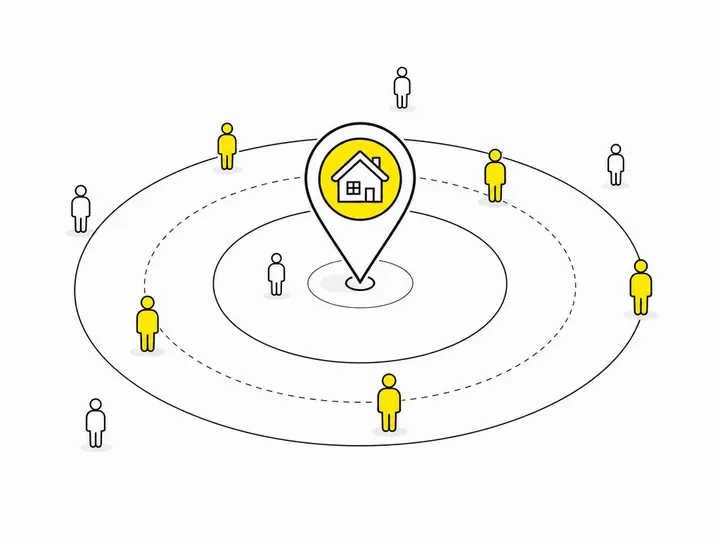
Targeting makes or breaks real estate Facebook ads, because broad targeting wastes money on people who will never buy or sell in your area.
Location and demographic targeting
Start narrow. Choose the postcodes or suburbs where you actually do business. Set age to 25 and above (most first-home buyers are 25 to 40; downsizers are 55 to 70). If you're targeting sellers specifically, you can also target by home ownership status. Meta ads audience targeting in Australia lets you layer multiple filters, so use them. Don't target all of Sydney if you only sell in the Eastern Suburbs.
Intent-based and in-market audiences
Meta's in-market audiences are people who've shown buying or selling intent online recently. They've searched for property, visited real estate websites, or engaged with property content. This audience segment typically converts at 12 to 18 per cent to enquiry. Always use in-market audiences when available for your target geography.
Lookalike audiences from your client database
Building lookalike audiences from your client list is one of the highest-ROI targeting moves. Export a list of past buyers and sellers to Meta via Custom Audiences. Meta finds 1,000 to 2 per cent of your target market's population who look like your best clients. They haven't bought from you before, but they've got similar income, education, behaviour, and location patterns. These audiences typically outperform cold targeting by 2 to 3 times on cost per enquiry.
What to Put in Your Real Estate Facebook Ads
Creative and copy determine whether someone scrolls past or stops to read. Real estate is visual, but the words matter just as much.
Ad creative — what stops the scroll
Facebook ad creative ideas for real estate should feature the property's best angle first. Sunlit living rooms, outdoor entertaining spaces, and modern kitchens consistently outperform dark or cluttered shots. If you're running video, lead with a sweeping pan or a door opening. Carousel ads should show at least three to five angles, starting with the street or front entrance. Avoid heavy text overlay on the image; Meta penalises ads with more than 20 per cent text coverage. Use bright, clean design.
Ad copy — what makes someone tap
Lead with the benefit, not the feature. Instead of "Four-bedroom brick home in Woollahra," write "Are you ready to sell? Get a free market appraisal." For sellers, emphasise speed and expertise. For buyers, focus on the neighbourhood or the lifestyle. Keep the ad copy short (two to three sentences) and end with a clear action: "Tell us what you're looking for" or "Get your free estimate."
Compliance: what you cannot say in Australian property ads
The Real Estate Institute of NSW and state-based regulators require that property ads include the agent's name, office address, and licence number in most cases. You cannot make unsubstantiated claims about future price growth or claim exclusivity if the property is not exclusive. Avoid words like "guaranteed" or absolute valuations unless they're qualified. Stay factual and comply with your state's property advertising code. If in doubt, check with the Real Estate Institute of NSW or your state's equivalent body.
How Much Should a Real Estate Agent Spend on Facebook Ads?
A realistic starting budget for Australian real estate agents is $500 to $1,500 per month, which lets you test targeting and creative without overspending before you know what works in your market.
How much Meta ads cost in Australia varies widely by suburb, season, and competition. Inner-city property markets are more expensive than regional areas. Spring selling season (September to November) pushes costs up. A $50 daily budget ($1,500 per month) is enough to gather 30 to 100 enquiries per month in most Australian markets, depending on your cost per enquiry.
Factors that affect your cost per lead include:
Geographic competitiveness (Sydney CBD costs 3 to 5 times more than regional NSW)
Ad format (Lead Gen forms typically cost 20 to 30 per cent less than website traffic ads)
Audience quality (lookalike audiences and in-market audiences cost less than broad targeting)
Time of year (spring listings and end-of-financial-year selling seasons are more expensive)
Creative quality (ads with video or carousel formats engage better and often cost less per result)
If you're new to Facebook ads, budget conservatively. Spend $500 to $1,000 in month one to gather data. Measure results carefully. If cost per enquiry is under $30 and enquiries are qualified, scale up. If it's over $50 and leads are weak, pause and adjust targeting or creative.
How to Measure Whether Your Campaigns Are Working
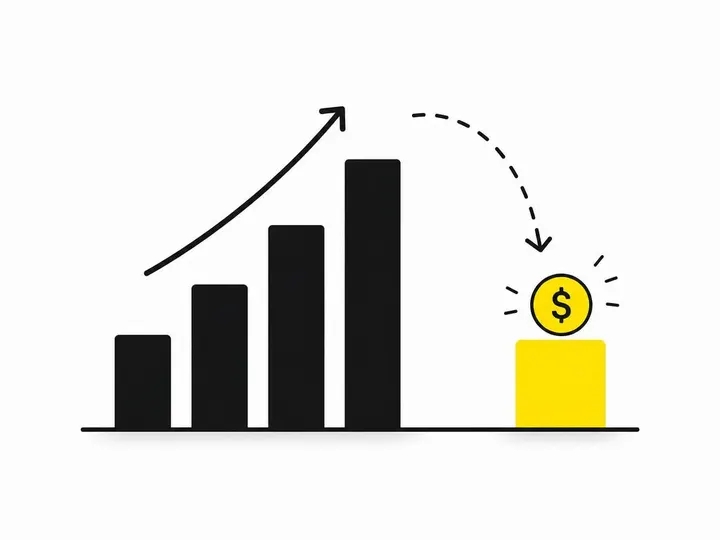
The metrics that actually matter are cost per enquiry, enquiry-to-lead conversion rate, and lead quality, not just clicks or impressions.
Set up a Facebook Pixel on your website before you run ads. The Pixel tracks when someone clicks an ad, visits your website, completes a form, or makes a phone call. Without the Pixel, you're flying blind. Connect your Meta Ads Manager to your Pixel and track conversions in real time.
Watch these metrics weekly:
Cost per enquiry: Total spend divided by enquiries received. Should be under $45 for most Australian markets.
Conversion rate: Percentage of people who see your ad and complete a form. Aim for 3 to 8 per cent.
Quality score: Are the enquiries qualified? Track how many convert to showings or offers, not just form fills.
Return on ad spend (ROAS): If you're tracking completed sales in the Pixel, calculate ROAS by dividing revenue by ad spend. A 5 to 1 ROAS ($5 revenue per $1 spent) is strong for real estate.
Common mistakes that waste ad spend include:
Running ads without a Pixel, so you can't track what happens after the click
Targeting too broadly (all of Australia instead of your local market)
Not pausing underperforming ads quickly enough
Neglecting to follow up property enquiries within 24 hours, so even good leads go cold
Running the same ad for months without testing new creative
Should You Run Facebook Ads Yourself or Hire Someone?
DIY works if you have time to learn Meta Ads Manager, test creative, and monitor performance weekly. Hiring a specialist works if you want consistent results without the learning curve.
Learning takes time. Meta Blueprint certification materials are free and thorough, but it takes 10 to 20 hours to get comfortable. If you're willing to invest that time and you're only running one or two campaigns, DIY is fine. Track your results, adjust weekly, and expect your first month to be a learning curve.
If you want campaigns optimised from day one, or if you're running multiple properties and need fast turnaround, hire someone. A specialist brings experience with Facebook and Instagram ads for real estate agents and knows what targeting and creative work in your market. Agency fees typically run $300 to $1,000 per month for management plus your ad spend. For most agents, that's money well spent if it cuts your cost per enquiry by 20 to 30 per cent.

Conclusion
Facebook ads are worth running for real estate agents in 2027, but only if you use Lead Generation ads or video, target narrow geographic areas and in-market audiences, and measure cost per enquiry honestly. A $500 to $1,500 monthly budget is realistic for testing, and you should expect cost per enquiry between $15 and $45 depending on your market.
The biggest mistake is setting ads live and forgetting about them. Campaigns need weekly attention to pause underperformers, test new creative, and optimise targeting. If you don't have time for that, hire someone. Either way, start small, measure everything, and scale only when the numbers prove the ads are working.
Your next move: set up a Facebook Pixel on your website, gather 10 to 20 past client email addresses to upload as a Custom Audience, and allocate a small test budget to one targeted campaign for two to four weeks. You'll have real data to decide whether Facebook ads belong in your marketing mix.