Facebook Ad Creative Ideas for Small Business in Australia (2026)
On this page 8 sections
Key takeaways
- Static images often outperform video for small business ads
- Before-and-after photos are low-cost and high-converting
- Customer review ads build trust faster than brand claims
- Mobile-first creative with bold overlays lifts click-through rates
- Test 3 to 5 creative variations before scaling ad spend
Most small business Facebook ads disappear into the feed because they look like everything else. Your audience scrolls past hundreds of ads every day, and the ones that stop them stand out because they're real, specific, and solve a problem in a single glance. The good news is you don't need a fancy photographer or videographer to create ads that work. We're going to show you exactly what types of creative actually convert for Australian tradies and small business owners, and how to test them without burning your budget.
Why Most Small Business Facebook Ads Blend Into the Feed
Your ads aren't failing because of where you run them. They're failing because they look too polished, too generic, or too much like an ad. When someone's scrolling through their mates' holiday photos and a glossy stock image of a happy tradesman appears, they know it's an ad and keep scrolling. The ones that stop the scroll are the ones that feel real.
The three reasons local ads get ignored
First, there's no relevance trigger. An ad about "general carpentry services" doesn't tell your local customer what problem you solve for them specifically. Second, the creative doesn't stand out because it looks like it was made by every other tradie in Australia. Third, there's no sense of urgency or specificity. A generic image of finished work doesn't create the same pull as a before-and-after that shows the transformation, or a deadline that makes someone act now instead of later.
What 'scroll-stopping' actually means for a tradie or local business
Scroll-stopping means your ad makes someone stop their thumb and look at it, even for two seconds. For local businesses, that's usually because the ad shows a result they want (a clean bathroom renovation), mentions their suburb (so they know it's local), or shows a real customer review that sounds like their mate wrote it. Running Facebook ads for local service businesses means you're competing with personal content, not national brands. Your edge is specificity and authenticity.
The Best Ad Formats for Small Businesses on a Tight Budget
You don't need every format Meta offers. You need the ones that deliver results without requiring a production crew, a drone, or a three-figure creative spend.
Static images: still the workhorse of local advertising
Static image ads are the backbone of small business Facebook marketing in 2026. Sixty-five percent of high-performing ads use simple static images over video, and for good reason: they load instantly, they work on every device, and you can make them on your phone. A single image with clear text overlay, good contrast, and a single message outperforms jumbled, busy creatives every time. Your phone camera is good enough. Your before-and-after of a kitchen renovation, a customer holding a finished product, or a close-up of your work all work better than stock photos.
Carousel ads: show multiple services or products without extra spend
Carousel ads let you show up to 10 images in a single ad, and each one can have its own link. For a tradie, this means showing five different bathroom finishes and letting customers click the one they like most. For a product business, show your three most popular items. You don't need new photos; use the ones you've already got. Carousel ads naturally get higher engagement because people interact with them like a mini-gallery, which Meta's algorithm rewards.
Short-form video shot on your phone
Video doesn't have to be edited, polished, or longer than 15 seconds. A 10-second phone video of you explaining how your process works, walking through a job site, or showing a customer's reaction to finished work beats a three-minute production every time on Facebook and Instagram. The authenticity matters more than the production quality. Shaky, real, and specific beats smooth, generic, and professional.
7 Practical Facebook and Instagram Ad Creative Ideas
Here are seven creative angles proven to work for Australian local businesses and tradies. Each one is something you can make yourself in under an hour.
1. Before-and-after shots
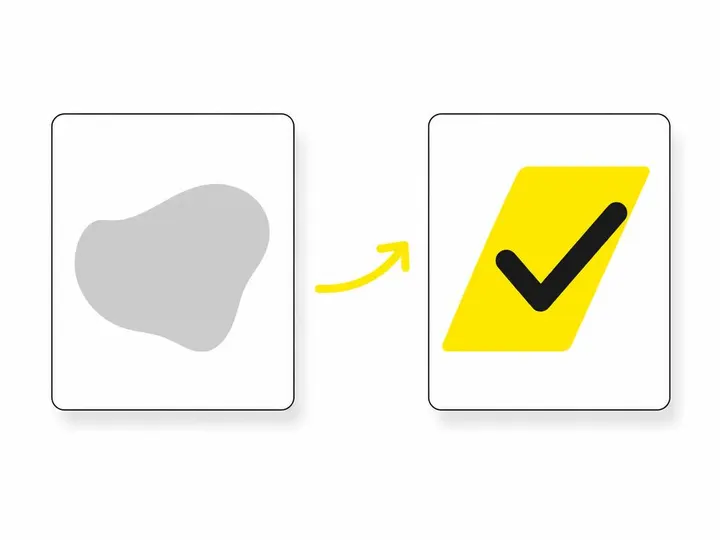
How to use before-and-after photos in your ads is one of the highest-converting creative formats available. Before-and-after images are visual proof of what you deliver. Side-by-side photos of a kitchen, bathroom, garden, or service transformation stop the scroll because someone seeing that result might be the person who needs it next week. Use landscape orientation, make sure the lighting is consistent between both shots, and consider adding a simple text overlay: "Your [space] transformation starts here."
2. Customer review or testimonial graphics
Take a real customer review from Google or Facebook and turn it into a graphic. White text on a coloured background, the customer's name and suburb, and maybe a star rating. A review that says "Fixed our leaky tap in 20 minutes, couldn't fault the service" in red text on a navy background is far more believable than your own copy. People trust other customers more than they trust your marketing.
3. The 'problem-agitate-solve' static ad
Headline: "Fed up with a broken fence?" Body: "Wind damage, rot, or just an eyesore?" Call to action: "Book a free fence inspection." Simple headline, single problem, single solution. Writing Facebook ad copy for local businesses works best when you're solving one problem, not pitching ten.
4. Local landmark or suburb name drop
Create a graphic that says "Trusted by families in Cronulla for 12 years" or "Servicing Parramatta and surrounds." Seeing your suburb name in an ad makes it feel personal, not national. Local businesses win on locality, not on big budgets. Use a photo of your local area in the background and bold text with your suburb across the front.
5. Behind-the-scenes work-in-progress content
A photo of your team mid-job, your tools laid out, your van loaded for a job, or your workshop in action. This is authenticity that stock photos can never deliver. People want to work with real people, and seeing your actual workplace and team builds trust faster than a polished branding photo.
6. Limited-time offer with a deadline
Create urgency with a simple graphic: "Gutters cleaned and sealed: $299 (Offer ends Sunday)." Specific offer, specific deadline, specific price. This format works because someone who's been thinking about getting their gutters cleaned suddenly has a reason to call today instead of next month. Use a bold colour (red or orange works well), large text, and make sure the deadline is clear.
7. UGC-style phone video walkthrough
User-generated content (UGC) ads are created to look like a customer's video, not a brand's video. Film yourself (or have a staff member) walking through a job, tapping on finished surfaces, or explaining your service like you're showing a mate. No script, no perfection, just real. This format drives engagement rates that polished video can't touch, and it's the easiest thing to film on your phone.
Mobile-First Creative: The Non-Negotiable for Australian Audiences
Ninety-three percent of Australians access Facebook and Instagram on mobile devices, so every ad you create must look great on a phone screen first and everything else second.
Text overlay rules that improve readability
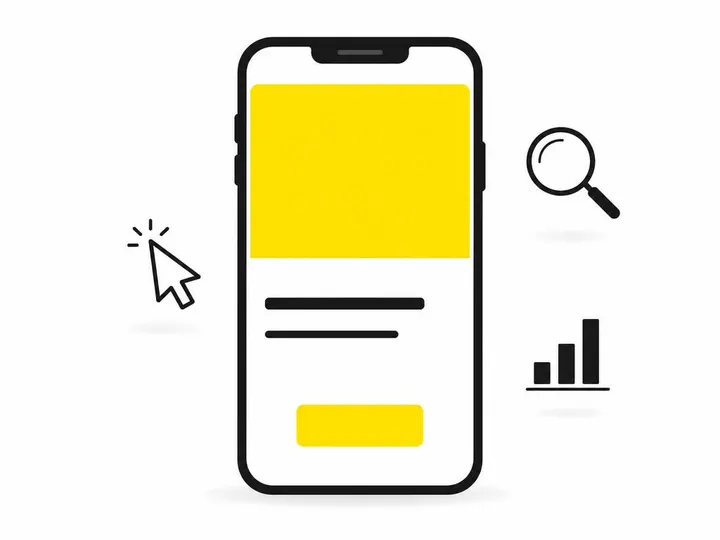
Keep text overlays to 10 to 15 words maximum on static images. Use high contrast (white text on dark backgrounds, dark text on light backgrounds). Avoid thin fonts; bold and heavy fonts read better on small screens. Place text in the centre or bottom third of the image, not spread across the whole image. Test every ad by looking at it on your phone before you publish.
Aspect ratios and sizing for Facebook and Instagram in 2026
Use 1.91 to 1 (landscape) for Feed ads and Reels, 4 to 5 (portrait/vertical) for Stories. Square (1 to 1) works for carousel ads. Meta's algorithm favours vertical video now more than ever. If you're shooting video, shoot it vertical from the start, not horizontal. Anything that doesn't match these ratios will look cropped or stretched and will perform worse.
How to Test Your Ad Creative Without Wasting Money
Testing creative doesn't require a huge budget or a marketing degree. It requires a simple system and the willingness to pause ads that aren't working.
A simple A/B testing framework for small budgets
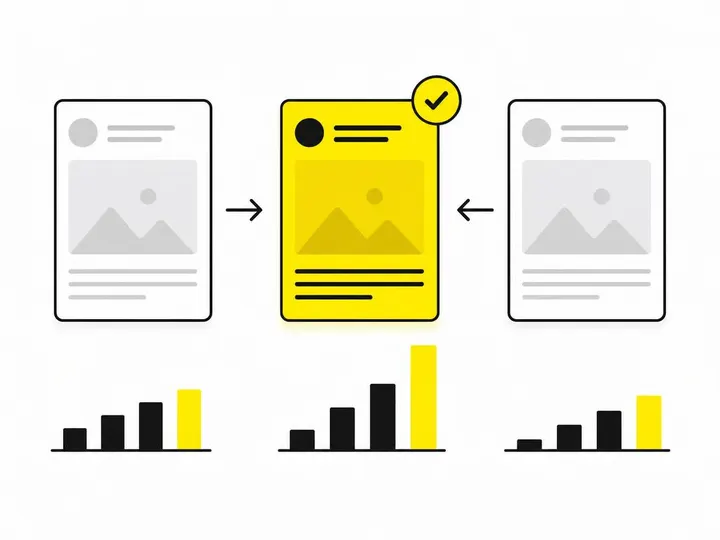
How to A/B test ad creative on Meta means running two slightly different versions of an ad to the same audience and measuring which one performs better. Start with $10 to $15 per day per ad variant. Test one thing at a time: the image, the headline, or the call to action, but not all three. Run each test for at least 3 to 5 days to gather enough data. Once you have a winner, pause the loser and create a new test against the winner. This is how you build a bank of high-performing creatives without burning through your budget.
The metrics that tell you if your creative is working
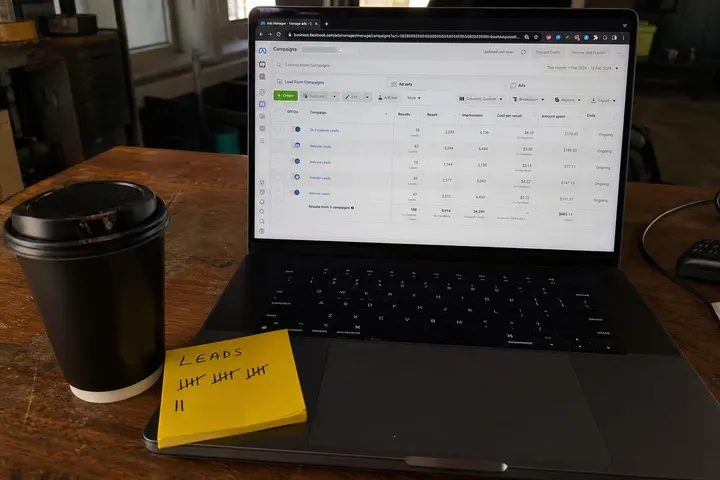
Focus on click-through rate (CTR) and cost per click (CPC). If your CTR is below 1 percent, your creative isn't stopping the scroll. If your CPC is higher than your target lead value divided by your conversion rate, it's not worth running. For example, if you close 20 percent of qualified leads and each customer is worth $2,000, your target CPC should be under $20. Track these numbers in a simple spreadsheet. Meta Ads Manager shows them automatically; just screenshot them or export the data weekly.
Common Creative Mistakes That Kill Ad Performance
Most failing ads fail because of one of three mistakes.
Too much text, too many messages
If your ad is trying to sell five different services or has more than 15 to 20 words of copy, it's too much. Your audience has two seconds. Use one message, one benefit, one call to action. "Book your kitchen renovation now" beats "We offer kitchen, bathroom, and outdoor renovations with free quotes and 25 years of experience."
Using stock photos nobody trusts
Generic stock images of smiling workers in hard hats or fake before-and-afters don't work. Real photos of your actual work, your team, and your genuine customers convert better every time. If you must use an image you didn't take, use Meta's library of royalty-free images designed for small businesses, not generic stock photo sites.
Sending clicks to a page that doesn't match the ad
If your ad says "Book a free gutter inspection," but the link sends people to your generic home page, they'll leave. Where to send your Facebook ad clicks matters as much as the creative itself. Send ad clicks to a landing page or a form that matches the offer in the ad. This consistency lifts your conversion rate and lowers your cost per lead.
Putting It All Together: Your First Week of Creative Testing
Start small and systematic. Choose one service or product. Create three different static image ads this week: one before-and-after, one customer review graphic, and one behind-the-scenes image. Set each one to run at $10 per day to the same audience (your local area). Let them run for 5 days. Check your CTR and CPC on day five. Pause the worst performer. Create a new creative against the winner and repeat. What to budget for Facebook ads in Australia means that even $50 per week can teach you what works if you test smartly and pause losers quickly. After four weeks of testing, you'll have one or two creatives that you know convert, and you can safely increase your budget on those winners.
Conclusion
Facebook and Instagram ads for Australian small businesses don't require professional photographers, expensive production, or guesswork. They require real images, one clear message, mobile-first design, and the discipline to test and pause underperformers. The best ad creative you can make is something authentic: your actual work, your actual customers, your actual voice. Start with static images and short phone videos because they're cheap, fast, and proven to work. Test one variable at a time, track your click-through rate and cost per click, and let the data tell you what works, not your gut.
The tradies and small business owners winning on Meta right now aren't the ones with the biggest budgets or the fanciest creatives. They're the ones who've figured out what their local audience actually responds to, and they keep doing more of that. Your first test ad should be live this week, not next month. Start with what you have, measure what works, and double down on the winners.