Meta Ads Creative Testing for Australian Tradies: What to Test and When to Refresh
On this page 7 sections
Key takeaways
- Creative fatigue typically sets in after 2 to 3 weeks of consistent exposure
- Test 3 to 5 variations per audience with at least $10 to $15 per day each
- Video ads sustain engagement roughly 40% longer than static images
- Testimonial videos tend to outperform before-and-after stills on lead quality
- Watch frequency above 3 and falling CTR as your refresh trigger signals
Ad fatigue is costing Australian tradies real money, and most don't realise they're showing the same tired creative to the same audience week after week. When your potential customer base is already small and local, that repetition kills your click-through rate and inflates your cost per lead fast. The good news: creative testing and a simple refresh rhythm can cut through the noise and keep your Meta Ads pulling steady leads without burning through budget.
Why Ad Fatigue Hits Tradies Harder Than Most
Ad fatigue destroys ROI because your audience pool is genuinely smaller than a national retailer's. If you're a plumber, electrician, or builder targeting a five to ten kilometre radius around your service area, you're not showing ads to millions of people; you're cycling the same 50,000 to 100,000 prospects repeatedly. That means your ads get burned out faster, and when frequency climbs, people start ignoring them or marking them as irrelevant.
Small local audiences get saturated quickly because there's nowhere else to go. If someone's already seen your "quality plumbing at fair prices" ad four times in a week, the fifth time they're not clicking it. They're scrolling past or reporting it. Meta sees that low engagement, and its algorithm starts charging you more to reach anyone else. Before you know it, your cost per lead has doubled, and your whole month's marketing budget is half spent with nothing to show for it.
The numbers tell the story. Most Australian tradies running Meta Ads for tradies start with a solid 2.5 to 3 percent click-through rate in the first two weeks. By week four, without refreshing the creative, that same ad drops to 0.8 to 1.2 percent CTR. Your cost per lead, which might have been twenty to thirty dollars in week one, balloons to sixty to eighty dollars by week four. That's not a system failure; it's creative fatigue, and it's preventable.
The Four Creative Types Worth Testing
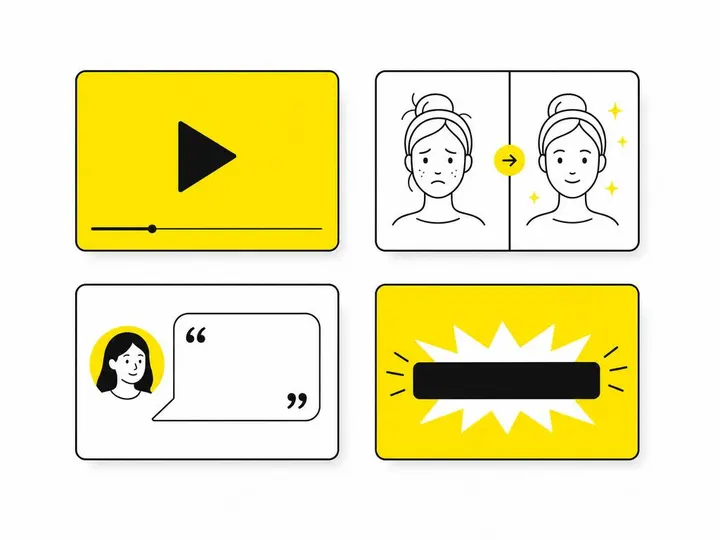
Not all creative performs equally on Meta, and tradies especially benefit from testing specific formats that build trust and show real work. Video ads stay strong roughly forty percent longer than static images before fatigue sets in, which gives them a real advantage in your testing rotation.
Hook-led text and image ads work when you nail the headline. Your hook needs to address a specific pain point (leaky tap, broken downlight, cracked render) and promise a fast solve. Pair that with a clear before image if you have one, and test different hooks against each other. One might say "Tap fixed same day," another might say "No call-out fee for emergency plumbing." Track which hook gets clicked more, and kill the loser.
Job-site video footage is gold because it builds confidence. A thirty to sixty second clip of you actually doing the work, talking through what you're fixing and why, beats a polished studio ad every time for trades. Clients want to see competence in action, not marketing speak. Film on your phone, keep the lighting natural, and let the work speak.
Before-and-after posts for tradies convert genuinely well because they're proof. A kitchen before renovation and after renovation, a bathroom retile, a full house repaint: these ads don't need a hard sell. The transformation does the selling. Test before-and-after stills, and test before-and-after video reels. Video typically outperforms static here by twenty-five to thirty-five percent in lead quality.
Customer testimonial videos are underused and powerful. A happy client on camera saying "This electrician found the fault in ten minutes, and the price was half what the other quote was" carries more weight than anything you write yourself. These are your best trust-builders, and they age slower; testimonials don't fatigue the way your own "call us now" message does.
How to Structure a Creative Test Without Blowing Your Budget
Testing doesn't mean burning money on dozens of variations; it means being deliberate about what you run and for how long. Start by deciding how many variations to run at once. Three to five creative variations per audience is the industry standard; anything more dilutes your data, and anything less doesn't give you meaningful comparison.
Your minimum daily spend per creative needs to be high enough to gather real data. Industry practice for small local budgets is ten to fifteen dollars per day per creative. If you're running five variations, that's fifty to seventy-five dollars a day minimum, or roughly 350 to 525 dollars a week for a proper test. That's not tiny, but it's how you actually know what works instead of guessing.
What to actually measure is clear: click-through rate, cost per lead, and lead quality. CTR tells you whether the ad itself grabs attention. Cost per lead tells you whether it's efficient. Lead quality tells you whether those leads are worth pursuing (this is where stopping fake leads from Facebook Ads becomes critical; you want real job prospects, not spam). Track all three in Meta Ads Manager, and after two to three weeks of data, kill the bottom two performers and double down on the top performer while introducing one new variation.
When to Refresh Your Ads: The Practical Signals
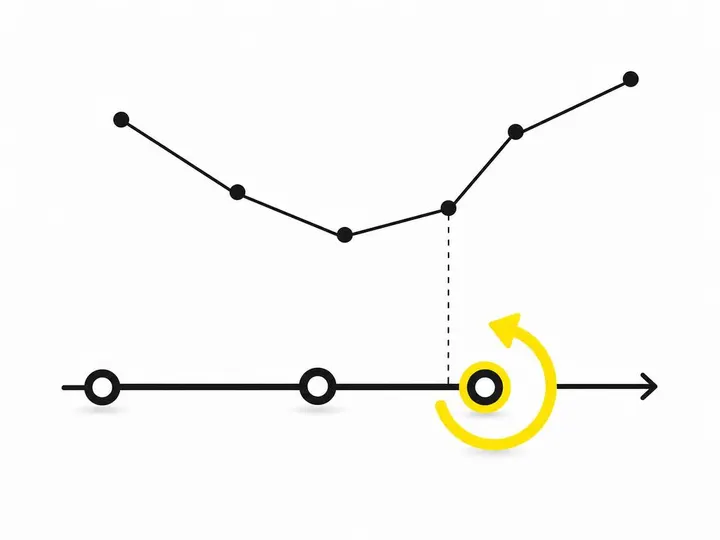
You don't need to guess when your ad is fatigued; Meta Ads Manager shows you the warning signs in your frequency, CTR, and cost per lead metrics. Frequency is the average number of times the same person has seen your ad. When frequency hits three to four per week and your CTR starts dropping below one percent, refresh is due. Cost per lead climbing above your initial benchmark by more than twenty-five to thirty percent is another clear signal.
A simple refresh schedule for tradies means this: rotate your creative every two to three weeks. Week one, launch five variations. Week two, gather data. Week three, kill the weak ones and test one or two new angles. Week four, repeat. This rhythm keeps your ads fresh without exhausting your creative production. You don't need a new photo shoot every week; you're testing different copy, different hooks, different angles on the work you've already got.
Some creative lasts longer than others. Testimonial videos and proven before-and-after transforms can run five to six weeks before fatigue kicks in. Your generic "call us for a free quote" static ad might be done in two weeks. Track each piece separately in Ads Manager, and refresh accordingly.
Shooting Creative on a Smartphone: What Actually Works
Most Australian tradies don't have a film crew or a marketing department, so your smartphone is your camera. Job-site video tips for non-filmmakers are straightforward: use natural light, film horizontally for mobile viewing, and keep clips between thirty and sixty seconds. Show the actual problem, your hands solving it, and the result. Talk through what you're doing, even if it's just to yourself. People respond to authenticity more than polish.
For before-and-after content, take the before shot when you first arrive, and the after shot when the job's done. Light both the same way if you can; consistency matters. If you're filming video, a quick pan of the problem, your work in progress, and the finish is enough. You don't need transitions, music, or graphics.
Getting testimonials from happy clients is easier than most tradies think. Ask a client before you leave the job: "Would you be happy to do a quick video testimonial for us? Just talk about what the problem was and how we fixed it. Thirty seconds, that's it." Most will say yes. Film it right there on your phone, outdoors if possible. Their genuine words on camera beat any ad copy you'll write.
Store all your clips and photos in one folder, dated and labelled by project type. When you're ready to test a new creative batch, you've got material ready. This job-site Reels ideas for tradies guide covers smartphone filming in more depth if you want to level up further.

Putting It All Together: A Tradie Creative Testing Workflow
A week-by-week testing rhythm keeps you consistent without overwhelming your schedule. Monday of week one, brief your five creative variations to Ads Manager (or build them in advance). Let them run. By Thursday of week three, log into Ads Manager and pull your results. Which creative has the best CTR and lowest cost per lead? That's your winner. Kill the bottom two. On Friday, brief two new variations and launch them Monday of week four. Run those alongside your winner for the next two weeks. Repeat.
Keeping a creative log is essential. Write down each creative's hook, format (video, image, testimonial), launch date, and final performance numbers. After three months, you'll see patterns. Maybe job-site video always outperforms static images. Maybe testimonial hooks convert better than promotional hooks. That data becomes your playbook for future campaigns.
Start small if you're new to this. If your total ad budget is 300 to 400 dollars a month, run two variations, not five. Test them for three weeks each, measure results, and refresh one. Build from there. The key is consistency: test, measure, refresh, repeat. Don't let the same tired ad run for eight weeks just because you're busy. Fatigue costs more than the effort to refresh.
Conclusion
Creative fatigue is invisible until it's too late; your Meta Ads Manager dashboard will show declining CTR and rising cost per lead, but by then you've already burned budget on an exhausted ad. The fix is simple: test deliberately, measure what matters (CTR, cost per lead, lead quality), and refresh on a two to three week cycle. You don't need a film studio or a copywriter; your smartphone, real job footage, and happy customer testimonials are enough.
The core truth is this: your local audience is smaller than you think, and repetition kills faster in a small pond than in a big one. By rotating your creative regularly and tracking your metrics in how much Meta Ads cost in Australia context, you keep your ads fresh, your CTR healthy, and your cost per lead reasonable. Start a testing rotation this week, log your results, and you'll be ahead of ninety percent of tradies running ads on Meta.