Meta Ads Learning Phase: How Long Should Australian Tradies Wait Before Making Changes?
On this page 8 sections
Key takeaways
- The learning phase lasts roughly 7 days or 50 conversions, whichever is first
- Making significant edits resets the learning phase clock each time
- Low budgets can trap tradie campaigns in learning phase indefinitely
- Monitor cost per lead trend, not daily spikes, during this period
- Patience during learning phase leads to more stable, lower-cost leads
Meta's learning phase is the first stretch of time after you launch an ad campaign when the algorithm is working out who to show your ads to and what message resonates. For Australian tradies, understanding how long to wait before making changes can be the difference between a campaign that finds its rhythm and one that gets tangled up in repeated resets. Pull the plug too early and you waste the optimisation work. Leave a truly broken campaign running too long and you burn budget on nothing. This article tells you exactly how long to actually wait, what changes will reset the clock, and when it's genuinely time to act.
What Is the Meta Ads Learning Phase?
The learning phase is the first period after you launch a Meta ad campaign during which the algorithm collects data about which people convert and then uses that information to improve where it places your ads. During this time, Meta is essentially running experiments: showing your ad to different audiences, different times of day, different placements, and watching which combinations actually lead to your desired outcome (a phone call, a form submission, a quote request).
How Meta's algorithm learns who to show your ad to
When you run Meta ads as a tradie, you give Meta a conversion event to optimise for. That might be a lead form submission, a phone call, a website purchase, or a visit to a specific page. Meta's algorithm then starts showing your ad to people in your Advantage+ audience and watching what happens. Every time someone takes that action, Meta records it and notes the person's characteristics: age, location, device type, time of day, interests. Over time it starts to see patterns. "People aged 35 to 55 in Parramatta who look at home renovation content are more likely to contact this electrician." That's what Meta is learning during this phase.
Why performance looks rough in the first few days
In the first 24 to 48 hours, your cost per lead (CPL) or cost per acquisition might be 50 percent higher than it will eventually be. That's because Meta hasn't narrowed down who the right people are yet. It's still casting a wide net. You might see 20 clicks and no conversions in day two, then suddenly five conversions in day five. That's not a sign your campaign is failing; it's a sign Meta is gathering the data it needs to get better at targeting.
How Long Does the Learning Phase Actually Last?
Meta's learning phase ends when you hit either 7 days of consistent data or 50 conversions, whichever comes first. For most Australian tradies, it's the 50-conversion benchmark that matters because collecting 50 conversions might take two to three weeks, not one week.
The 7-day rule and the 50-conversion benchmark
If you spend $5,000 in the first week and get 60 lead form submissions, your learning phase ends when you hit day 7 OR conversion 50, whichever happens first. In that example, it would be around day 6 when you cross 50 conversions. But if you spend $500 in that same week and only get 8 conversions, you're still in the learning phase on day 8 because you haven't hit the 50-conversion threshold yet. Meta's official learning phase documentation confirms this, though many tradies misread it as meaning the learning phase always ends after a week. It doesn't.
Why Australian tradies with smaller budgets often take longer
A plumber spending $50 per day will take roughly 10 to 14 days to get 50 conversions at an average CPL of $30 to $40. That tradie is in the learning phase for nearly two weeks. A larger home renovation company spending $300 per day might hit 50 conversions in three to four days. Budget size directly affects how quickly you exit the learning phase, which is why setting up Meta ads correctly in Australia includes planning your budget around this reality.
What Counts as a Significant Change That Resets Learning?
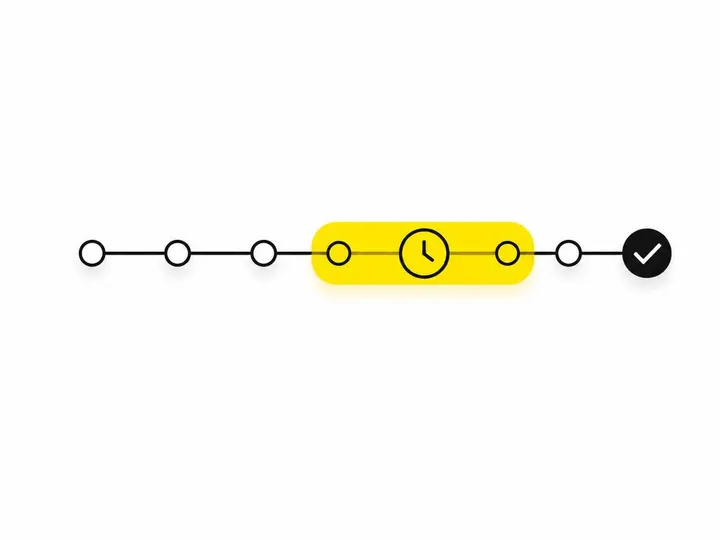
The moment you make a significant change to a live campaign, Meta's learning phase resets. You go back to day one and zero conversions counted towards the 50-conversion benchmark. This is why so many tradies accidentally trap themselves in a cycle of never-ending learning phases.
Changes that will restart the clock
If you change your audience (location, age, interests, or Advantage+ settings), pause and resume the campaign, adjust your bid strategy, change your conversion event, alter your daily budget significantly (more than 20 percent), or swap out your primary ad creative, you reset the learning phase. Each reset adds another 7 to 14 days of suboptimal performance. Making four edits in a month means you spent the entire month in the learning phase instead of exiting it.
Edits that are safe to make without triggering a reset
You can safely edit your ad copy, adjust your headline or description text, change your call-to-action button text, and add or remove secondary images or videos without resetting the learning phase. These are tweaks within the creative, not changes to targeting or optimisation settings. You can also edit your landing page without resetting the campaign itself, as long as the conversion event stays the same.
What Should You Be Watching During the Learning Phase?
Most tradies obsess over the wrong metrics during the learning phase and make changes based on noise rather than signal.
Metrics worth tracking vs metrics worth ignoring
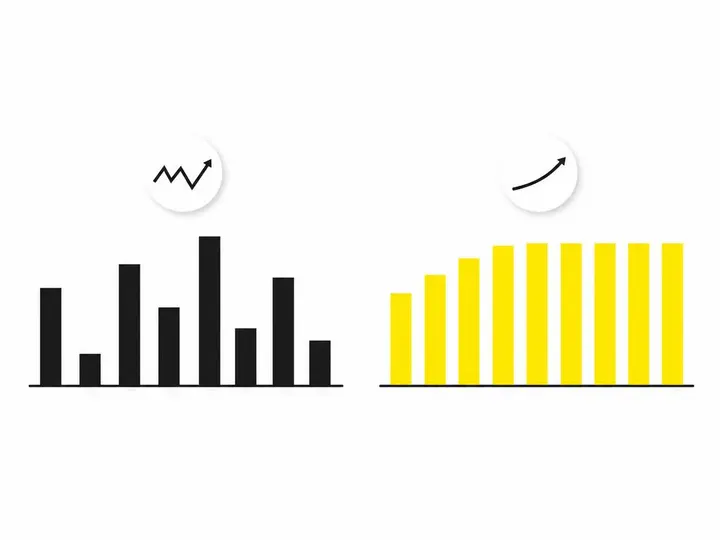
Track spend, total conversions, and cost per lead. Ignore daily fluctuations in your conversion rate, your cost per click, and your click-through rate. On day two you might have a 1.5 percent CTR. On day five it might be 0.8 percent. That's normal variance, not a trend. Watch your cumulative conversions instead. Are you trending towards 50 conversions? Yes? Then the learning phase is working. No? Then something is wrong, but it's not because of day-to-day noise.
Red flags that mean something is actually wrong
By day three, if you have zero conversions despite 100 clicks, something is genuinely broken. Your landing page might not be loading, your conversion tracking might not be set up correctly, or your offer might not match what your ad promised. Similarly, if your conversion cost is 300 percent higher than your historical average or your target, and you're five days in, that's worth investigating. But a slightly elevated cost in the first 48 hours? That's expected.
When Is It Actually Time to Make Changes?
The rule is simple: wait until you've exited the learning phase before making optimisation changes, unless your campaign has a genuine technical problem.
After the learning phase: reading the data honestly
Once you've hit 50 conversions or seven days (and your campaigns have stabilised), you can now assess what's actually working. If your CPL is $65 and your target is $40, that's when you might adjust your audience. If your lead form versus website form is underperforming, you can test the other approach. But not before. Before exit, you're flying on incomplete data.
How to test new creatives without blowing up what's working
After the learning phase ends, test new ad creatives by creating a separate ad set with a small portion of your budget, say 10 to 20 percent. This runs alongside your proven campaign and avoids resetting the winner. Once the new creative exits its own learning phase and proves itself, you can shift more budget to it.
Common Mistakes Australian Tradies Make During Learning Phase
Pulling ads after 48 hours because 'they're not working'
A tradie launches a campaign on Monday, sees three clicks and zero leads by Wednesday afternoon, and turns it off, convinced Meta ads don't work. The campaign never got to day four. This is the most common and most expensive mistake. Your first few days will look messy. That's not failure; that's the algorithm learning.
Starting with a budget too small to exit learning phase
Spending $20 per day on a campaign aimed at collecting leads means you might not get 50 conversions for a full month. By then, external factors (seasonality, competitor activity, market changes) make the data less reliable. Budget at least $50 to $100 per day if you can, so you exit the learning phase in 10 to 14 days instead of 30 days.

Practical Setup Tips to Speed Up the Learning Phase
Choose the right campaign objective from day one
Before you even build your first ad set, decide on your best Meta ads campaign objective for tradies. If you're collecting leads, use the Lead Generation objective. If you want website visits first, use the Traffic objective. If you want conversions (a purchase or a booking), use the Conversions objective. Choosing the wrong objective from the start means your learning phase is optimising for the wrong behaviour. That means restarting with the right objective later, which resets your learning phase.
Consolidate ad sets rather than spreading budget thin
Running five ad sets with $100 each spreads your 50 conversions across five separate learning phases. Running one ad set with $500 gets your 50 conversions in one learning phase. In Meta Ads Manager, use campaign budget optimisation (CBO) and one ad set per audience whenever possible. This lets Meta shift budget automatically to the best performers while you collect conversions faster as a single unit.
Conclusion
The learning phase isn't a bug in Meta's system; it's how the system works. For Australian tradies, patience during this period is worth thousands of dollars in wasted spend or missed opportunities. The learning phase lasts seven days or 50 conversions, whichever comes first. Major changes reset the clock. Small budget campaigns take longer to exit because they collect fewer conversions per day. Ignore daily noise and focus on cumulative trends. Wait until you've exited the learning phase before making optimisation changes, unless your campaign has a genuine technical fault.
The single biggest lever you control is budget. The more you spend during the learning phase, the faster you collect 50 conversions and the sooner Meta's algorithm locks in on who your ideal customers are. A tradie with a $100 per day budget exits the learning phase in roughly two weeks and then has six to eight weeks of optimised data before the next quarter begins. A tradie with a $20 per day budget might still be in the learning phase six weeks in, chasing a moving target. Plan your budget with the learning phase in mind, give your campaigns the data they need to work, and then assess and adjust based on real patterns, not first-week jitters.