How to Set Up Meta Ads for Australian Small Business (and Avoid Common Mistakes)
Key takeaways
- Install the Meta Pixel and verify it before spending a dollar
- Choose Leads or Conversions as your objective, not Engagement
- Budget at least $5 to $15 per day for the algorithm to learn
- Give every campaign two to three weeks before judging results
- Refresh ad creative every two to three weeks to fight fatigue
Most Australian small business owners set up Meta ads, spend $500 to $2,000, see poor results, and never try again. The problem is not Meta itself. It is almost always a handful of preventable setup mistakes that cost you money from day one. Whether you are running meta ads management in Australia yourself or thinking about getting help, this guide walks you through the technical and strategic setup you need to avoid wasting cash, plus the five mistakes that sink most first-time campaigns.
Why Most Australian Small Businesses Get Meta Ads Wrong
Meta Ads Manager is simple to open and complex to master. You can launch a campaign in 15 minutes, but that is exactly why most small business owners end up with flat results. The platform does not force you to set things up correctly. It lets you skip the hard parts and spend money anyway.
The Real Cost of DIY Mistakes
About 40% of first-time DIY Meta campaigns underperform because the owner skipped or misconfigured three things: proper conversion tracking, audience size validation, or budget allocation. A tradié spending $50 a day without conversion tracking might generate 20 leads but have no way to know which ads created them, making it impossible to improve. Six weeks later, they have spent $2,100 and learned nothing. That is not a campaign failure; that is a setup failure.
The real cost is not just wasted spend. It is the lost confidence. You stop trying paid ads and stick with word-of-mouth alone, which caps your growth.
What Meta Doesn't Tell You Upfront
Meta will not tell you that campaigns under AUD $3 to $5 per day rarely accumulate enough data for the algorithm to optimise properly. It will not remind you that audience size matters, or that targeting 50,000 people is not "too broad" but targeting 5,000 might be. It will not warn you that changing your budget, audience, or bid strategy mid-week disrupts learning. Meta wants you to spend. It is your job to spend smart.
Before You Spend a Dollar: Essential Pre-Launch Setup
The technical setup happens before campaign creation. Skip this, and everything downstream fails. This is non-negotiable.
Installing the Meta Pixel (and Why It's Non-Negotiable)
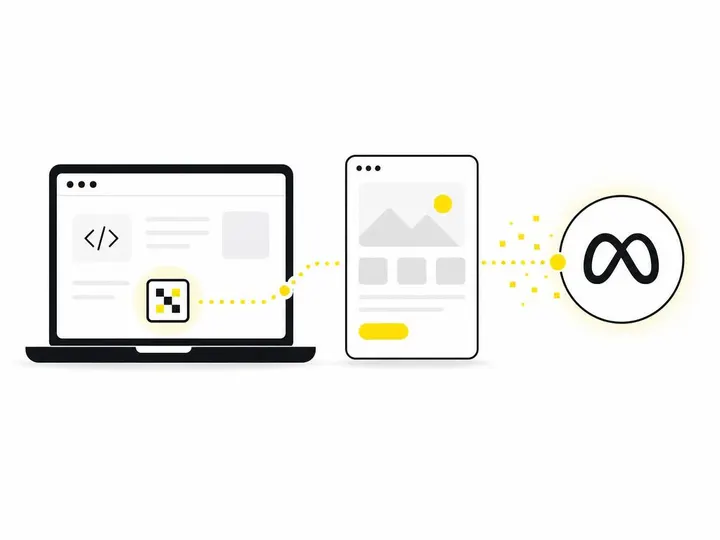
The Meta Pixel is a tracking code that tells Meta what happens on your website after someone clicks an ad. Without it, Meta has no feedback loop and cannot optimise your campaign toward your actual business goal.
Install it through Meta Business Suite (your account dashboard), then verify it is firing correctly using the Meta Pixel Helper browser extension. Test a page visit yourself to confirm tracking works. Many small businesses install the Pixel, assume it is done, and never validate it. Six weeks later they realise it never tracked anything. Use Meta's official Pixel setup guide to get it right the first time.
Setting Up Conversion Events That Actually Matter
Conversion events tell Meta what success looks like. Common events include: purchase, lead form submission, phone call, add-to-cart, or viewable content. For a tradie or local service business, "lead" is usually the right event.
Set up custom conversions for the actions that matter to your business. If your goal is phone calls, create a phone call conversion event. If it is form submissions, create a lead event. Do not just track generic "page views." Meta's algorithm needs clear signals about what to optimise for, and vague metrics lead to vague results.
Business Manager vs Personal Account: Which to Use
Always use a Business Manager account, never a personal Facebook account. Business Manager lets you scale faster, add team members, manage multiple ad accounts, and comply with platform rules. A personal account looks unprofessional to Meta's systems and limits your options later. Set up Business Manager once, link your Business Page and ad account, and you are ready.
Step-by-Step: Setting Up Your First Campaign the Right Way
Choosing the Right Campaign Objective (Hint: It's Probably Not Engagement)
Your campaign objective tells Meta what to optimise for. Engagement is cheap and easy but worthless for a service business. Leads, conversions, and messages are the right objectives for Australian tradies and local services. Meta's campaign objectives documentation outlines each one, but here is the short version: choose Leads if people fill a form, Conversions if they complete a purchase or phone call on your site, Messages if you want chat inquiries.
For most tradies and Meta ads specifically for tradies, Leads is the safest starting point. It is designed for form-based inquiries.
Audience Targeting for Local Australian Businesses
Audience targeting makes or breaks a campaign. Too broad and you waste budget on people who will never buy. Too narrow and you do not accumulate enough data for Meta's algorithm to work.
For a local service business, start with a geo-target (postcode or suburb), age range (usually 18 to 65 for most trades), and interests or job titles relevant to your service. If you are a plumber in Brisbane, target Brisbane postcodes, ages 30 to 70, with interests in home improvement or property ownership. Start with around 50,000 to 200,000 people in your audience size. Smaller audiences are fine if you are very niche, but if Meta warns the audience is too small, expand it.
After your first campaign runs for two to three weeks, you can build lookalike audiences based on your best customers. This lets Meta find similar people automatically, which often outperforms manual targeting.
Budget and Bid Strategy: What Actually Works
Daily budget for local Australian service businesses should start at AUD $5 to $15 per day. This sounds small, but it accumulates $35 to $105 per week, enough for the algorithm to learn. Anything under $3 daily usually fails because there is not enough data. Campaigns targeting a wider area or multiple services can start at $15 to $30 daily.
Use automatic bidding (Cost Cap or Target Cost) rather than manual bids. Automatic bidding lets Meta find the cheapest way to deliver results without you second-guessing the algorithm. If you set a manual bid, you are fighting the system.
Ad Creative Basics: What to Test First
Creative is your ad image, video, headline, and copy. For a first campaign, create three to five variations: a before-and-after image (if applicable), a testimonial or result-focused image, a lifestyle image showing your service in use, and one video. Test different copy angles: one focused on the problem you solve, one on urgency, one on social proof.
Do not overthink it. Real photos of your work beat stock images. A short video of your team or a finished job beats a generic animation. Run all variations in the same ad set so Meta can learn which performs best.
The Five Most Expensive Meta Ads Mistakes (and How to Avoid Them)
Mistake 1: No Conversion Tracking
This is the number one waste of money. Without conversion tracking set up correctly, you have no idea which ads drive real leads or calls. You see clicks and impressions but not business results. Fix it by installing the Meta Pixel and testing it before launch.
Mistake 2: Targeting Too Broad or Too Narrow
Too broad means you reach thousands of people who will never need your service (wasted spend). Too narrow means the audience is so small Meta cannot gather data to optimise. Australia is large; targeting all of Australia for a plumbing service is foolish. Targeting a single postcode might be too small. Test a region or cluster of postcodes first.
Mistake 3: Budget Too Low to Learn
Campaigns under AUD $5 per day rarely work because Meta's algorithm needs data to learn. Running $2 daily and expecting results is like planting one seed and expecting a harvest. Commit to at least $5 to $10 daily for the first two to four weeks.
Mistake 4: Killing Campaigns Too Early
Meta campaigns have a learning phase, usually 7 to 14 days, where the algorithm tests different audiences and placements. During the learning phase, results look bad. Costs per lead are high. Owners panic and kill the campaign. Give it two to three weeks before deciding to scale or pause.
Mistake 5: Ignoring Ad Fatigue and Creative Refresh
Ad fatigue happens when the same audience sees the same ad too many times. Frequency (how often one person sees your ad) should stay under 4 to 5. If frequency creeps to 8 or 10, cost per result rises sharply. Refresh creative every two to three weeks or when cost per lead increases 20% to 30% above baseline.
How to Tell If Your Meta Ads Are Actually Working
Metrics That Matter (and Metrics to Ignore)
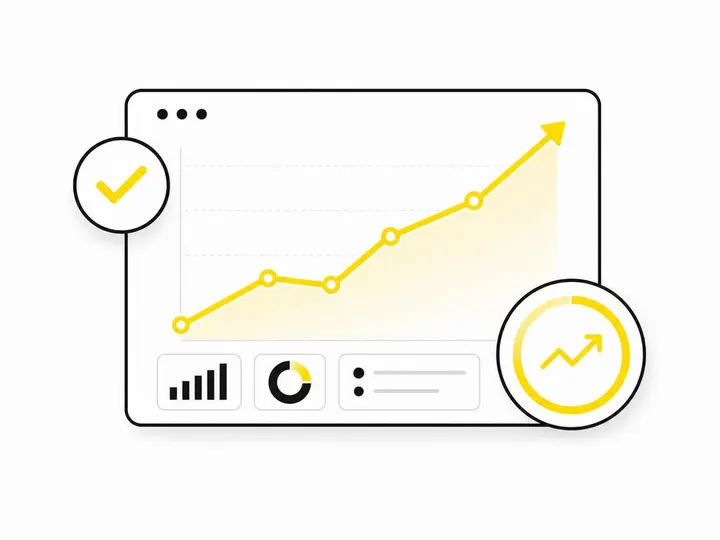
Track cost per lead, leads generated, and cost per acquisition (if you can link leads to actual sales). Ignore click-through rate, impressions, and reach. A high CTR means nothing if those clicks do not convert to leads. Focus only on outcomes tied to your business goal.
What's a Good Cost-Per-Lead for Australian Service Businesses?
Depending on your industry and location, a good cost per lead ranges from AUD $5 to $25 for local services. Plumbing and HVAC services often see $8 to $20 per lead. Home cleaning might be $3 to $10. For what Meta ads actually cost in Australia, benchmark against your own sales: if you convert one in five leads and your average job is worth $500, then a $20 lead cost is fine (assuming the job covers it). Read more about how local service businesses use Facebook ads to see what peers in your industry achieve.
When to Scale, When to Pause, When to Kill a Campaign
Scale a campaign if cost per lead is below your target and you have 20 to 30 leads from it (enough data to be confident). Pause it if costs are rising without improvement; investigate before spending more. Kill it after four to six weeks of underperformance with no sign of improvement. But always test audience and creative changes before killing entirely.
What to Do After Your First Month
Testing New Audiences and Creative
After your first month, you have data. Use it to test. If one ad creative outperformed others, build new variations on that angle. If one geographic area or age group had lower cost per lead, test expanding into similar areas. Run multiple campaigns in parallel so you can compare results.
Retargeting: The Low-Hanging Fruit Most Tradies Miss
Retargeting shows ads to people who visited your website or interacted with your page but did not convert. This is usually cheaper and higher-converting than cold audiences. Set up a retargeting campaign once your initial audience campaign has run for two to three weeks. Target site visitors from the past 30 days with a special offer or testimonial to nudge them toward a call or inquiry.
When to Bring in Professional Help
If after one month your cost per lead is 30 to 50% above target, if audience and creative tests do not move the needle, or if you are spending $1,000 or more and still unsure whether it is working, it is time to talk to a professional. Our Meta ads management service handles setup, ongoing optimisation, and scaling so you focus on delivering the service, not managing ads. Many small businesses find that professional management recovers the investment within one to two months through better targeting and creative.
You can also explore whether to use Google Ads or Meta ads to see if a different platform might work better for your industry.
What Professional Meta Ads Management in Australia Actually Covers
Professional meta ads management in Australia goes well beyond pressing the launch button on a campaign. A qualified manager handles the full picture: Business Manager setup, Pixel installation and testing, audience research specific to your service area, ad creative direction, ongoing split-testing, and clear monthly reporting that ties spend back to real business results like calls and enquiries.
For Australian small businesses and tradies, the practical advantage is speed. An experienced manager avoids the setup errors that cost DIY advertisers weeks of wasted budget. They also read campaign data correctly, knowing when to push spend on a winning ad set and when to cut a poor performer without killing the whole campaign mid-learning.
When comparing providers, look for someone who understands local Australian markets, not just general digital marketing. Audience behaviour in suburban Sydney or regional Queensland differs from global benchmarks. A good manager will set realistic cost-per-lead targets based on your specific trade, location, and average job value, then report against those targets every month.
Ongoing management typically includes weekly performance checks, creative refreshes every two to three weeks to combat ad fatigue, retargeting campaign setup once the initial campaign has enough data, and quarterly strategy reviews. The goal is a predictable, repeatable lead flow rather than a one-off campaign.
Conclusion
Meta ads work for Australian small businesses and tradies, but only when the foundation is solid. Install the Pixel, set up conversion tracking, choose the right objective, and fund properly. Start with $5 to $15 daily, give campaigns two to three weeks to learn, and track cost per lead ruthlessly. Avoid the five big mistakes (no tracking, bad targeting, undersized budgets, early killing, and creative fatigue), and you will generate leads at a predictable cost.
Your first campaign teaches you what works for your business. The second, third, and subsequent campaigns get cheaper and faster because you refine what you have learned. Most small business owners fail on campaign one because they skip setup or panic during the learning phase. Do the work upfront, be patient, and you will outcompete the 40% of DIY campaigns that crash.
The practical takeaway: before you spend your first dollar, validate the Pixel, confirm conversion tracking, choose one clear objective, and commit to a real budget for at least three weeks. That is the difference between a campaign that teaches you something and a campaign that burns money.