Meta Ads Frequency: How Often Should Australian Tradies Change Their Facebook Ads?
On this page 7 sections
Key takeaways
- Refresh creative every 2 to 4 weeks, not monthly or whenever you feel like it
- Watch frequency: above 3 per week signals ad fatigue is setting in
- A CTR drop of 15% or more is a clear sign to swap creative
- Rotate 30 to 40 percent of ads keep proven winners running
- Never rebuild the whole campaign just to fix tired creative
Ad fatigue is killing your tradie Facebook campaigns, and you probably don't even know it's happening. Your ads start performing brilliantly, then within four to six weeks, costs climb, leads dry up, and your return on ad spend tanks. The culprit isn't bad targeting or a broken offer, it's that your audience has simply seen the same creative too many times. The question isn't whether you need to refresh your ads; it's how often, what to change, and how to do it without torching a working campaign. This guide walks you through the practical rhythm of keeping your Meta Ads performing like new, month after month.
What Is Ad Fatigue and Why Should Tradies Care?
Ad fatigue happens when your audience sees your Facebook ad so many times that engagement collapses and costs spike, even though nothing else changed. Your cost per lead rises, your click-through rate plummets, and suddenly you're paying twice as much to get the same result. For tradies running on tight marketing budgets where every dollar has to deliver jobs or service calls ad fatigue is a profit killer.
How Meta's frequency metric works
Meta's frequency metric in Ads Manager tracks the average number of times each person in your audience sees your ad within a given period. It's simple maths: if you're spending $500 a week on a small audience, people will see your ad multiple times. Frequency tells you exactly how many. Meta's official guidance on ad frequency in Ads Manager recommends staying aware of this number because it directly influences performance. Most Australian tradies don't watch it closely enough, which is why they're surprised when suddenly they're paying $15 per lead instead of $8.
What happens to your costs when fatigue sets in
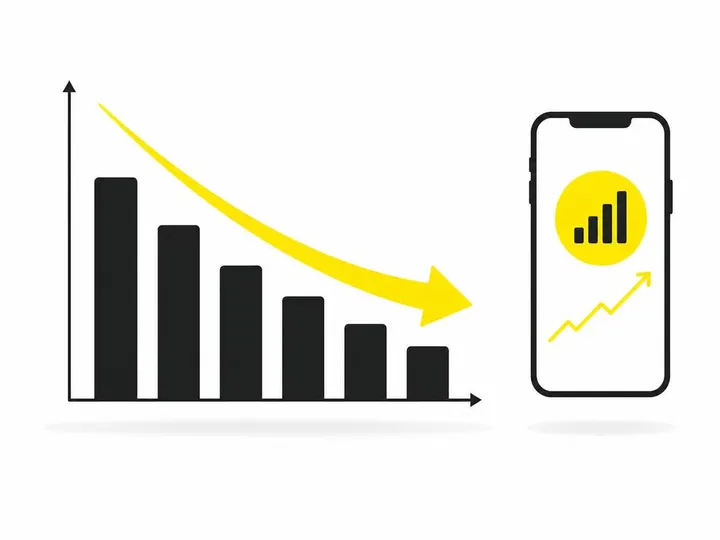
When frequency climbs above 3 per week, your click-through rate (CTR) typically begins to decline. Your cost per thousand impressions (CPM) starts creeping up because Meta's algorithm detects lower engagement and charges more to show the same ad. Cost per lead (CPL) follows, sometimes increasing by 20 to 40 percent within a few weeks of heavy frequency. For a tradie running a $2,000 monthly ad budget targeting a local area, this shift can mean the difference between profitable jobs and wasted spend.
The Warning Signs Your Facebook Ads Have Gone Stale
You don't need to wait for your profit margin to collapse before refreshing ads. Watch for these three clear signals in Meta Ads Manager that fatigue is setting in.
Frequency climbing above 3 per week
If your frequency metric is sitting at 4, 5, or higher, your audience is seeing your ad way too often. That's the first red flag. Check your Ads Manager daily frequency is the easiest metric to spot and the fastest to act on.
CTR dropping by 15 percent or more
A healthy tradie Facebook ad holds a CTR of 1.5 to 3 percent depending on your offer and audience. If your CTR has fallen from 2.5 percent to 2.1 percent or lower, ad fatigue is likely the culprit. This metric alone tells you it's time to refresh.
Cost per lead creeping up without explanation
Your CPL rising from $12 to $15 without a change in bid strategy or audience targeting is a classic symptom. When CPL climbs but your audience size and budget haven't changed much, fatigue is almost always to blame.
How Often to Change Facebook Ads: A Practical Schedule for Tradies
The answer depends on your audience size and spend, but a fortnightly to monthly refresh cycle works best for most tradies. How to test ad creative as a tradie doesn't have to be complicated; small, regular changes beat big overhauls.
The 2-to-4-week refresh rule
Every 2 to 4 weeks, plan to introduce new creative elements into your running campaigns. If you're spending $1,000 to $2,000 per month, refresh your ads every 2 weeks. If you're spending less and targeting a smaller area, every 3 to 4 weeks is fine. This rhythm keeps fatigue at bay without disrupting a profitable campaign.
What to change and what to leave alone
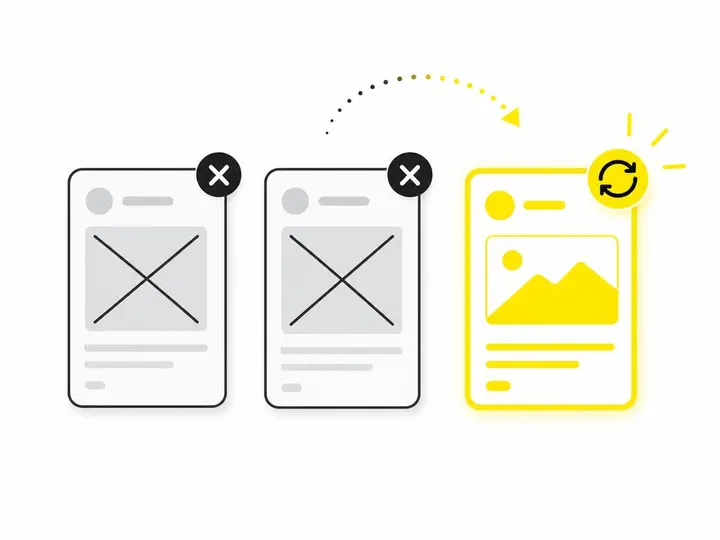
Don't kill your entire campaign and start from scratch. Instead, swap out the creative (image or video), tweak the headline, or change the opening line of your ad copy. Leave the audience targeting, bid strategy, and landing page untouched unless they're already broken. This approach lets you test fresh creative while keeping the proven foundation in place.
Keeping top performers running while testing new creative
Run your best-performing ad at 50 to 70 percent of your budget and test a new variation on the remaining 30 to 50 percent. How to scale Facebook ads as a tradie depends on understanding which ads to keep and which to replace. After two weeks, review performance and either promote the challenger creative to 50 percent or retire it. This way, you're always testing without risking a working campaign.
What to Actually Change in Your Ads (Without Rebuilding Everything)
The most effective tradie ad refreshes follow a priority order. Start with what moves the needle fastest.
Swapping the image or video first
Your image or video is the first thing your audience notices. If you're running the same photo for six weeks, swap it. Use a different angle of your work, a new project photo, or a genuine before-and-after shot. Video performs strongest for tradies in 2026, especially 15 to 30-second clips showing the work in action. If you have only one image, get another one shot and swap it in fortnightly.
Tweaking the headline and opening line
Your headline is the second attention-grabber. If your current headline reads "Local Plumber Sydney," try "Emergency Plumbing Same Day, No Callout Fee" or "Blocked Drain Fixed in 2 Hours." Writing Facebook ad copy for local service businesses means testing benefit-led and urgency-led headlines alongside generic ones. Swap your headline every 2 to 3 weeks, keeping what works and killing what doesn't.
Rotating offers and calls to action
Change your call-to-action (CTA) button and primary offer monthly. If you've been running "Book Now," try "Get a Free Quote" or "Call for Inspection." Vary your offer language: one month emphasise speed ("Same-day service"), the next emphasise price ("Fixed-price guarantee"), the next emphasise quality ("Licensed and insured"). This rotation keeps people who've seen your ads before feeling like they're seeing something new.
A Simple Tradie Ad Refresh Checklist
Save this checklist and work through it every 2 to 4 weeks:
Check frequency in Ads Manager. If above 4, plan a refresh immediately.
Review CTR for the past 14 days. If down more than 15%, refresh creative.
Compare CPL week-on-week. Rising CPL without audience change signals fatigue.
Prepare a new image or video of your work (shoot one every week if possible).
Draft 2 to 3 new headlines focusing on different angles: speed, price, quality, or urgency.
Write a fresh CTA or offer variation.
Duplicate your top-performing campaign ad set and pause 50% of the budget on the old creative.
Allocate 50% of that budget to a new campaign with the new creative, same audience.
Run both for 2 weeks, then compare. Keep the winner, retire the loser.
Common Mistakes Tradies Make When Refreshing Facebook Ads
Most tradie ad fatigue problems aren't caused by fatigue itself—they're caused by the wrong response to it.
Killing the campaign instead of the creative
The worst mistake is pausing your entire ad set because performance dipped. Your audience targeting, landing page, and funnel are probably still working. Only the creative has tired. Pause the ad itself, keep the campaign running with fresh creative, and you'll recover within days.
Changing everything at once
If you change your image, headline, offer, landing page, and audience all in the same week, you won't know what actually moved the needle. Change one element at a time, measure for 2 weeks, then move to the next. How to target the right audience on Meta is a separate strategy from creative refresh; keep them separate in your testing mind.
Refreshing too early out of impatience
Some tradies change ads weekly because they're bored. If your frequency is below 2 per week and your CTR is holding, don't refresh. Let a good campaign run. The goal isn't novelty; it's performance.
Conclusion
Ad fatigue is predictable and preventable. Set a calendar reminder every 2 to 4 weeks to review your frequency and CTR metrics, refresh 30 to 50 percent of your creative, and keep your best performers running. Don't overthink it. Swap your image, test a new headline, and rotate your CTA. Most tradie businesses see costs drop and leads stabilise within days of a proper refresh.
The rhythm of ad management beats the guesswork every time. Monitor your metrics weekly, refresh fortnightly, and you'll spend less per lead while keeping your audience engaged. Start this week: check your current frequency in Ads Manager, note which ad is performing best, and schedule a creative refresh for next Monday. That small discipline compounds into consistent, profitable ad spend month after month.