Meta Ads Placements for Tradies: Where Should Your Ads Appear in 2026?
On this page 6 sections
Key takeaways
- Facebook Feed and Instagram Feed drive the most tradie leads
- Automatic placements work well early but need review after 60 days
- Audience Network often delivers cheap clicks but poor job bookings
- Reels can work if your creative is short, punchy and mobile-first
- Judge placements by cost-per-lead and booked jobs, not clicks
Most tradies running Meta ads have no idea where their ads are actually appearing, and they're bleeding money because of it. You might be paying for clicks on the Audience Network that never turn into jobs, while ignoring Reels placements where your ideal customer is actively scrolling. The wrong placement strategy can cut your job booking rate in half, even if your creative and targeting are spot on.
Why Placement Matters More Than Most Tradies Realise
When you launch a Meta ad campaign, you're not just paying for one place to show your ad. Meta gives you access to Facebook Feed, Instagram Feed, Stories, Reels, Marketplace, and the Audience Network. Each placement has a completely different audience, different engagement behaviour, and radically different odds of turning a viewer into someone who books your job.
The cost difference alone is huge. A click from Audience Network might cost you 30 cents, while that same click from Instagram Feed costs $1.20. But here's the thing: the Audience Network click rarely converts to a lead, let alone a booked job. You're paying less for traffic that's worthless to you. That's why placement strategy matters more than most tradies realise. You need to understand not just where your ads show, but which placements your target customer actually sees and acts on.
The real cost of showing ads in the wrong places
Let's say you're a plumber running a lead generation campaign with a $500 budget. Meta's default setup throws your ads across every available placement. You get 1,500 clicks for that $500. But of those 1,500 clicks, maybe 200 come from Instagram Feed (quality), 300 from Stories (decent), 200 from Reels (growing quality), and 800 from Audience Network (junk for tradies).
Those 800 Audience Network clicks? Most of them bounce without even filling out a form. Your cost-per-lead across all placements looks acceptable on paper, but your cost-per-lead on the placements that actually matter is brutal. You're throwing away 50% of your budget on volume that doesn't convert. If you'd turned off Audience Network and run the same $500 on the good placements, you'd get fewer clicks but significantly more qualified leads and booked jobs.
How Meta decides where your ads appear
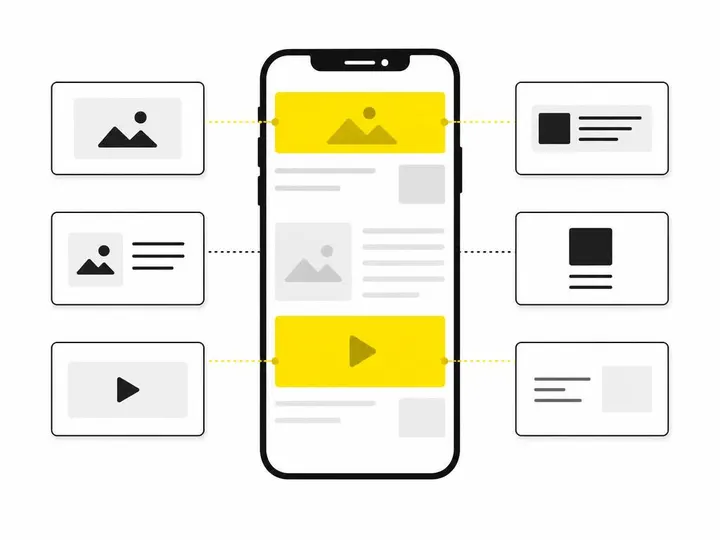
Meta's algorithm picks where to show your ads based on two things: where your audience spends time, and where Meta thinks your ad will perform best. If you use Meta Advantage+ placements (the automatic option), Meta's AI learns which placements drive conversions and shifts your budget toward them over time. That sounds great, but it's a black box. You can't see which placements are working, and you can't pause the ones that aren't.
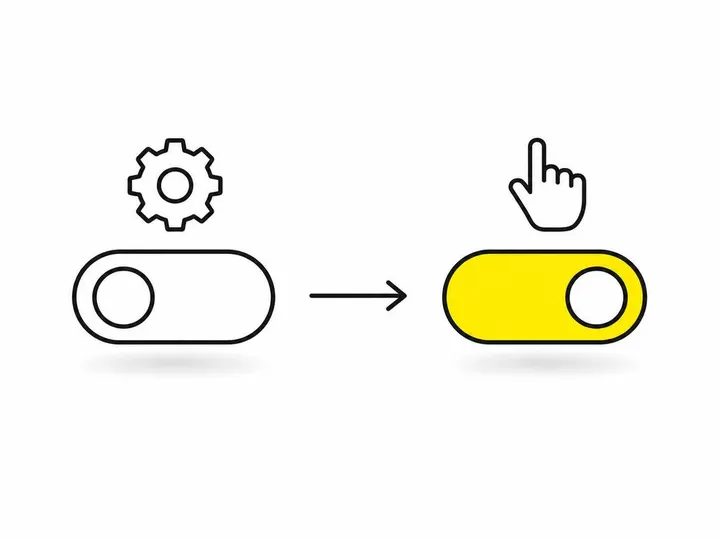
With manual placements, you choose exactly where your ads run. You see performance broken down by placement. You can cut the dead weight and double down on what works. For most tradies, manual placement control is worth the extra five minutes of setup.
A Plain-English Breakdown of Every Meta Placement
Facebook Feed
This is the main scrolling feed on Facebook where posts appear. Your ad shows up right in the feed as users scroll. Facebook Feed performs well for tradies because the audience is often older, more established homeowners with disposable income for home services. Engagement isn't high, but when someone stops to engage, they're usually a genuine prospect. Cost-per-click is moderate to high, but cost-per-lead and job bookings justify it.
Instagram Feed
Similar to Facebook Feed but on Instagram: your ad appears as a square or rectangular post in the main feed. Instagram Feed reaches a younger, more visually focused audience than Facebook, but don't dismiss it. Many homeowners in the 30-to-55 age bracket use Instagram, and they're engaged when they see your work photos or before-and-after videos. Performance is solid for service businesses. Test it in every campaign.
Facebook and Instagram Stories
Full-screen vertical ads that appear between Stories. Stories placements tend to have high volume and lower cost-per-click, but lower conversion rates than Feed placements. For tradies, Stories work best when you're running brand awareness or driving traffic, not lead generation. Many cheap clicks; fewer conversions. Good for reaching younger homeowners and expanding your audience reach, but don't rely on Stories as your primary placement.
Reels (Facebook and Instagram)
Reels are short-form video content, and Reels ads are skippable or non-skippable video ads that appear between Reels. This is the fastest-growing placement, and it's worth testing in 2026. Reels reach a broad audience and engagement is high, but many of those viewers aren't your customer. The CPM (cost per thousand impressions) is higher than Stories but often lower than Feed. For tradies, Reels work if you have strong video creative that stops the scroll. Static images or poorly edited videos will tank on Reels.
Facebook Marketplace
Marketplace is where Facebook users browse local buy-and-sell listings. Your ad can appear in the Marketplace feed. For some tradies (especially those offering materials, tools, or smaller services), Marketplace can work. For most traditional tradies like plumbers or electricians, it's low priority. Test it, but don't bank on it.
Audience Network
This is Meta's off-platform network. Your ads show up on third-party websites and apps that use Meta's ad network. Clicks are cheap because the audience isn't in a social media mindset. For tradies, Audience Network is a trap. Users are distracted, not actively looking for services, and the cost-per-lead and job booking rate are typically poor. We recommend turning it off for direct-response tradie campaigns and only testing it if you're running brand awareness.
Automatic Placements vs Manual Placements: Which Should Tradies Use?
When Advantage+ placements make sense
Meta's Advantage+ (automatic) placement setting tells Meta's algorithm to spend your budget wherever it thinks conversions will happen. In the first 30 days of a campaign with solid creative and targeting, Advantage+ can be faster to optimise than manual selection. If you're new to Meta ads and you choose the right campaign objective (Lead Generation or Conversions), Advantage+ will usually find reasonable placements quickly.
Use Advantage+ if: you're running a first test campaign, you trust Meta's algorithm, and you're willing to accept that some budget goes to low-performing placements. The trade-off is simplicity for control.
When to switch to manual and cut the dead weight
After your campaign runs for 15 to 20 days and you have placement performance data, switch to manual placements. Turn off Audience Network immediately. Keep Facebook Feed, Instagram Feed, and Reels if they're converting. Drop or reduce Stories if cost-per-lead is high. Manual placements give you visibility into which channels drive real jobs, and they let you stop wasting money on volume.
Use manual placements if: you've run Meta ads before, you want to see exactly where your budget goes, or you're scaling a campaign that's already working. Manual control costs nothing and saves money by cutting junk placements.
How to Judge a Placement by Tradie Results (Not Vanity Metrics)
The metrics that actually matter: calls, forms and booked jobs
Your Meta Ads Manager shows you clicks, impressions, CTR (click-through rate), and CPM. Most tradies obsess over these. Stop. For a tradie business, the only metrics that matter are: cost-per-lead, lead quality, and ultimately booked jobs. A placement with a lower CTR but higher conversion rate is better than a placement with high clicks and zero conversions.
Set up your campaign with a direct-response objective: Lead Generation (using Lead Ads with instant forms) or Conversions (tracking form submissions on your website). This way, Meta counts actual leads, not just clicks. Then, in your placement breakdown report, sort by cost-per-lead or conversion value. The placements with the lowest cost-per-lead and highest volume are your winners.
Setting up placement breakdowns in Ads Manager
In Meta Ads Manager, go to your campaign or ad set. Click on the Breakdown button and select Placement. This shows you performance by each placement (Facebook Feed, Instagram Feed, Stories, Reels, Audience Network). Now you see cost-per-result by placement. Placement with $25 cost-per-lead? Keep it. Placement with $150 cost-per-lead? Turn it off. Simple. After two weeks of data, this breakdown tells you everything you need to know about where to spend next.
A Practical Starting Point for Tradie Ad Placements in 2026
Recommended placement setup for a typical tradie campaign
Start with manual placements. Turn on Facebook Feed, Instagram Feed, and Reels. Leave Audience Network off. Distribute your budget evenly (33% Facebook Feed, 33% Instagram Feed, 33% Reels) or skew it toward the placements where your audience spends the most time (Facebook Feed for older homeowners, Instagram Feed and Reels for younger audiences).
Run this for 15 to 20 days. Use audience targeting for tradie ads focused on homeowners in your service area. Pair your placements with a Lead Generation or Conversions objective. Use a clear call-to-action: Get a Quote, Book Now, or Learn More. If you're using Lead Ads, filter out junk leads by requiring a phone number and qualifying questions.
What to do once the data comes in
After two weeks, pull your placement breakdown report. Look at cost-per-lead and conversion rate by placement. If one placement is 2x to 3x cheaper than others, increase its budget by 25% to 30%. If a placement is underperforming, reduce it by 50% or pause it. Keep testing your ad creative within your best placements to keep improving results.
Once a campaign is running steadily, scale gradually. Scaling your Meta Ads campaign works best when you increase budget by 20% to 30% every 7 to 10 days, focusing budget on placements and audiences that are already converting. Track where your tradie leads come from in your phone system or CRM so you can link ad spend back to actual booked jobs, not just lead count.
Conclusion
Placement strategy is one of the easiest wins in Meta advertising for tradies, and most of you are ignoring it. Stop letting Meta throw your budget at Audience Network and underperforming placements. Start with manual placement selection on Facebook Feed, Instagram Feed, and Reels. Run for two weeks, pull your placement breakdown, and cut the dead weight. Focus budget on placements that deliver cost-per-lead numbers that make sense for your business.
The best placement for you depends on your audience, your creative, and your service area. But the process is the same: test, measure by real results (calls, leads, booked jobs), and optimise ruthlessly. In 2026, placements are more customisable than ever. Use that control. Your cost-per-job will drop noticeably once you get this right.