Service Page vs Landing Page: What Should Your Australian Small Business Website Use?

Key takeaways
- Service pages inform and rank; landing pages convert paid traffic.
- Use landing pages for Google Ads and Meta campaigns, not service pages.
- A landing page removes navigation to keep visitors focused on one action.
- Most Australian small business websites need both, used in the right order.
- Sending paid ad traffic to a service page wastes your ad budget.
Most Australian small business owners assume their website needs one thing: a website. What they don't realise is that two completely different page types serve entirely different jobs, and picking the wrong one for your business goal will cost you customers and money. A service page and a landing page look similar at first glance, but they're built for different traffic, different audiences, and different conversion rates. Understanding which one your business actually needs right now will change how you spend your marketing budget.
What Is a Service Page?
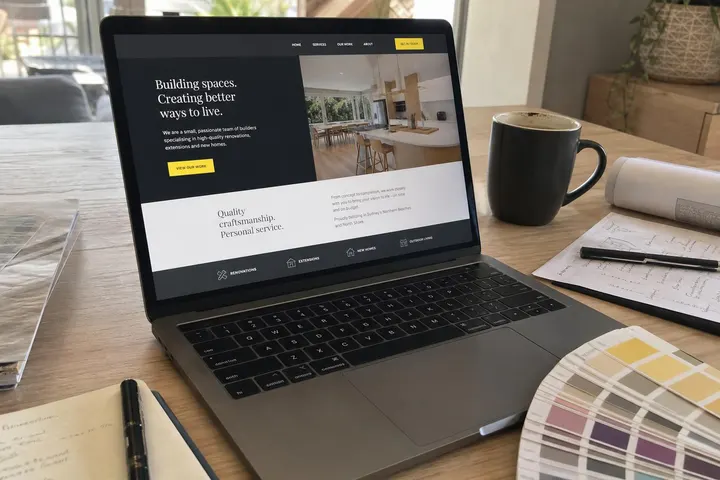
A service page is a permanent page on your website that describes one of the services you offer in detail. It lives in your main navigation, sits alongside your homepage and contact page, and is designed to rank in Google for searches related to what you do. A plumber might have a service page for blocked drains; a tradie might have one for deck builds; an accountant might have one for small business tax returns.
What a service page does for your website
Service pages do three jobs. First, they explain what you offer, how you do it, and why you're better than the competition. Second, they help Google understand your business and rank you higher in search results when someone nearby searches for that specific service. Third, they give visitors who landed on your site through organic search a place to read about that service and decide whether to contact you.
Service pages are meant to be informational and persuasive at the same time. They answer the questions people are actually asking: "What does this service include? How much does it cost? How long does it take? Do you service my area?"
When a service page is the right choice
Use a service page when you want organic search traffic from Google. If someone types "blocked drain plumber in Sydney" and your service page ranks #3, they land on your site already convinced they need what you offer. They just want to confirm you're legitimate and available. A well-written service page with clear contact options will convert that traffic into enquiries. Service pages also work brilliantly for building trust and SEO authority, which is why every serious local business needs them.
The key is that service pages work best when visitors arrive on their own, through a Google search or a link from another site. They're not designed to handle paid traffic the way landing pages are.
What Is a Landing Page?
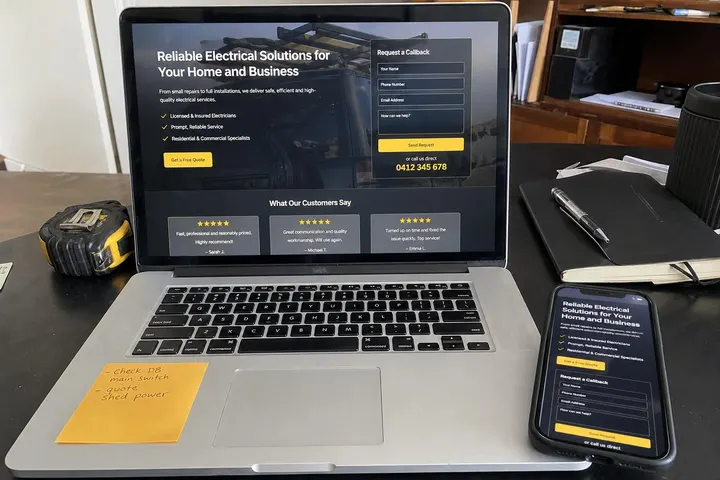
A landing page is a standalone page built for one specific offer, one specific campaign, and one specific conversion goal. It doesn't sit in your main navigation. Visitors don't find it by browsing your website. Instead, they land on it through a paid ad (Google Ads or Meta Ads), an email, or a direct link from a campaign you're running. The moment they arrive, they see one focused message, one clear offer, and one call to action (CTA). Everything on the page points toward that single goal.
How a landing page differs from every other page on your site
Unlike a service page that describes your service broadly, a landing page makes a specific, time-limited offer to a specific group of people. For example: "Get 20% off your deck build this month" or "Free roof inspection for new customers." It's stripped back. No navbar clutter. No links to other pages. No distractions. Unbounce's definition and guide to landing pages sums it up: a landing page is where a visitor "lands" after clicking a specific ad or link, and its only job is to convert them into a lead or customer right then.
A landing page is also temporary. You run it for a campaign, then retire it. You might build a new one for a seasonal offer, a promotion, or a new service launch. By contrast, a service page lives on your site forever and improves in value as it ranks better in Google over time.
When a landing page is the right choice
Use a landing page when you're running paid ads. If you spend money on Google Ads or Meta Ads, sending that traffic to a generic service page is wasteful. Lead form or landing page for your tradie ads explores this trade-off in detail, but the truth is simple: landing pages convert paid traffic 2 to 3 times better than service pages because they match the exact offer the visitor clicked on.
Service Page vs Landing Page: The Key Differences Side by Side
The differences run deep and affect how well each page type performs. Here's what matters in practice.
Purpose and traffic source
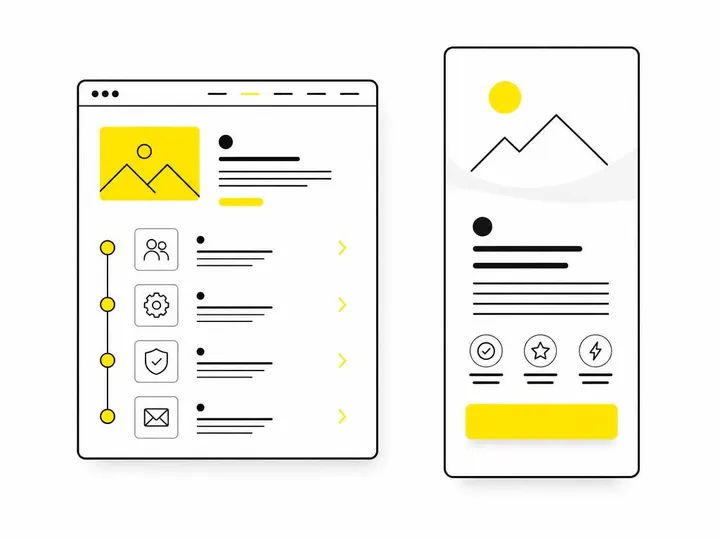
Service page: Explains your service permanently. Designed for organic search. Visitors come through Google or your site navigation.
Landing page: Sells one specific offer now. Designed for paid campaigns. Visitors come through ads or promotional emails.
Design and navigation
Service page: Has a navbar, footer, links to other pages, and feels like part of your website.
Landing page: Minimal or no navigation. One message. One CTA button. Everything else removed.
Conversion rate expectations
Wordstream benchmarks for landing page conversion rates by industry show that well-built landing pages convert at 3 to 5 percent or higher for paid traffic, while service pages typically convert at 1 to 2 percent even for relevant organic visitors. The reason is focus: a landing page removes every distraction and objection in one go.
Which One Should Australian Tradies and Small Businesses Use?
The answer depends on how you're attracting traffic. Most small businesses need both, but they serve different jobs in your marketing machine.
If you are running Google Ads or Meta Ads
Build a landing page. Every pound of ad spend you send to a generic service page is wasted. A landing page that matches the ad message ("Free inspection this week") will convert 2 to 3 times more of that paid traffic into leads. How to get more quote requests from your website covers this in detail, but the core principle is: paid traffic is expensive, so send it to a page built to convert it, not educate it.
If you are relying on organic search (SEO)
Build robust service pages. If your strategy is to rank in Google for "plumber near me" or "electrician in Newcastle," you need service pages that Google can understand and rank. Landing pages have no SEO value because they don't stay on your site long enough to accumulate authority. Service pages get better every month as links point to them and they collect more reviews and citations.
If you want both SEO and paid ads to work together
You need both page types working together. Use service pages to build organic authority and rank for broad searches. Use landing pages for specific paid campaigns that target buying intent. Google Ads vs Meta Ads for Australian small businesses explains how each platform works best, but both perform better when you send traffic to a purpose-built landing page instead of scattering it across your site.
Common Mistakes Australian Small Business Owners Make
Most small business owners make the same errors here, and they cost real money.
Sending paid traffic to a general service page
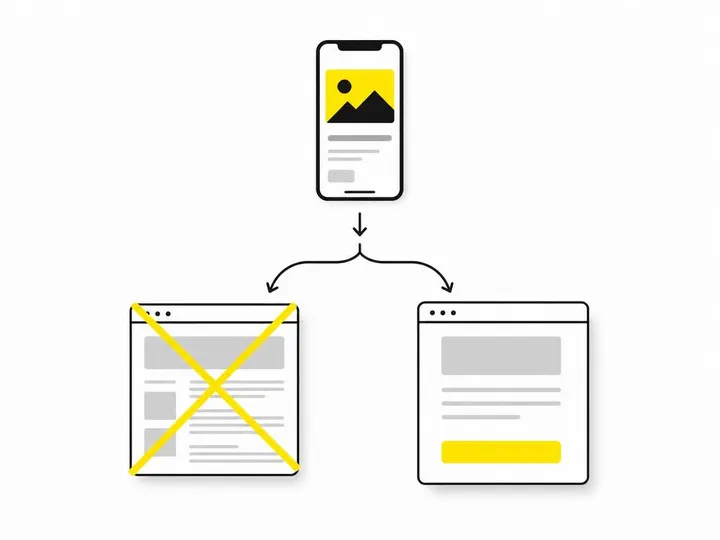
This is the most expensive mistake. You pay for the click, then send the visitor to a page that tries to sell them three different services and has seventeen navigation links pulling them away from converting. Service pages aren't built for the pressure of paid campaigns. Build a landing page for your ads and watch your conversion rate double.
Building a landing page with no SEO value
The opposite trap: some business owners build a landing page and wonder why it doesn't appear in Google. Landing pages aren't designed to rank. They're designed to convert paid traffic. If you want organic search traffic, you need service pages. Don't confuse the two jobs.
Forgetting a clear call to action on either page type
A landing page with no CTA button is a landing page that doesn't convert. A service page with no phone number or contact form loses half its leads. Every page needs a clear, visible way for a visitor to take the next step. Website design mistakes that scare away leads shows how often this happens and how easily it's fixed.
Do You Need a Whole Website or Just a Landing Page?
This is a practical question for new small businesses.
When a landing page alone can work
If you're running a short-term campaign, testing a new service, or running paid ads exclusively, a single landing page can work. You don't need a full website. But the moment you want organic search traffic or long-term credibility, a landing page alone isn't enough. Customers expect a real website with multiple pages, reviews, and proof.
When you absolutely need a full website
If you're a tradie, service provider, or local business, you need a full website with service pages, a homepage, and contact information. How to structure a tradie homepage breaks this down, but the bottom line is simple: a website is how customers vet you online. A single landing page looks temporary and amateur. How to lay out your small business website gives you a practical checklist for what your site needs.
A full website with proper service pages costs more upfront but ranks in Google, builds trust, and converts customers for years. What to budget for your website in Australia shows what you should expect to invest and why it's worth it.
How to Make Both Page Types Work Harder
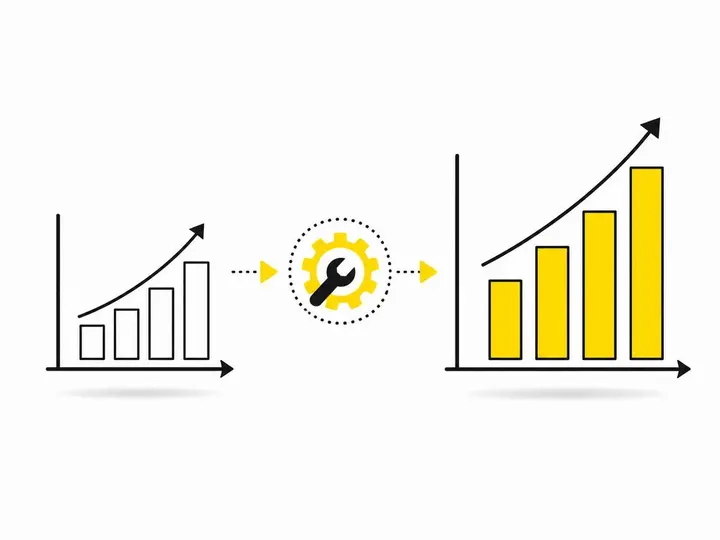
Once you've built the right pages, small tweaks improve conversion dramatically.
Quick wins for your service pages
Add customer reviews and testimonials above the fold. Customers trust other customers.
Include a clear phone number or contact form within the first three paragraphs.
Answer the question "Why you?" in the first 50 words. What makes you different?
Add a compelling image or video of your work. Tradies especially should show before-and-after photos.
Link to related service pages internally. This builds SEO authority and keeps visitors on your site longer.
Quick wins for your landing pages
Remove every navigation link. Keep one CTA button in the top right and another below the fold.
Make your offer crystal clear in the headline. "Free quote today" beats "Learn about our services."
Use short paragraphs and bullet points. Landing pages should take two minutes to read, not ten.
Add social proof: customer counts, award badges, or quick testimonials.
Test different headlines and CTA button colours. Even small changes move conversion rates.
Conclusion
A service page and a landing page are tools for different jobs. Service pages rank in Google, build long-term authority, and turn organic visitors into customers. Landing pages convert paid traffic at 2 to 3 times the rate of service pages because they focus on a single offer with no distractions. Most Australian small businesses need both: a proper website with service pages for SEO, and landing pages for paid campaigns.
The mistake isn't choosing one over the other. It's building the wrong page type for the traffic you're sending to it. Send organic search visitors to your service pages. Send paid ad traffic to a landing page built for that specific offer. That's the practical difference that moves the needle on conversions and makes your marketing budget work harder.
If you're not sure whether your current pages are doing their job, test them yourself: are service pages ranking in Google? Are landing pages converting paid traffic at 3 percent or higher? If not, you've found your next project.