Childcare SEO Services: How to Fill Enrolment Spots With Google Search
On this page 9 sections
Key takeaways
- Local keyword targeting beats generic terms for childcare enrolment enquiries
- Google Business Profile is the single highest-impact starting point
- Aggregator sites dominate broad terms; suburb-level pages can outflank them
- Parent reviews on Google directly influence ranking and enquiry rates
- SEO-optimised childcare sites convert at 3.5% vs the 2.1% industry average
- Seasonal enrolment surges reward centres that invest in SEO ahead of time
Most childcare centres lose enrolment spots to Google aggregators and competitors every single month, not because their care is worse, but because parents can't find them online. When families search "childcare near me" or "preschool [suburb]", they hit Care.com or ChildCare.com.au first. Your centre never shows up. Even worse, you're competing against national platforms with huge SEO budgets while you're just trying to fill classrooms. Childcare SEO services fix this by making your centre rank where parents are actually looking: on Google Maps, in local search results, and on your own website. We'll walk you through exactly what works in 2027, what it costs, and how long it takes to turn Google searches into real enrolment enquiries.
Why Childcare Centres Struggle to Rank on Google
Childcare centres rank poorly on Google because aggregators dominate local search results and because most centres don't have SEO-optimised websites or complete Google Business Profiles. When a parent searches "childcare Parramatta" or "preschool near me", they see Care.com, ChildCare.com.au, and Facebook groups before they see your centre. This is the aggregator problem in action.
The aggregator problem
Care.com 和 ChildCare.com.au are marketplaces that list hundreds of centres in a single post. They have enormous domain authority, backlinks from news sites, and millions of parent users. Google ranks them at the top because the algorithm sees them as trusted, comprehensive sources. Your centre's website, no matter how good, is smaller and newer by comparison. You're outgunned on domain strength alone. The only way around this is to own the Google local pack (the map results) and organic results for suburb-specific, long-tail keywords that aggregators don't target.
How parents actually search for childcare
Parents don't start on aggregators because they love them. They start there because it's the easiest result. But they're searching for you. The real search patterns are:
- "Childcare [suburb name]" or "preschool [suburb]"
- "Childcare near me"
- "Long day care [suburb]"
- "Nappy-free childcare [area]" or other program-specific searches
- Your centre name directly (after they've heard about you)
Most of these searches have local intent. Parents want a centre they can actually reach within 10 to 15 minutes of home or work. That's where local SEO services make the difference. They target the searches parents make in their own suburb.
What happens when families can't find you online
Enrolment spots go empty. Parents fill gaps with centres they found on Google, even if yours is objectively better. You miss out on revenue, your staff work under-capacity, and you end up spending more on paid ads or word-of-mouth just to stay full. Many centres waste thousands on Google Ads to fill spots that could come from organic search.
What Childcare SEO Services Actually Include
Childcare SEO services combine local keyword research, Google Business Profile optimisation, suburb-specific landing pages, and technical website fixes to make your centre visible where parents search. The goal is simple: rank for the searches parents in your area are actually making, and convert those visits into enrolment enquiries.
Local keyword research for childcare
Good keyword research identifies the searches parents make in your suburb and service area, then ranks them by search volume and competition. For a centre in Canberra, this might be "long day care Tuggeranong", "preschool Weston Creek", or "affordable childcare Canberra". Broad national keywords like "childcare Australia" are pointless. You need suburb-level, intent-driven keywords where you can actually rank and where parents in your catchment are searching.
Google Business Profile optimisation
Your Google Business Profile is the fastest ranking asset you own. It's already on Google's servers. You just need to complete it fully: add photos of your centre and outdoor space, list all your programs and age groups, update your hours, add service areas (the suburbs you draw from), respond to every review, and keep it active with posts. This alone can push you into the local pack within weeks.
Suburb and service-area landing pages
These are individual pages on your website for each suburb you serve: "Childcare in Parramatta", "Preschool in Epping", "Long day care in Rydalmere". Each page targets the local keyword, mentions the suburb in the content, and links to your main enrolment form. Service area landing pages help you rank for multiple local searches without spreading yourself thin.
On-page SEO and website content
Your website needs proper SEO structure: keyword-rich page titles and meta descriptions, clear heading hierarchy, fast load speeds, and content that answers parent questions (fees, hours, programs, curriculum approach, National Quality Framework compliance). Every page should speak to parents' actual concerns, not just your accreditation badges.

Google Business Profile: The Quickest Win for Childcare Centres
Google Business Profile optimisation is the fastest way to get visible in local search because your profile is already on Google. You just need to fill it in completely and keep it active.
What a complete profile looks like
A profile that converts enquiries has:
- A clear business name (your centre's actual name, not keyword stuffing)
- Correct address, phone number, and website
- Service areas listed (the suburbs you serve)
- Hours that match your actual operating times
- At least 8 to 12 high-quality photos showing indoor spaces, outdoor play areas, and activities
- A complete description of your programs, age groups, and key values
- Attributes selected (accreditation status, program types)
- Website link and call-to-action button pointing to your enrolment page
Centres with complete profiles receive 2.7 times more enquiries than those with bare-bones listings. Google Business Profile optimisation guide has the full technical checklist.
Getting and managing parent reviews
Reviews are parent proof. Eighty nine percent of families check reviews before choosing a centre. You need reviews on Google, and you need to respond to every one. When you turn reviews into leads, you're not just building trust; you're also telling Google that parents actively engage with your profile. More engagement means better local rankings.
GBP posts and seasonal enrolment pushes
Google Business Profile posts are short-form content (up to 300 characters) that appear in your profile and local search results. Use them to promote open enrolment periods, highlight new programs, announce staff achievements, or share photos from recent events. Posts keep your profile active and give parents a reason to visit your profile regularly. During peak enrolment seasons (January, July), post every 3 to 5 days. Follow a content plan for your Google listing to stay consistent without burning out.
Keyword Strategy: How to Compete Without a National Budget
You don't need to outrank Care.com on "childcare Australia" to fill your centre. You need to rank on suburb-level keywords where your actual catchment searches.
Suburb-level pages vs broad national terms
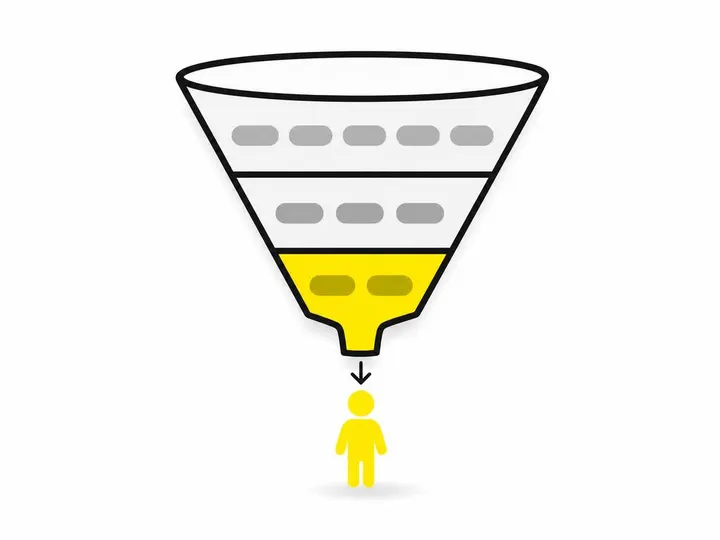
Broad terms ("childcare Sydney", "preschool Australia") have huge search volume but fierce competition from aggregators and large chains. Suburb-level terms ("childcare Newtown", "preschool Marrickville") have lower volume but high intent. Parents searching these are in your area right now. Rank for 15 to 20 suburb-specific keywords instead of chasing one national keyword. You'll win more actual enquiries faster.
Long-tail keywords parents actually type
Long-tail keywords are longer, more specific searches with lower volume but higher intent. Examples include "long day care Parramatta with outdoor play", "preschool near Epping train station", or "childcare Canberra drop-off after 8am". These searches have fewer competitors and a parent who types them is closer to making a decision. Target these in your landing pages and blog content.
Age-group and programme keywords
Parents also search by age group or program type: "infant childcare Parramatta", "preschool programs Epping", "nappy-free childcare Sydney". These are high-intent keywords that let you compete on service specificity, not just brand size. If your centre offers a unique program or specialises in a particular age group, these keywords are gold.
Technical SEO and Website Performance for Childcare Sites
Technical SEO ensures Google can crawl your site, understand your content, and rank you fairly. It's invisible to visitors but critical for rankings.
Mobile speed and Core Web Vitals
Parents search for childcare on phones while commuting or during work breaks. Your website must load in under 3 seconds on mobile. Google measures this with Core Web Vitals: page speed, visual stability, and interactivity. A slow site ranks worse and converts worse. Test your site in Google PageSpeed Insights and fix the red flags. This alone can lift your rankings and cut bounce rates.
Schema markup for childcare providers
Schema markup is code that tells Google what your content is about. LocalBusiness schema markup tells Google you're a childcare provider, where you operate, your hours, phone number, and reviews. It helps Google understand your business faster and can improve your appearance in search results. Most sites skip this. Adding it is one of the quickest SEO wins available.
Converting visitors into enrolment enquiries
Ranking first doesn't matter if visitors don't enquire. Your site needs a clear path to enquiry: a prominent "Enrol Now" or "Book a Tour" button, a simple contact form, and trust signals (reviews, accreditation badges, staff photos). Optimised childcare sites achieve 3.5% to 4% enquiry conversion rates, compared to 2% for unoptimised sites. That difference adds up fast when you're filling 20 plus spots per term.
How Long Does Childcare SEO Take to Work?
SEO is not instant, but childcare centres see real results faster than you might expect because local competition is lower than national categories.
Realistic timelines for local rankings
With proper strategy and consistent execution, a childcare centre can expect:
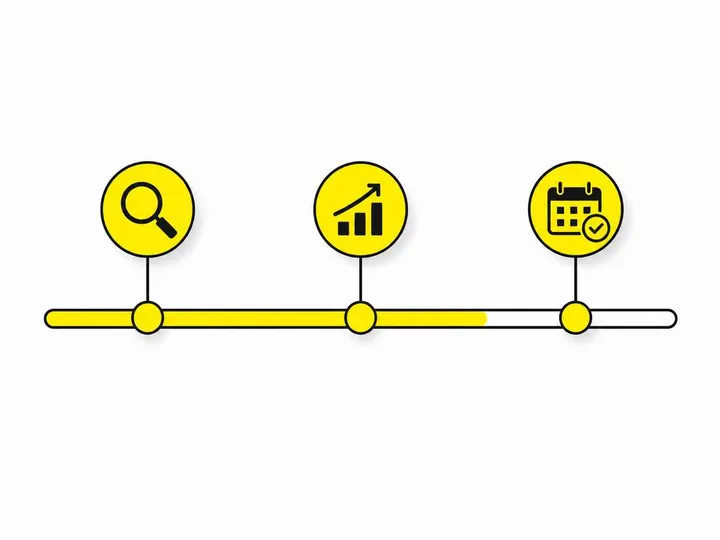
- Google Business Profile improvements within 1 to 2 weeks (more reviews, better engagement)
- First local pack appearances (Map results) within 4 to 8 weeks
- Organic page-one rankings for suburb-level keywords within 3 to 6 months
- Sustained traffic and enquiries within 6 to 12 months
These timelines assume consistent effort: monthly content updates, regular GBP engagement, and ongoing technical maintenance. If you go quiet after 3 months, rankings fade.
Quick wins vs long-term authority
Quick wins come from Google Business Profile optimisation, local reviews, and GBP posts. These can drive enquiries within weeks. Long-term authority comes from landing pages, blog content, and technical SEO. This takes longer but builds a lasting asset. The best strategy combines both: optimise your GBP immediately while building your website in parallel.
What Does Childcare SEO Cost in Australia?
Childcare SEO pricing depends on your centre's current online presence, how many suburbs you serve, and how competitive your local market is.
Typical pricing ranges
In Australia, childcare SEO services typically cost:
- Small centre (single location, 1 to 3 suburbs): $500 to $1,500 per month
- Medium centre (multiple programs, 5 to 10 suburbs): $1,500 to $3,500 per month
- Large chain (multiple locations, high competition): $3,500 to $8,000 plus per month
One-off projects (GBP optimisation, website audit) cost $800 to $2,500. These are upfront investments that lay the groundwork for ongoing SEO.
DIY vs hiring an agency
You can handle Google Business Profile optimisation and basic keyword research yourself if you have 5 to 8 hours per month. You cannot build suburb-specific landing pages, write SEO-optimised content, or fix technical issues without technical skills. Most childcare directors don't have time for this. Hiring an agency costs more upfront but delivers faster, measurable results. Small business SEO providers often offer childcare-focused packages that don't require a full retainer.
How to measure ROI for a childcare centre
Track these metrics:
- Organic traffic to your website (Google Analytics)
- Enquiry conversion rate (enquiries divided by website visitors)
- Cost per enquiry (SEO spend divided by enquiries from organic search)
- Enrolment conversion rate (how many enquiries turn into enrolled families)
- Revenue from SEO-driven enrolments
A centre that spends $1,500 per month on SEO and gets 20 enquiries, with 3 to 4 converting to enrolments, is seeing strong ROI. Each enrolment generates $8,000 to $15,000 annually in fees. One extra enrolment pays for months of SEO.
Choosing the Right SEO Agency for Your Childcare Centre
Not all SEO agencies understand childcare. Some sell generic packages that don't work for local service businesses.
Questions to ask before you sign
- Do you have case studies for childcare centres, preschools, or early education providers?
- How do you approach Google Business Profile optimisation?
- Will you build suburb-specific landing pages? How many?
- How often will you post to my GBP and help manage reviews?
- What are your typical timelines for ranking on suburb-level keywords?
- How do you measure success? What reporting will I get?
- Do you provide ongoing content and technical SEO, or just initial setup?
A good agency will ask you about your enrolment goals, current traffic, and local competition before quoting. They'll explain their strategy in plain English, not jargon. Childcare SEO services from specialists will focus on local rankings and enquiry conversion, not just vanity metrics like domain authority.
Red flags to watch out for
Watch out for agencies that promise "number one rankings in 30 days", charge huge upfront fees without a clear scope, or focus only on national keywords instead of local ones. Avoid agencies that don't do Google Business Profile work or don't offer reporting. If they can't explain how they'll help you fill enrolment spots, keep looking.
Conclusion
Childcare centres lose enrolments to invisible Google rankings every month. Parents search for you locally, on Google Maps and organic results, but aggregators and competitors rank above you. Childcare SEO services fix this by optimising your Google Business Profile, building suburb-specific landing pages, and targeting the long-tail keywords parents actually type. Results aren't instant, but they're meas