Jewellery Brand SEO: How to Optimise Collection Pages for Google Shopping Searches
On this page 9 sections
Key takeaways
- Name collection pages around specific searches, not broad labels like 'Shop Earrings'
- Combine Merchant Center feeds with Product structured data on every product page
- Add a short, unique intro and buying guidance to each collection page
- Use canonical URLs to prevent filter combinations creating duplicate pages
- Prepare product images for Google's planned 500x500 pixel minimum by January 2027
- Build evergreen occasion pages for engagements, weddings, birthdays and anniversaries
Collection pages are the quiet engine of jewellery brand SEO. They're where shoppers compare styles, metals and occasions while giving you a way to rank for the high-intent searches that Google Shopping alone can't always capture. The difference between a vague category page and a focused collection page optimised for real searches can be the difference between being found and being invisible.
Why Collection Pages Are the Core of Jewellery Brand SEO
Collection pages sit between Google Shopping product feeds and individual product pages in your SEO strategy. They attract shoppers who are deliberate about what they want to buy, not just browsing. When someone searches "14k gold hoop earrings" or "sterling silver engagement rings", they're looking for a curated range, not a single item.
The distinction matters. Product pages rank for exact product names and specific SKUs. Category pages rank for broad, often competitive terms like "earrings" or "necklaces". Collection pages occupy the middle ground: specific enough to rank, broad enough to serve as a hub that links to multiple product pages and feeds your SEO for jewellery brands strategy.
The difference between category traffic and product traffic
Category traffic asks a comparison question. Product traffic answers a decision. A shopper landing on "gold hoop earrings under $500" wants to see your options, read about the materials, understand the sizing, then pick one. A shopper landing on a specific product page has usually already decided the category and is confirming their choice. Collection pages capture the first moment, product pages the second.
How 85% of Australians shop with deliberate intent
Research from Shopify in October 2026 found that 85% of 2,000 Australians said they would rather wait for the right product than buy whatever is available. That deliberation happens on collection pages. They're comparing metals, checking gemstone sizes, reading about durability and thinking about occasion. If your collection pages aren't there to meet them, they'll find a competitor's instead.
How to Name and Structure Collection Pages Around Real Searches
A generic title like "Shop Earrings" tells Google and shoppers almost nothing. A specific title like "Gold Hoop Earrings: 14k and 18k Styles Under $500" is immediately useful and ranks for terms that drive actual sales intent.
Use specific, descriptive titles instead of broad labels
Your collection page title should include the product type, the metal or material, and ideally a distinguishing detail like price, style, or use case. "Sterling silver pendant necklaces for everyday wear" is better than "Necklaces". "Engagement rings: solitaire diamonds in 18k white gold" is better than "Rings". This specificity helps Google understand the page's relevance and helps shoppers know immediately if you have what they're looking for.
Build pages around metal, gemstone, style and occasion
Jewellery shoppers think in terms of materials and moments. Build collection pages around combinations: gold and silver, diamonds and sapphires, minimalist and statement, everyday and formal. Create pages for buying occasions too: "anniversary gifts", "birthday jewellery for her", "men's wedding bands". What jewellery shoppers need from a website includes the ability to narrow down by these exact factors without having to search everywhere.
Keyword research for jewellery: what shoppers actually type
Use keyword research using Google Search Console to see what searches are already bringing people to your site. Look at your ecommerce analytics too: which filters do shoppers apply first? If most people searching for "diamond earrings" immediately filter to "under $300", that's a signal to build a dedicated collection page. Tools like Google Trends and Shopify's analytics show you the terms your market is actually using.
Writing Collection Page Content That Google and Shoppers Both Value
Content on collection pages should do two jobs: help shoppers and help Google understand what the page is about. Thin, repetitive content fails at both.
Add a unique intro to every collection page
Write a short, genuine introduction to each collection. Explain what makes the collection special, who it's for, or what to look for when choosing. For example: "Our 18k gold hoops combine the warmth of solid gold with the versatility to dress up or down. All pieces are hallmarked and come with a lifetime care guarantee." This isn't keyword stuffing. It's the real information shoppers need and Google uses to understand page context.
Include material and sizing guidance
Jewellery is a category where material matters enormously. Add a paragraph or section about the metals you use: purity (14k versus 18k), plating (if applicable), durability and care. Include a sizing guide if relevant, especially for rings and bracelets. This information reduces returns, builds confidence and gives Google more signals about what the page covers.
Surface trust signals near the product grid
Show warranty information, return policy, delivery timeframes and customer reviews near the top of the product grid, not buried at the bottom. Shoppers want to know the promise before they click on a product. Trust signals also reduce bounce rate, which benefits SEO.
Connecting Collection Pages to Google Shopping: Feeds and Structured Data
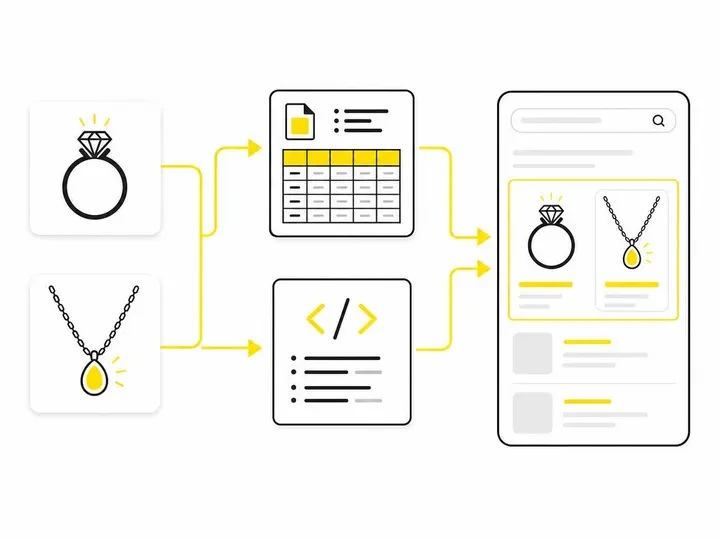
Your collection page SEO works best when it's joined up with your Google Merchant Center feed and Product structured data. These three things are separate but interdependent.
Why you need both a Merchant Center feed and Product structured data
Google Merchant Center is a tool where you upload a data feed that communicates product catalogue, pricing and availability directly to Google. Google Merchant Center product data specification defines the required and recommended fields. Product structured data, by contrast, is markup you add to your product pages (and optionally collection pages) that helps Google understand product information when it crawls your site. The feed is fast and guaranteed to reach Google; structured data is part of organic discovery. For jewellery brands, you need both: the feed powers Google Shopping visibility and reliable pricing updates, while structured data supports organic search and helps Google index your collection pages properly.
Using ProductGroup markup for variants
If you have one product available in multiple sizes, colours or metals, use Google's Product structured data documentation to implement ProductGroup markup. This schema uses properties like `variesBy`, `hasVariant` and `productGroupID` to tell Google that "gold hoop earrings" is one product with variants in different sizes or metal weights, not five separate products. This keeps your collection page cleaner, reduces duplicate indexation problems and makes it easier for Google to show the right variant in search results.
Keep price and availability accurate across page and feed
Mismatches between your website and your Merchant Center feed cause disapprovals and lost visibility. If your feed says a ring is in stock but your product page says "sold out", Google will penalise that listing. Feedonomics recommends refreshing price and availability data daily at minimum. If you're using Shopify vs WordPress for Australian stores, check whether your platform has built-in Merchant Center sync or whether you need a third-party feed tool. The Content API for Shopping, which allowed real-time feed updates, reached sunset on 18 August 2026, so batch feeds are now the standard approach.
Product Photography as an SEO Asset
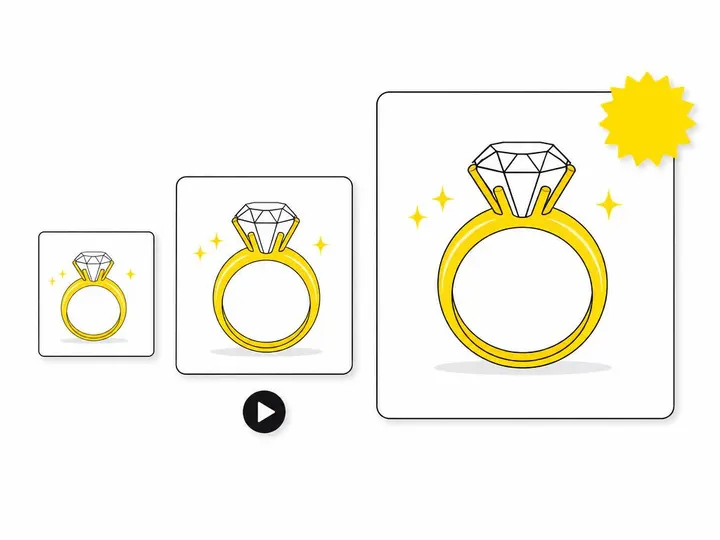
Image quality directly affects your visibility in Google Shopping and collection pages. Google is raising the bar: the minimum image resolution is scheduled to increase to 500 by 500 pixels on 31 January 2027.
For jewellery, high-resolution images are non-negotiable. Shoppers need to see the detail of a stone setting, the finish of a metal, the scale of a piece. Plan your product photography with that 500 by 500 pixel minimum in mind now. Invest in consistent lighting, neutral backgrounds and multiple angles for each piece. Product video, which became eligible to serve in Shopping surfaces from 30 June 2026, is an emerging advantage: a short video showing a necklace's movement or a ring's sparkle can outperform static images.
Occasion and Gifting Pages: An Evergreen SEO Opportunity
Build collection pages around gifting and life moments. "Engagement rings", "wedding jewellery for the bride", "anniversary gifts for her" and "birthday jewellery for men" are searches with consistent, high intent year round. These pages attract traffic outside seasonal spikes and link naturally to your metal and style collections.
Link occasion pages back to material and style collections: an engagement ring page might link to "solitaire diamonds in 18k gold" and "ethical gemstones", creating a web of relevant internal links that strengthens your overall ecommerce SEO authority.
Handling Filters Without Creating an Indexation Mess
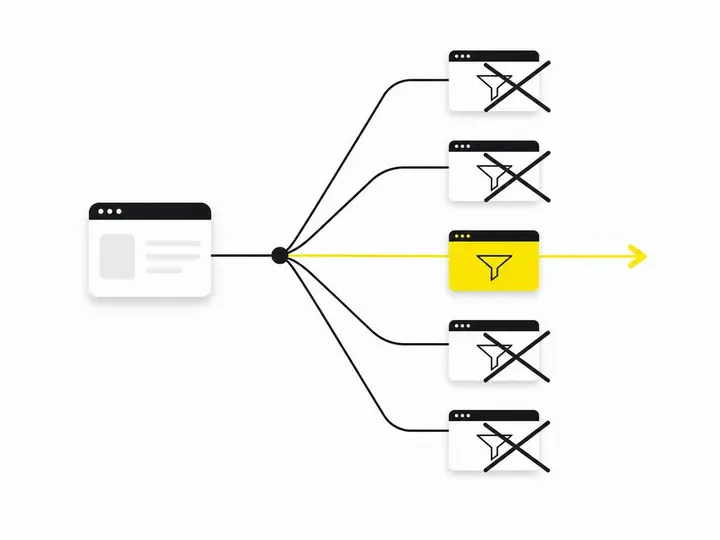
Faceted navigation is tempting: let shoppers filter by metal, price, gemstone and style. But if every combination becomes a crawlable page, you'll end up with thousands of near-duplicates that dilute your crawl budget and confuse Google.
Keep one primary, descriptive collection URL as your canonical page: "/collections/gold-hoop-earrings" ranks for organic search and links to individual products. Use canonical tags to tell Google which filters matter and which are just UI enhancements. Block low-value filter combinations (such as "gold earrings under $50 with diamond settings and vintage styling") from indexation using robots.txt or rel="nofollow" on filter links. This keeps your SEO authority concentrated on pages that matter.
A Simple Checklist Before You Publish a Collection Page
- Descriptive, keyword-focused title and meta description that answers the search intent.
- Unique introductory paragraph explaining the collection's purpose or audience.
- Material, sizing and care information specific to the collection.
- Trust signals (warranty, returns, delivery) visible above the product grid.
- High-resolution product images (aiming for 500 by 500 pixels minimum by January 2027).
- Product structured data on individual product pages linked from the collection.
- Merchant Center feed updated daily with accurate pricing and availability.
- Internal links to related collections (metal, style, occasion).
- Canonical URL set if the page has multiple filter parameter combinations.
- Mobile-friendly layout with fast load time (test with PageSpeed Insights).
Conclusion
Collection pages are where deliberate jewellery shoppers land, and they're where your jewellery ecommerce SEO strategy connects organic search, Google Shopping and product pages into a single, cohesive system. Building them around real searches, materials shoppers care about and occasions they're buying for creates traffic that lasts, not just during peak seasons but year round.
The technical side matters equally. Your Merchant Center feed and Product structured data are not extras; they're the bridge between your collection pages and Google's understanding of your catalogue. Keep images, pricing and availability accurate across all three, handle filters carefully to avoid indexation bloat, and fix technical SEO issues that slow crawling or indexation. When these pieces work together, collection pages become your most reliable source of high-intent organic traffic in a category where shoppers compare deliberately before they buy.
Start with one or two priority collection pages built around the searches you know your customers are making. Measure their performance, refine the content and structure, then expand to occasion-led and style-based collections. That methodical approach beats trying to optimise every possible combination at once.