Social Media Content Ideas for Tradies During Quiet Periods

On this page 9 sections
Key takeaways
- Quiet periods are when homeowners plan jobs go dark and you miss them
- Archived before-and-after photos perform well even months after the job
- Educational tip posts build trust without needing an active worksite
- Reels and short video get more reach than static posts on Meta and Instagram
- Batch-creating content during downtime saves time when work picks back up
When your job schedule dries up, your social media posting often does too and that's exactly when you should be posting more, not less. Quiet periods in trade work are when homeowners research, plan, and make decisions about their next project. If your social channels go silent, the algorithm notices, and so do potential clients looking for someone like you.
Why Going Quiet on Social Media Is the Worst Thing You Can Do in a Slow Period
The algorithm punishes inactivity. Meta and Instagram prioritise accounts that post regularly, engage with their audience, and stay active in their followers' feeds. When you disappear for weeks, your account gets deprioritised, and even when you post again, fewer people see it. That means when work does pick up, you've lost months of momentum.
The algorithm punishes inactivity
Meta's organic reach algorithm rewards consistent posting. If you go dark for four weeks and then post a job photo, that post will reach far fewer people than if you'd maintained a steady presence throughout. Your follower count might stay the same, but your actual visibility drops significantly. The platform assumes an inactive account isn't worth showing to people's feeds.
Slow seasons are when homeowners do their research
Here's the counterintuitive truth: slow periods for you are peak planning periods for homeowners. During winter or quiet months, people aren't dodging rain to finish a renovation they're indoors, browsing their phone, looking at tradies' Instagram pages and Google Business Profiles. They're bookmarking names, comparing before-and-afters, and reading reviews. When spring arrives and they're ready to book, they'll call the tradies who stayed visible. Those who vanished? Forgotten.
How often should tradies post during slow periods? Aim for at least two to three posts per week on Meta and Instagram combined. This keeps the algorithm happy and your name in front of decision-makers without eating up hours you might need for admin or training.
Content Idea #1: Dig Into Your Archive of Past Projects
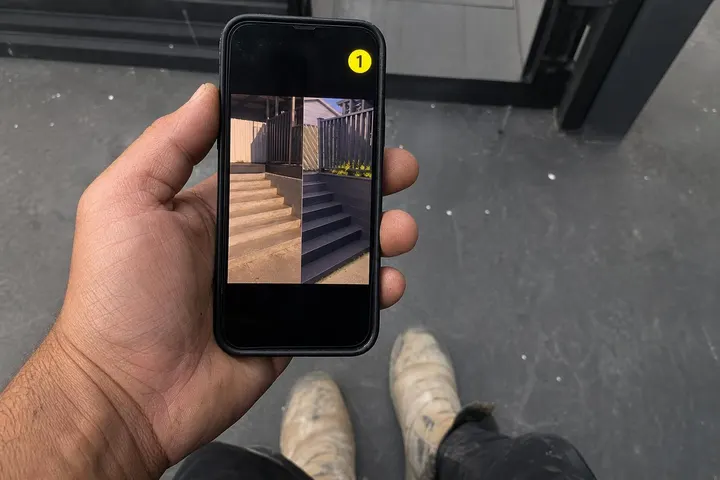
Before-and-after posts from jobs you completed months ago still work and still drive real leads your past work is just as valuable as current work to someone planning their project.
Before-and-after posts still work months later
You've got a goldmine sitting in your camera roll or on your phone from the last year or two of jobs. Homeowners don't care if a bathroom reno was finished six months ago or six weeks ago; they care about the quality of the finish. A stunning before-and-after from last spring is just as persuasive in autumn.
Getting more from your project photos on social means using captions that explain your process, highlight the materials used, or mention a specific challenge you solved. Don't just post the photo and say "kitchen reno." Tell the story: "This kitchen had zero bench space and a gas cooktop wedged in the corner. We relocated the stovetop, added 2 metres of Caesarstone bench, and installed soft-close cabinetry. Owner now has room to cook and host. Six-week project."
How to write a caption that does the selling for you
The caption is where the lead lives. Use it to answer the question a potential client has: "How long does this take?" "What does it cost roughly?" "Can you handle a tricky space?" or "What materials do you use?" Each caption should give enough information that someone scrolling could imagine hiring you.

Content Idea #2: Answer the Questions Your Customers Always Ask
The same questions come up in every inquiry—turn those FAQs into a content calendar and you'll never run out of ideas during a slow period.
Turn your FAQ into a content calendar
Think about the five to ten questions clients ask you most: "How long does a renovation take?" "Do I need council approval?" "Should I choose tile or stone?" "What's the difference between a bathroom refresh and a full reno?" "Can you work around my work schedule?" Write these down and turn each into its own post. One question per post. One post per week. That's two months of content from your own brain.
Text posts vs. short video — what works better for tradies
Short-form video (like Instagram Reels for tradies) gets more reach than static photo posts on Meta and Instagram. But if you're time-poor, a well-written text post with a single image still performs. The trade-off: video takes 15 minutes to record and edit; a text post takes three. During quiet periods, batch your content, but don't exhaust yourself. A posted text answer to an FAQ is better than no post at all.
Content Idea #3: Show What You Do When You're Not on a Job
Behind-the-scenes content humanises your business and fills posting gaps without needing an active site to photograph.
Behind-the-scenes van and tool content
Show your van organisation, your tool setup, how you store materials, or the tools you invested in over the last year. Organising your toolbox and snapping photos of it isn't thrilling, but it tells followers you're professional, prepared, and serious about your trade. It also gives you five to ten posts without leaving your yard.
Training, upskilling, and certifications worth mentioning
Did you complete a course on new tile-laying techniques? Get a new certification? Attend an industry training day? Post about it. "Just finished a two-day course on waterproofing systems expanding our bathroom reno capabilities" shows you're actively improving. It builds trust and gives you another post in your queue.
Content Idea #4: Seasonal Reminders and Local Homeowner Tips
Tie your trade to the time of year and your suburb to boost your local reach with followers who are actually in your service area.
Tie your trade to the time of year
October sees homeowners thinking about summer entertaining. November gets pool and deck projects rolling. June is when gutters start clogging in winter and plumbing issues spike. Post a seasonal tip tailored to your trade: "Spring is guttering season—here's why your gutters are overflowing and what to do about it." The ABS Building Activity data showing seasonal construction fluctuations confirms these patterns are real across Australia.
Suburb-specific content that boosts local reach
Post content that names your suburb or suburb cluster: "Five Rondos homes we've renovated this year" or "Inner West plumbing — winter blockage prevention." Meta's algorithm prioritises local relevance. Naming suburbs helps the platform show your content to people searching in your area.
Content Idea #5: Repurpose Customer Reviews Into Social Posts
Every positive review is a post waiting to happen, and turning customer reviews into social media content is one of the quickest wins during quiet periods.
Screenshot vs. designed testimonial cards
A screenshot of a five-star Google review works. A designed testimonial card (made free in Canva) looks more polished. Either way, you've got a post that took five minutes to create and drives serious social proof. Ask for permission before posting, but most customers are happy to see themselves featured.
How to ask for a review you can actually use
When you finish a job, don't just ask for a review ask for a review you can share on social. Tell the customer: "A Google or Facebook review helps us hugely, and we love to share the kind words you leave. Any chance you could mention what you loved about the project?" Specific, detailed reviews convert better and look better on your posts.
How to Batch Your Content So You Only Need One Afternoon a Month
Content batching saves time and stops you from scrambling to post when you're too busy on a job.
Tools that help tradies schedule posts in advance
Meta Business Suite is free and lets you schedule posts on Facebook and Instagram weeks in advance. Spend one afternoon pulling old photos, writing captions, and scheduling them. Then your posts go live automatically while you're on the job or during your next slow week.
A simple four-week content rotation for slow periods
Week 1: Two before-and-after posts. Week 2: One FAQ answer, one behind-the-scenes post. Week 3: One seasonal tip, one customer review. Week 4: One quick video or Reel idea, one industry news or upskilling post. Repeat. That's eight posts per month with a clear structure. Tools to schedule your posts in advance mean you can load a month's worth in one sitting.
What to Do If You Have Genuinely No Content to Post
If you're truly stuck with nothing to photograph or share, there are ethical and practical workarounds.
Borrow from industry content legally and ethically
You can share industry news, construction trends, or trade body posts. Tag the original creator and add your own take: "This is why we always recommend hot water system maintenance before winter worth a read." You're adding value while filling your feed. What to post when you have nothing to photograph covers these ideas in detail.
When to consider running a Meta ad instead of relying on organic reach
If you've posted consistently for four to six weeks and organic reach is still sluggish, running Meta ads during your slow season can pay off. A small budget (AUD $100 to $300 per month) pushing a before-and-after or a customer review to local audiences often outperforms organic reach during quiet periods. It's not a substitute for posting it's a supplement when the algorithm needs a nudge.
Conclusion
Social media during quiet periods isn't about posting constantly it's about posting consistently. The accounts that win during slow seasons are the ones that stay visible, not the ones that vanish. Your archive of past projects, your FAQ answers, your behind-the-scenes prep, and your customer reviews give you months of content without needing to be on an active job site.
Batch your content in one afternoon per month, schedule it in advance using free tools, and let the posts run while you handle other parts of your business. Slow periods are when homeowners research and decide. Make sure they find you, not your competitor who's also taking time off but posting anyway. The practical takeaway: choose one batching method, set a calendar reminder to spend four hours creating and scheduling next month's posts, and commit to at least two posts per week across your Facebook, Instagram, and Google Business Profile.