Plumber Quote Follow-Up SMS: What to Send After an Enquiry
On this page 8 sections
Key takeaways
- Send a confirmation SMS immediately, not a sales pitch
- Always identify your business name in every message
- One follow-up reminder after no response is enough
- Keep quote messages factual and separate from marketing
- Consent records must show when and how permission was given
- Automated workflows need a human alert for emergencies
Most plumbers lose work in the gap between receiving an enquiry and sending a quote. A customer fills out your website form or calls in, and then silence, delays, or a clumsy follow-up sequence cost you the job. The right SMS follow-up sequence, done right, keeps you top of mind, confirms you're professional, and makes saying yes easy. But send the wrong messages and you'll breach the Spam Act 2003 and turn customers away.
Why Most Plumbing Jobs Are Lost Between Enquiry and Quote
The gap that costs you work
A customer rings at 10 am with a leaking tap. You're on another job. You call back at 4 pm. They've already rung two other plumbers. By the time you arrive to give a quote, they've already accepted someone else's price. Or they filled out your website form on Sunday evening, and you don't respond until Tuesday. They've moved on.
The enquiry is the moment the customer is most engaged. They have the problem, they're thinking about it, and they're ready to move. The longer you wait, the more likely they are to call a competitor or accept the first quote they get.
Why a fast SMS beats a later phone call
A text message arrives instantly and doesn't demand an immediate response. You're not interrupting them mid-conversation. They can read it while they're at work, in the car, or sitting at their kitchen table. A carefully worded SMS also sets an expectation: you've received their enquiry, you know what the job is, and you're organised enough to get back to them fast. That's the impression competitors aren't giving.
Your after-hours enquiry handling matters too. If a customer submits a form at 7 pm on a Thursday, an automatic SMS confirmation gets to them immediately, not at 8 am Friday when they've forgotten about the problem.
Message 1: The Instant Confirmation SMS
What to include
The first SMS should confirm receipt of the enquiry, identify your business and the plumber, and ask for one piece of information you need to quote accurately. It should not try to sell, upsell, or mention price. It's operational, not promotional.
Include:
- Your name and business name
- What you've received (the job type and address)
- What you need next (a photo, details of access, preferred time)
- What the customer can expect (a call by a set time, or a quote by tomorrow)
A word-for-word template
Hi [Name], it's [Your name] from [Business name]. We've got your [job type, e.g. leaking tap] enquiry for [address]. If you can reply with a photo of the area, that helps. I'll review and call you by [time] today. Cheers.
That's it. Clear, brief, and actionable.
What to leave out of this first message
Don't mention your hourly rate, a call-out fee, or a discount offer. Don't ask the customer to confirm their address or repeat the job details. Don't add "Please reply STOP to opt out" to this message; that language is for marketing SMS, not service confirmation. The first message is about the job, not your terms and conditions.
Message 2: The Practical Follow-Up After You Review the Details
Ask one useful question
After you've read the enquiry details, reviewed any photos and understood the scope, send one follow-up SMS with one question that helps you prepare. Common useful questions for plumbers include whether water is still running, whether you can access the area without moving obstacles, or what time works best.
This message should arrive within a few hours of the first, ideally the same day.
Template: access, water flow or timing
Hi [Name], thanks for the info. Quick question: is water still running from [the area], or have you shut it off? Reply 1 for yes, 2 for no. Cheers, [Your name].
Or: "Can I access the tap area without moving anything, or do I need to move furniture? Reply 1 for clear, 2 for need to move things."
Or: "What day works best, morning or afternoon? Reply 1 for morning, 2 for afternoon."
Why one question works better than three
A customer who gets one clear, answerable question replies. A customer who gets three or four questions, a request for their full schedule, and a link to your online booking system doesn't reply at all. They're confused and think you've made it too complicated. One question takes five seconds to answer while they're in the car.
Message 3: After You Send the Quote
Explain what is included
Once you've sent the written quote (via email, text, or a link), follow up with an SMS that briefly explains what the quote covers. This removes any sense that the price is hidden or that there are add-ons coming.
Example: "Hi [Name], quote sent to your email. That price includes the new tap, full installation and warranty. Valid until Friday. Let me know if you have questions. Cheers."
Make it easy to say yes
Don't wait for the customer to ring back or send you an email accepting the quote. Give them a one-step reply to lock in the booking.
Template: "If you'd like to go ahead, reply YES and I'll reserve Thursday morning for you."
This works because the customer can reply instantly, and you have a clear record of acceptance. When they reply YES, you've got consent to schedule, and you can send a confirmation with the time and any final details.
Message 4: The One-Touch Reminder If There Is No Response
Send one, not four
If you haven't heard back after two business days, send one polite reminder. Not four. Not one every day for a week. One reminder message, and then move on or pick up the phone.
A single automated nudge shows you're organised and keen. Four messages in a row scream spam and desperation.
Template: a polite single nudge
"Hi [Name], just checking if you'd like to book in for the tap repair. The quote was valid until Friday. Let me know. Cheers, [Your name]."
When to stop and pick up the phone
If they don't reply to the reminder, call them. SMS is not a substitute for a voice conversation. If they've had the quote for five days and haven't replied to two texts, a phone call often closes the job or surfaces a real objection you can actually address. Following up online leads sometimes means going offline.
Spam Act Compliance for Plumber SMS Follow-Ups
What ACMA says about a single enquiry
A single enquiry does not automatically give you permission to send marketing SMS to that customer. The Australian Communications and Media Authority (ACMA) states clearly that consent generally cannot be inferred from one purchase or enquiry alone. ACMA's April to June 2026 spam and telemarketing monitoring report shows that 344,416 commercial messages lacked working unsubscribe functions during that period, exposing businesses to compliance risk.
The first three messages in your sequence (confirmation, follow-up question, and quote explanation) are operational, not marketing. They're about the job the customer asked about. They don't require explicit marketing consent. However, a fourth or fifth message that says "We also do hot water systems and gutter repairs, 20% off this month" is marketing, and you need consent for that.
The three things every commercial SMS needs
Spam Act rules for SMS and email marketing in Australia require that every commercial message includes:
- Clear sender identification (your business name and ideally your name)
- Evidence of consent (records showing when and how the customer agreed to receive messages)
- A functional unsubscribe method (a working way for them to opt out, such as replying STOP)
How to build consent into your enquiry form
Add a separate, unticked checkbox on your online enquiry form that says: "I'd like to receive SMS updates about my quote and future offers from [Business name]." Plumb this consent preference into your system so that you retain a timestamp and record of when they ticked it.
If they don't tick it, you can send operational messages about their current job, but not promotional messages later.
Where automation must hand off to a person
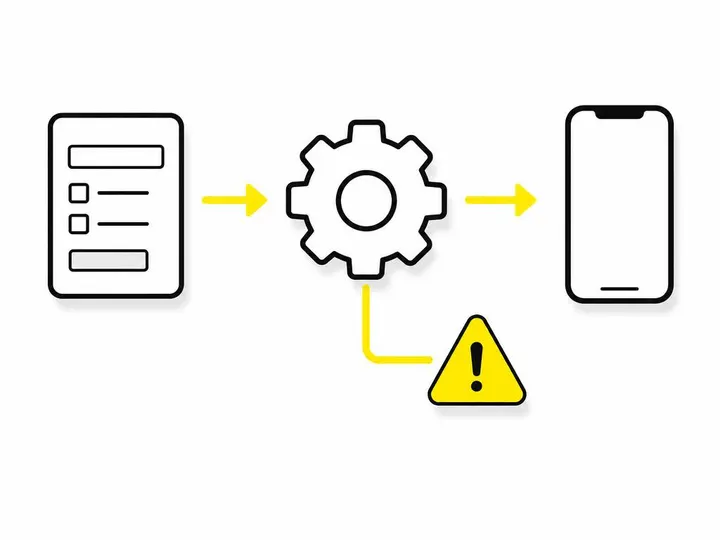
Set up a rule in your CRM for tradies that triggers a human alert if the enquiry mentions an emergency (flooding, no water, gas smell, sewage issue, unsafe access). Don't let automation reply to "My house is flooding" with "Thanks for the enquiry, we'll call you by 3 pm." That's a sign you're not taking it seriously.
Setting Up the Workflow Without Over-Engineering It
Tools plumbers actually use
You don't need an enterprise SMS platform with 47 features. Most plumbers start with automatic SMS replies to website enquiries built into their form plugin (if it's a WordPress site) or their CRM. Platforms like HubSpot, Pipedrive and Tradify support SMS workflows that send messages based on simple rules: when an enquiry comes in, send Message 1. When the customer replies, move them to Message 2.
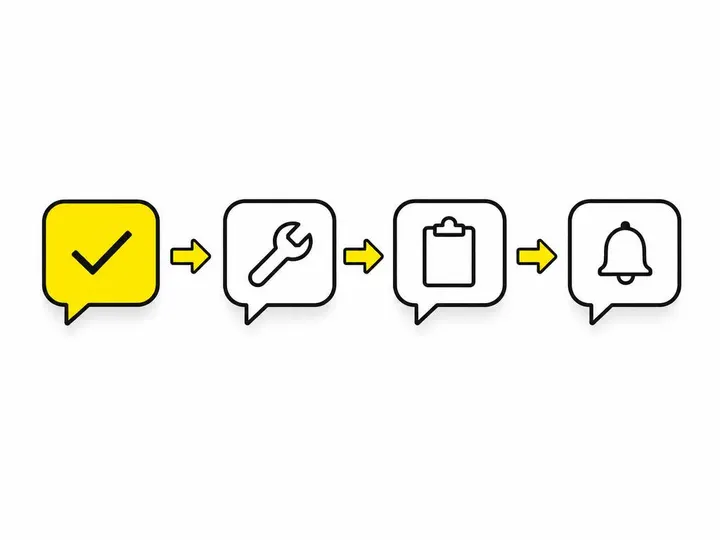
Use quote follow-up automation for small business to schedule the reminder, but keep the sequence short and manual where it matters. A four-message sequence with an alert for emergencies is enough.
Keeping job administration separate from marketing messages
Your enquiry confirmation, follow-up question, and quote explanation are job administration. Your "We're offering 15% off new installations this month" message is marketing. Don't mix them. Use different message templates, track consent separately, and make sure customers who opted out of marketing still receive updates about their current job.
Testing your unsubscribe path before you go live
Before you start sending SMS to customers, test the opt-out process yourself. Submit a test enquiry, receive the messages, reply STOP, and confirm that you stop sending messages and that the system records the opt-out. ACMA found that hundreds of thousands of messages had broken unsubscribe functions. Don't be one of them.
Conclusion
A plumber quote follow-up SMS sequence doesn't have to be complex. Confirm the enquiry fast, ask one useful question, explain the quote, send one reminder if needed, and then pick up the phone. Each message should be short, actionable, and focused on the job the customer asked about.
The Spam Act and ACMA rules exist to protect customers from spam, but they also protect you. Keep sender identification clear, separate job-related messages from marketing messages, and build consent into your enquiry form. Test your unsubscribe function so you know it works. When you follow these rules and send practical messages instead of salesy ones, your conversion rate goes up and your compliance risk goes down.
The gap between enquiry and quote is where plumbers win or lose jobs. Close that gap with a three or four-message SMS sequence that shows you've got the job organised and you're ready to work.