Google Business Profile Categories Australia: How to Choose the Right One

On this page 9 sections
Key takeaways
- The primary category must describe what your business IS, not what it offers.
- Always search the live category field; Google's list changes regularly.
- Pick the most specific category available, not the broadest one.
- Add secondary categories only for genuine, customer-facing service lines.
- Categories support relevance but cannot guarantee a map-pack position.
- Align your profile category with your website's business type for consistency.
Your Google Business Profile category is one of the simplest settings you will ever change, yet it quietly shapes which searches your business can appear for. Get Google Business Profile categories right and Google understands what you are. Get them wrong and even a great profile can struggle to show up for the customers you actually want.
Categories sit at the heart of any sensible local SEO strategy, but they are often set once during setup and never touched again. This guide walks Australian small business owners through choosing the right one, avoiding the common traps and keeping things accurate as your business grows.
Why does your Google Business Profile category matter?
Your category tells Google what kind of business you are, which directly affects whether you appear in the Google Maps local pack for relevant searches.
How Google uses your primary category
Google ranks local results on three broad factors: relevance, distance and prominence. Your category is one of the strongest relevance signals you control. If you run a Thai restaurant but your primary category is "Restaurant", you are competing in a much vaguer pool and may miss people searching specifically for Thai food nearby.
Categories in the age of AI search
Categories now matter beyond the map. Systems like AI Overviews in Google Search rely on entity disambiguation, which means working out exactly what a business is and separating it from similar names. A clear, accurate category helps that process. That said, no category choice guarantees inclusion in an AI answer, and anyone promising otherwise is guessing.
What is the difference between a primary and secondary category?
Your primary category describes what your business is, while secondary categories (up to nine) describe genuine additional lines of business.
What the primary category actually does
The primary category carries the most weight and is usually the label customers see under your business name. It should answer one question: if someone walked past your shopfront, what would they say you are?
When to add secondary categories (and when not to)
Add a secondary category only when that activity is a meaningful, customer facing part of your business. A café that also runs a proper bakery counter might add "Bakery". A café that simply sells a few slices next to the coffee machine should not.
A Step by Step Method for Choosing the Right Category
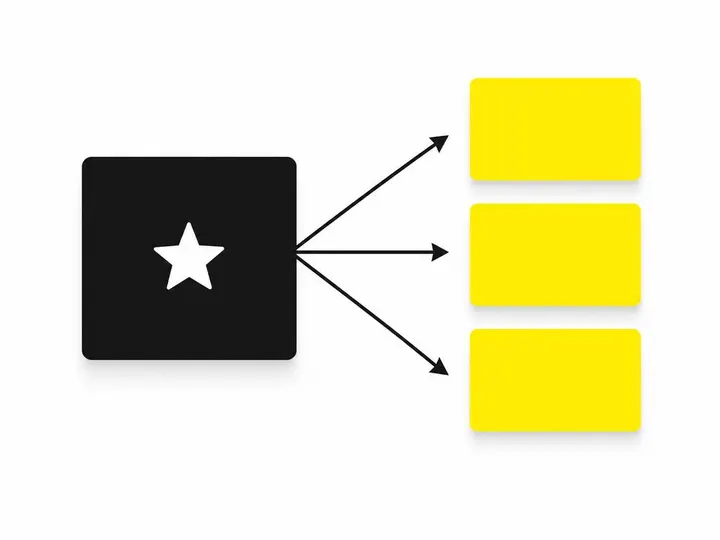
The right category is the most specific option in Google's live selector that accurately describes the activity bringing in most of your revenue.
Step 1: Start with your main revenue earner
Look at where most of your income comes from, not what you would like to be known for. A physiotherapy clinic that also sells a few braces is still a physiotherapist first.
Step 2: Search the live category field
Google's category list changes regularly. Two category directories updated within days of each other in late October and early November 2026 listed 4,051 and 4,045 categories respectively, which shows how often options are added, renamed or retired. Always type into the Google Business Profile category selector itself rather than relying on an old list you found online.
Step 3: Pick the most specific accurate option
Try several search terms in the selector. "Accountant", "Tax preparation service" and "Bookkeeping service" are different categories, so choose the one that truly matches. If no exact match exists, pick the closest specific option rather than defaulting to something broad.
Step 4: Add secondary categories with restraint
Google's official guidance on choosing Business Profile categories says to use as few categories as possible to describe your core business. For most Australian small businesses, that means one primary category and somewhere between zero and three secondary ones.
Common Category Mistakes Australian Businesses Make
Most category problems come from treating categories as a marketing tool rather than a factual description.
Using categories as a keyword list: stacking every term you want to rank for confuses Google about what you are, breaches its guidelines and can dilute relevance for your main service.
Picking a broad category when a specific one exists: "Beauty salon" when "Eyebrow bar" or "Nail salon" fits better leaves easy relevance on the table.
Adding every plausible secondary category: a hair salon adding "Beauty supply store" because it sells shampoo sends mixed signals and may attract enquiries you cannot serve.
What you are vs what you offer: where does everything else go?
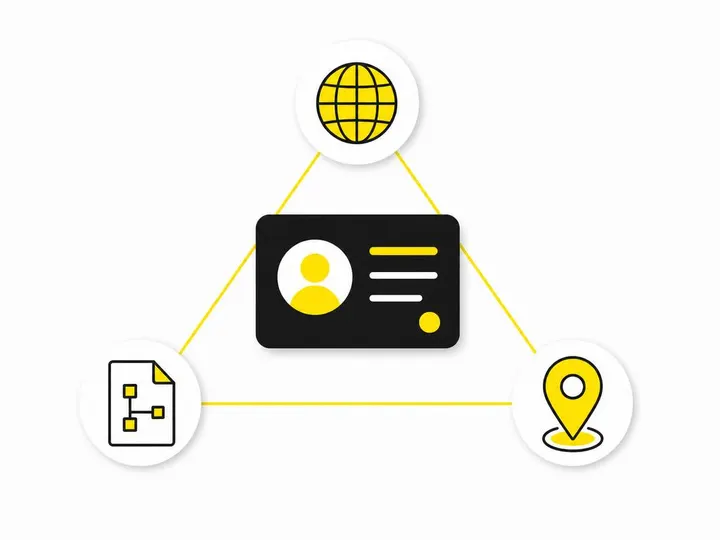
Categories describe what you are; everything you offer belongs in your services, description, posts and website.
Where your specialties, services and locations belong instead
Specialties, techniques, customer types and suburbs you serve should go in the services section, your business description and dedicated website pages. Regular updates also help, and our Google Business Profile content plan covers how to keep that information fresh without it becoming a chore.
Real examples for Australian businesses
Dental clinic: primary "Dentist", with "Invisalign" and "teeth whitening" listed as services, not categories.
Family law firm: primary "Family law attorney", with property settlement and parenting matters described in services.
Dog groomer: primary "Pet groomer", with mobile grooming in Parramatta explained on a website location page.
An Australian Consistency Checklist
Your category should match how your business describes itself everywhere else online and in the real world.
Aligning your profile with your website and schema
Check that these all tell the same story:
Your business name and signage
Your homepage headline and service pages
Your LocalBusiness schema (structured data), using a specific type where one exists
Your Google Business Profile primary category and description
What the 2026 Australian website audit found
An October 2026 audit of 193 Australian business websites found 81% used some form of LocalBusiness structured data, but only 47% used a specific business type such as Dentist or LegalService. That measures website schema, not profile categories, but it highlights a common gap: plenty of businesses describe themselves vaguely in code while choosing a specific category on Google. Closing that gap is a quick win, and it is something small business SEO should check as standard.

How often should you review your Google Business Profile categories?
Review your categories at least once a quarter and whenever your business meaningfully changes.
Triggers for a category review
Your main revenue source shifts
You open a new location or add a genuine new business line
You stop offering a service tied to a secondary category
Google adds a more specific category that fits you better
How to change your category in Google Business Profile
Search for your business on Google or Maps while signed in, choose Edit profile, open Business information and select Business category. Type to search the live list, save, and allow a few days for review. Avoid changing it repeatedly, as frequent edits can trigger extra checks.
Can the right category guarantee a spot in the local pack?
No, choosing the right category cannot guarantee a position in the Google Maps local pack.
Categories support relevance, but distance and prominence still matter, along with reviews, website quality and customer experience. The BrightLocal 2026 Local Consumer Review Survey continues to show how heavily people lean on reviews when picking a local business, so pair accurate categories with a steady approach to getting more leads from Google reviews.
Conclusion
Your primary category should describe what your business is, as specifically and honestly as Google's live selector allows. Secondary categories are for genuine extra business lines, not for squeezing in keywords. Everything else, from specialties to suburbs, belongs in your services, description and website.
Today, open your profile, search the live category field for something more specific than what you have, and check your website says the same thing. Then put a quarterly reminder in your calendar to review it again.