Social Media Marketing for Real Estate Agents in Australia: Posts That Generate Appraisals
On this page 9 sections
Key takeaways
- Video content drives up to 10x more engagement than static listing photos
- Facebook and Instagram remain the top channels for property appraisal leads
- Local market update posts position you as the suburb expert, not just a seller
- Social proof posts such as reviews and sold results build the trust that books appraisals
- Consistency and a clear call to action matter more than production quality
Most Australian real estate agents post listings and hope for appraisal enquiries and most never get them. The problem isn't social media itself; it's that agents copy what competitors do without understanding what actually moves a vendor to pick up the phone. The gap between posting constantly and generating appraisals is enormous, and it comes down to content strategy, platform choice, and how fast you follow up.
Why Most Real Estate Social Media Falls Flat
The listings-only trap
Posting a property listing photo every second day feels like marketing, but it isn't. Listings alone don't build trust, they don't prove your results, and they don't give vendors a reason to contact you instead of the agent next door. Vendors want to see evidence that you sell properties like theirs, understand their market, and have a track record. A pretty photo of someone else's lounge room does none of that.
When agents rely on listings as their main content, they're competing on pixels, not credibility. Social media hooks that stop the scroll work best when they promise value or proof, not inventory.
Organic reach is declining — but it still works if you use the right content
Yes, Meta platforms show fewer organic posts to followers than they did five years ago. But the platforms that suffer most are those posting generic, low-effort content. When you post content that actually matters to your local audience suburb reports, market updates, client wins, the algorithm still carries it. REA Group Insights on Australian property buyer behaviour confirms that 73% of property hunters use social media to research before they enquire, which means your audience is there and actively looking.
What vendors actually want to see before they call an agent
Vendors don't scroll social media to see listings; they scroll to answer two silent questions: Can this agent sell my type of property? Do they know my area? Content that answers both recent sales in their suburb, before-and-after transformations, market analysis, client testimonials builds the confidence that turns a follow into an appraisal booking.
Which Platform Should Australian Agents Focus On?
Facebook vs Instagram for real estate in Australia
Facebook remains the single best platform for appraisal leads because it reaches a broader age range and the algorithm still rewards video and testimonial content heavily. Instagram is fastest-growing among younger vendors but requires consistent Reels and aesthetic consistency. For most Australian agents, Facebook is the priority; Instagram amplifies it.
Meta owns both platforms and optimises them differently. Facebook's community groups and local targeting remain unmatched for suburb-focused content. Instagram's visual format attracts younger property buyers and sellers, and using Reels to grow your local audience has become essential for agents who want to reach vendors aged 25 to 45.
Is TikTok worth the effort for appraisal leads?
TikTok reaches property hunters aged 18 to 35 effectively, but the conversion to appraisal enquiries remains lower than Facebook and Instagram. For agents targeting younger first-home buyers or renovators, TikTok can build awareness. For steady appraisal volume, Facebook and Instagram are still the answer.
How to pick the right platform for your suburb and demographic
Map your target vendor by age and property type. Downsizers and deceased estates? Facebook. First-home renovators? Instagram and TikTok. Then post to all three but invest your creative energy on the one where your audience actually is. Use insights data to confirm your Facebook Insights will show you your audience's age and location within weeks.
The 70/20/10 Content Mix for Real Estate Agents
The 70/20/10 content rule is the backbone of social media that converts. Seventy percent local value content builds trust and positions you as an expert. Twenty percent social proof (sold results, testimonials, client wins) proves you deliver. Ten percent direct appraisal calls to action keep the conversion funnel open.
70% local value content
This is suburb market reports, interest rate breakdowns, local news that affects property values, renovation tips, first-home buyer guides, and anything that helps vendors understand their own market better. When you give freely and generously, people assume you're good at what you do.
20% social proof and results
Client testimonials, sold results with price and days-on-market, before-and-after property transformations, and case studies of successful sales. This is where sharing client reviews on social media becomes a lead-gen tool, not just a vanity metric.
10% direct appraisal calls to action
"Book your free appraisal," "Get your property valued today," and direct links to your appraisal booking page. Most agents flip this ratio upside down, which is why they see likes but not leads.

Post Types That Actually Book Appraisals
Local market update videos and posts
A 90-second video saying "Three-bedroom homes in Strathfield sold for an average of $2.1M last quarter, up 4% from Q2. Here's what that means for your property" hits far harder than a generic listings post. Use data from Real Estate Institute of Australia or local council records to back these up.
Before-and-after property transformations
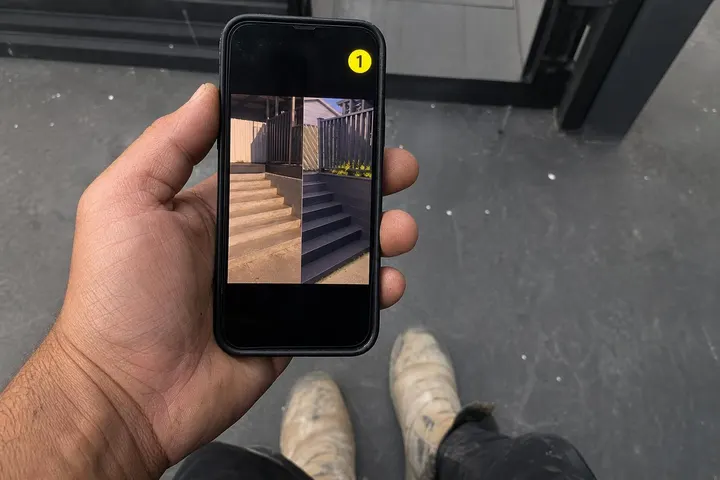
Carousel posts or Reels showing a renovation project from day one to settlement. These generate massive engagement and show what's possible on the vendor's budget.
Client testimonial and sold result posts
A vendor's written testimonial with a photo of them at settlement, or a simple post saying "Sold in 18 days at $2.85M" builds social proof faster than anything else. Use Meta lead ads for agents to put these in front of your local audience repeatedly.
Behind-the-scenes and personal brand content
You walking through an open house, meeting a client, or explaining your appraisal process on video. People buy from people, and showing your face builds connection that a logo never will.
Free suburb report lead magnets
A downloadable one-page "market snapshot" for your suburb sales data, median prices, local insights in exchange for an email address. This feeds your appraisal follow-up list directly.
Video Content: The Format Agents Cannot Ignore in 2027
Reels vs. static posts for appraisal enquiries
Instagram Reels and Facebook video consistently drive 60 to 70% more appraisal enquiries than static carousel posts, according to industry benchmarks. A 60-second Reel reaches more people than a photo will, and the engagement signals tell Meta to push it further. Static posts still work for testimonials and simple announcements, but video is the engine.
What to say in a 60-second market update Reel
Open with a hook: "Sold eight homes in Leichhardt last month, here's the pattern." Show data or footage of properties. Close with "Wondering what your place is worth? Link in bio." That's it. Keep the script tight, the footage moving, and the value clear in the first three seconds.
Low-budget video that still looks professional
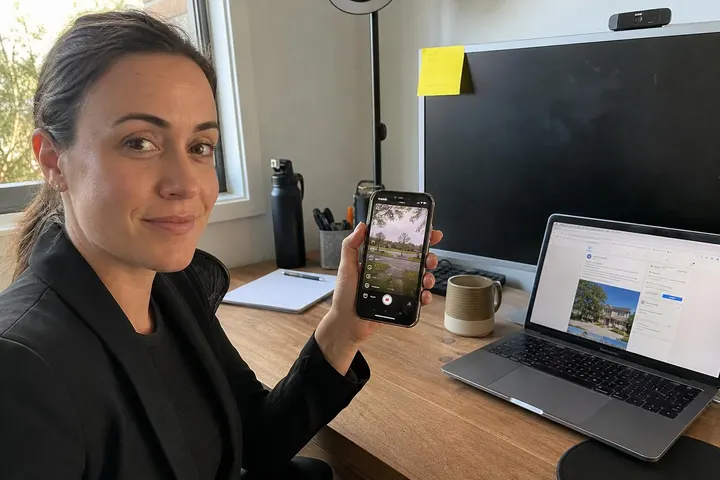
You don't need a production crew. A smartphone, natural light, and a tripod are enough. Record during property walkthroughs, at open houses, or at your desk with a simple backdrop. Edit in CapCut or use AI tools for social media management to speed up the process. Authenticity often beats polish for appraisal lead generation.

Turning Social Followers into Appraisal Enquiries
The right call to action for appraisal posts
Instead of "Like and share," use "Book your free appraisal here" with a direct link. Make it easy a URL to your online calendar, a button link to a form, or a clear instruction to message you. Test different CTAs (phone, email, form) and track which converts best.
Using Meta Lead Ads alongside organic content
Organic posts build authority; running Facebook ads as a real estate agent turns followers into actual enquiries. Lead Ads let potential vendors submit their contact details without leaving the platform, and the cost per enquiry stays low when paired with strong organic social proof. Spend 20 to 30% of your social budget on paid ads promoting your best-performing organic posts.
Following up enquiries fast — why speed decides the win
A vendor who fills out an appraisal form at 7 p.m. on Thursday will forget about you by Friday morning if you don't reply by 8 a.m. Set up automated confirmation emails and answer appraisal requests within two hours. Many agents lose deals not because the lead was bad, but because they moved slowly.
How Often Should Real Estate Agents Post?
Recommended posting cadence by platform
Facebook: 4 to 6 posts per week. Instagram: 3 to 5 posts per week plus 2 to 3 Reels per week. Consistency matters more than volume. Posting daily one week and vanishing the next signals to the algorithm that you're inactive.
Using a content calendar to stay consistent
A social media content calendar removes the daily guesswork. Batch-create content for two to four weeks at a time, schedule it in Meta Business Suite, and spend your actual day time on leads and appraisals, not content creation. Done-for-you social media management can handle this entirely if you'd rather focus on clients.

Measuring What's Working
The metrics that matter for appraisal-focused social media
Ignore vanity metrics like follower count and total likes. Track: click-through rate to your appraisal booking link, enquiries generated per post, cost per enquiry (if running ads), and appraisals booked directly from social. These are the numbers that matter to your business.
What to track beyond likes and reach
Monitor which content types, times of day, and post formats trigger the most appraisal enquiries. Does your market update Reel on Tuesday at 9 a.m. convert better than a testimonial post on Wednesday evening? Track it for four weeks, then double down on what works. Use Meta's native analytics (Insights) to dig into your audience's behaviour without extra tools.
Conclusion
Social media marketing for real estate agents in Australia isn't about posting often or looking professional. It's about building trust through local value, proving your results with social proof, and converting curious followers into booked appraisals. The 70/20/10 content rule keeps you aligned with what vendors actually want to see. Video and Reels dominate in 2027, but consistency and speed in follow-up still decide whether an enquiry becomes a listing.
Start where your audience is (almost always Facebook for appraisals), commit to a content calendar that you'll actually stick to, and measure only the metrics that matter: appraisal enquiries and cost per enquiry. If you're not sure where to begin, a posting frequency for small business audit will show you exactly what your current gaps are. The vendors are on social media right now looking for an agent. Make sure they find you.