Instagram Marketing for Travel Businesses: What to Post Before Peak Season
On this page 8 sections
Key takeaways
- Post Reels for discovery, carousels for planning, Stories for booking prompts
- One tour or experience can generate a full week of content
- Include practical details like duration, inclusions and weather so viewers can plan
- Measure website taps, saves and enquiries, not just reach or likes
- Use location tags and descriptive captions over broad hashtags for searchability
The months before peak travel season are your most valuable window to reach potential guests on Instagram, before they're ready to book. Right now, while they're inspired and planning, is when your content can turn destination interest into website visits and actual bookings. Wait until peak season arrives and you've already missed the moment when people are actively searching for where to go.
Why Instagram Matters Before Peak Season, Not During It
Peak season is too late to build momentum on Instagram. By then, travellers have already decided where they're going. The real opportunity sits in the two to three months before peak season, when people are dreaming, researching and comparing options.
The window between inspiration and booking
Travel decisions don't happen overnight. A potential guest might see a photo of your destination in September, save it, talk to friends, check the weather forecast, compare prices, and finally commit to a booking in October or November. Your Instagram content fills that gap between inspiration and decision.
When you post before peak season, your content serves as the proof that tips the scales. A scenic carousel of your best rooms, a Reel showing what guests actually do on arrival day, or a Story answering common questions all work to convert interest into bookings before the rush hits.
How Instagram fits into the travel decision journey
Instagram rarely closes the booking deal alone. Instead, it moves people from one stage to the next. A Instagram Reel might spark initial interest in your destination. A carousel post helps them visualise an itinerary. A Story answers their practical questions. Eventually, they click your profile link and land on your booking page.
This is why social media management for tourism businesses works best when it's part of a wider strategy. Instagram gets them interested. Your website and email list convert them. SEO for travel and tourism businesses captures people searching for what you offer. Together, they drive bookings in the lead-up to peak season.
Build a Content Funnel, Not Just a Gallery
Most tourism businesses post beautiful photos without a plan for what happens next. Instead, structure your Instagram around a content funnel that guides followers from discovery through to booking.
Reels for top-of-funnel discovery
Reels are your discovery tool. Instagram is testing a Reels-first opening experience, so short-form video is the fastest way to reach new followers who don't yet know your business exists. A 15 to 30 second Reel showing sunrise at your location, a guest doing an activity, or a "what to expect" teaser hooks people before they even know they're interested.
Carousels for itinerary planning and consideration
Once someone is interested, give them a reason to keep thinking about you. Carousel posts work here because they let you tell a fuller story. Post a five-slide carousel showing "Three Days in [Your Destination]" with day-by-day breakdowns, meal suggestions, and what to expect at each stage. Instagram's Edits app now has expanded carousel tools including layouts, text styles and saved styles, so you can create visually consistent carousel posts without jumping between multiple apps.
Stories for availability, questions and booking prompts
Stories are conversational and urgent. Use them to answer the specific questions followers are asking in your DMs. What's the best time to visit? Can you bring pets? Is it accessible for older guests? Post these answers as Stories so everyone benefits, then save the best ones to your profile Highlights so new visitors can find them immediately.
Profile link and bio for the final conversion step
Your Instagram bio is real estate. Make it do work. Test different calls to action in your bio link over a few weeks (booking page one week, a downloadable itinerary guide the next, an email signup form after that) and check which one drives the most profile visits and clicks in your Instagram Insights.
Turn One Experience Into a Week of Content
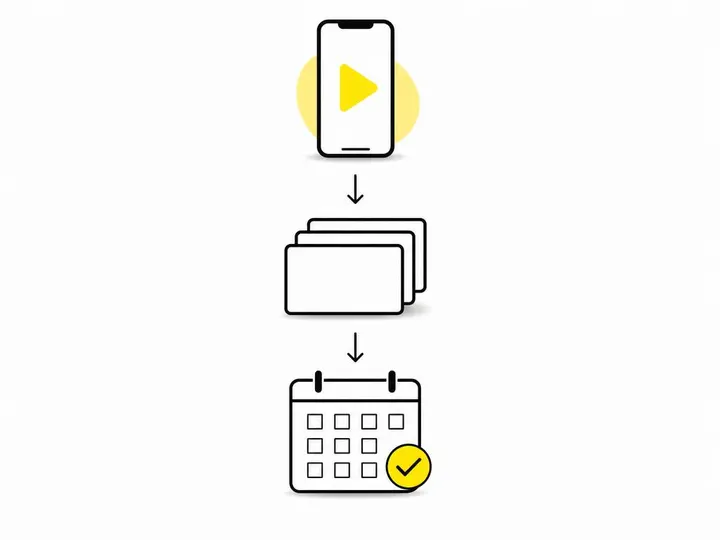
You don't need to stage a photoshoot every week to maintain a consistent Instagram presence before peak season. One guest experience can generate a full week of posts if you plan it correctly.
The content multiplication method
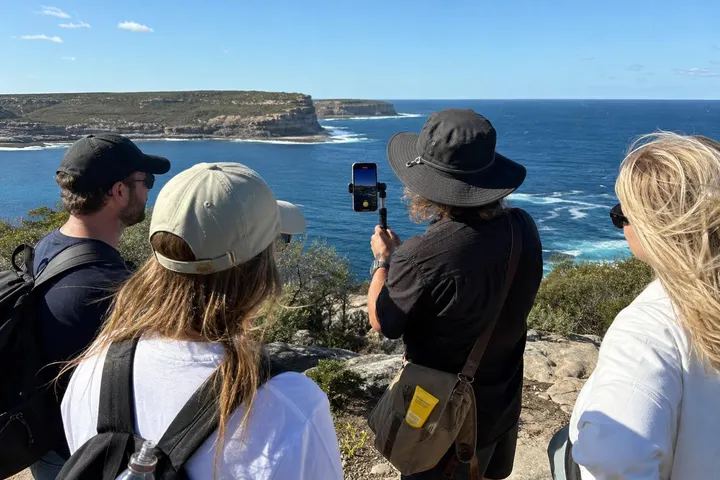
When a guest checks in or a team member experiences your service, capture multiple angles and moments. Film a 30 second scenic clip (Reel), take a wide shot and a close-up of an activity (carousel), grab a candid customer moment (Story), note the exact packing recommendations guests mention (carousel post), record a quick FAQ answer (Reel), and ask the guest for a testimonial (Story or carousel). That's six posts from one real experience, spread across the week.
This approach is authentic because it's real. It's efficient because you're not staging separate shoots. And it answers the questions followers are actually asking because they come from real guests.
Show Practical Information Alongside the Inspiration
Beautiful photos get saves and likes. Practical information gets bookings. Include both in your pre-peak-season posts.
What your followers actually need to book
Alongside the sunset photo, include travel time from the nearest town. Next to the activity video, mention accessibility, age suitability and what's included in the price. When you post a carousel about accommodation, tell followers the cancellation window, whether a deposit is required, and what guests should bring. Write captions that answer common objections or concerns before followers have to ask.
This detail might seem less "Instagram-worthy" than a pure travel inspiration post, but it moves people from dreaming to planning. Someone scrolling a beautiful photo might think "that looks nice". Someone scrolling that same photo with a caption saying "Three-hour drive from Sydney, fully accessible, kids under 12 half price, cancellation free until two weeks before" thinks "I could actually book this".
Use Instagram's Newest Features to Your Advantage
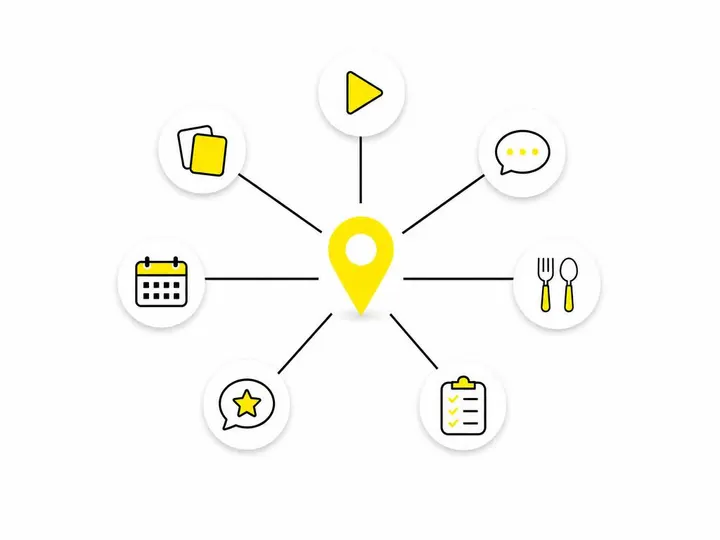
Instagram's 2026 updates offer tourism operators new ways to reach people and structure content more efficiently.
Reels-first discovery and what it means for tourism operators
If you're not prioritising Reels, start now. Instagram is testing a Reels-first app opening, which means short-form video is the top discovery path before people even see the main feed. A scenic Reel will reach more new people than a carousel post, even if the carousel is higher quality. Test writing strong social media hooks that stop the scroll in the first frame of your Reels, then expand the hook with on-screen text or voiceover.
Carousels with Edits: more structure, less guesswork
Instagram's Edits app carousel tools mean you no longer need external design software to create a polished carousel. Use pre-built layouts, consistent text styles and saved style templates to match your brand colours and fonts. This matters for tourism because consistent, professional carousels build confidence in potential guests about the quality of your business.
The 'Use as reference' Reel tool and local comparisons
The "Use as reference" Reel tool lets you record your own Reel while watching another Reel in a small floating window. For tourism businesses, this opens a new way to create local comparisons. Record a Reel showing "our version of that viral waterfall location" or "how our hiking trail compares to the famous one two hours away". You avoid copying while positioning your experience clearly in relation to competitors or similar attractions.
A note on the Features long-form video test
Instagram is testing a long-form video feature called Features, currently available to selected creators in Brazil and the United States. Instagram's official announcement on the Features long-form video test describes it as a way to watch longer videos with shorter clips linking to the full programme. If this rolls out to Australia and your business, it could let you post a 15 to 30 minute destination guide, local history story, or operator interview, then share shorter clips on your main feed that link to the full video. Watch for this, but don't delay your pre-peak-season strategy waiting for it.
Measure Commercial Intent, Not Just Reach
Vanity metrics like follower count and likes don't tell you if Instagram is driving bookings. Track the metrics that actually matter for a tourism business.
The metrics that actually matter pre-peak
Open Instagram Insights and focus on:
Profile visits (followers checking out your business)
Website taps (clicks on your profile link)
Saves and shares on itinerary posts (a sign someone is seriously considering)
Direct messages and enquiries (people ready to ask specific questions)
Reel reach versus carousel reach (which format is driving new eyes)
How to track Instagram's contribution to bookings
Use separate links or campaign tracking codes for Instagram traffic. Create a unique link in your Instagram bio that's different from your website homepage link. Use UTM parameters in Reels that link to your website (utm_source=instagram_reels, utm_medium=social, utm_campaign=peak_season). When someone books, ask in your booking form whether they found you on Instagram. After peak season, review the data to see which content types, posting times, and funnel stages drove the most conversions.
Your Pre-Peak Season Instagram Checklist
Turn the strategy into action with a timeline. Adjust the dates based on when your actual peak season starts.
Six weeks out
Audit your profile. Update bio, check links work, review old photos for brand consistency.
Plan your content calendar with a mix of Reels, carousels, and Stories.
Start capturing content. Brief team members and guests about the shots and moments you need.
Identify location tags you'll use. Use specific destinations and attractions, not just broad region tags.
Four weeks out
Post your first Reels. Test different hooks and posting frequency to see what reaches new people.
Begin carousel posts on itineraries, packing guides, and "what to expect" content.
Set up Instagram Story Highlights with FAQs, testimonials, and "book now" prompts.
Check Instagram Insights weekly. Note which Reels and carousels perform best.
Two weeks out
Post carousel collections of your best customer testimonials and tagged guest photos.
Increase Story frequency to build urgency and answer last-minute questions.
Promote early-booking discounts or availability windows in Stories and Reels.
Coordinate with working with local travel influencers in Australia if you use them, so their content and yours overlap in timing.
Conclusion
Instagram marketing for travel businesses works best when you treat it as a funnel, not a photo gallery. Start six to eight weeks before peak season, use Reels for discovery, carousels for planning, and Stories for conversion. Create multiple posts from one real experience. Include practical booking information alongside pretty photos. And measure success by website clicks and enquiries, not likes alone.
The goal isn't to be an Instagram celebrity. It's to be the first place a potential guest thinks of when they decide to visit your region. If you show them what they'll do, what they'll need to know, and make it easy to book, you'll fill your availability before peak season even starts.