Travel Instagram Reels: What to Film to Sell Tours and Experiences
On this page 7 sections
Key takeaways
- Open with an experience hook, not a landscape shot
- Film the full day: arrival, activity, best moment, farewell
- Show local guides, producers and neighbourhood details over generic scenery
- Include tour name, duration, price and a clear call to action
- Publish near-term availability Reels during Australian summer booking windows
- Track enquiries and bookings, not just views
Instagram Reels are reshaping how travel businesses move viewers from inspiration to actual bookings, but most tour operators are filming the wrong things. Instead of wide scenery shots and vague calls to action, the content that converts shows the real experience: how a day unfolds, what guests actually react to, what makes a destination feel authentic, and exactly how to book. This article walks you through what to film, how to structure your Reels for conversion, and how to measure whether they're driving real enquiries and bookings.
Why Reels Work Differently for Travel Businesses
Short-form video changes the customer journey from passive inspiration to active consideration and booking intent, and Instagram Reels are the platform where travel businesses can demonstrate experience instead of just describing it. Tourism Australia's Come and Say G'day campaign generated approximately A$400 million in earned-media value and 1.3 billion paid video views by showing what travelling here actually feels like. For smaller tour operators, the same principle applies: Reels work because they show movement, sound, real people and authentic moments rather than static postcards.
From inspiration to booking: how the funnel has changed
Travellers no longer scroll through a feed and then separately search for bookings. Expedia Group's research found that 73 percent of travellers said creator recommendations influenced their booking decision, rising to 84 percent among people under 40. This means your Reel needs to do two jobs at once: inspire the viewer and answer practical questions like location, duration, what's included and how to book. If your Reel leaves the viewer wanting to know more but gives them no way to find that information, you've wasted the view.
What the research says about video and travel decisions
The 2026 Tourism Tasmania research revealed that 75 percent of Australians prefer to call themselves travellers, not tourists, and 57 percent actively try to avoid looking like one. That means generic "hidden gem" Reels feel inauthentic and miss the mark. Effective travel Reels position experiences as participatory and locally informed. How Instagram Reels work for small businesses shows similar results across other sectors, but travel content performs above average partly because viewers actively want to see what they're buying into before they book.
The Golden Rule: Film the Experience, Not Just the View
The difference between a Reel that gets likes and a Reel that generates enquiries is whether it shows the guest's perspective and reaction, not the destination's postcard view. This single change turns your content from scenery into evidence of a worthwhile experience.
Start with a question or scenario, not a wide shot
Open with a hook that creates immediate curiosity. Examples include "What happens on a sunrise kayak tour before the crowds arrive?" or "Three things guests do not expect on this food walk." A scenic wide shot of a beach or mountain might be beautiful, but it doesn't answer the question that matters: "What will my day actually be like?" When you open with a scenario, viewers keep watching because they want to know the answer.
Show movement, sound and human reaction
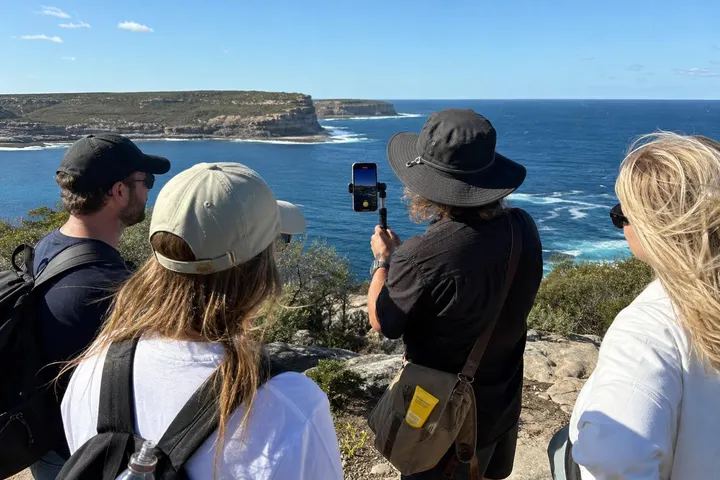
Include footage of people actually participating, laughing, trying something new or reacting to a moment. Capture the guide's voice explaining a detail. Record the sound of waves, food sizzling, or birds calling. These sensory elements make the experience feel real and immediate, not like a travel ad. Movement particularly matters because it holds attention better than static shots and shows the pace and energy of the tour.
Eight Reel Ideas That Move Viewers Towards Booking
These formats are repeatable, tie to your actual product, and work across different tour types and seasons. Build a social media content calendar using three to four of these as your rotation, filming new examples whenever you run a tour.
1. The full-day journey (arrival to farewell)
Compress a tour into 60 to 90 seconds: guest arrives, meets the guide, moves through the main experience, shares a highlight moment and says goodbye. This answers the core buyer question and shows the shape and pace of the day.
2. The guide's local tip
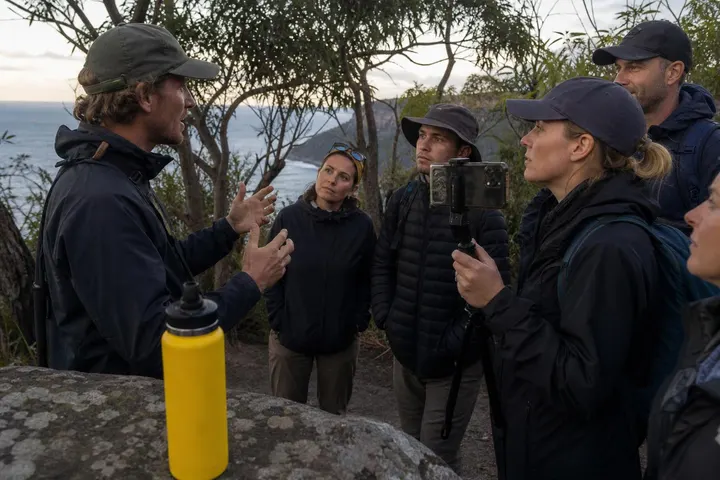
Your guide shares something a typical tourist would miss: a neighbourhood cafe, the best time of year for wildlife, a shortcut locals use, or the story behind a place. This positions your business as genuinely local and insider, not generic.
3. Guest reaction moment
Capture a genuine laugh, surprise, amazement or "aha" moment from a guest. No acting required. This is powerful social proof and shows what emotions the experience creates.
4. What to bring (practical and trustworthy)
Show real items guests need: water bottle, sun cream, comfortable shoes, a camera, light layers. Briefly explain why each one matters. This practical content builds trust and signals that you've thought about guest comfort and safety.
5. Three things guests do not expect
Highlight surprises that make your tour different: a wildlife encounter, a home-cooked meal, meeting a local craftsperson, the physical difficulty level, or the views from an unexpected angle. This addresses silent objections and separates your tour from similar ones.
6. Near-term availability and seasonal urgency
Post Reels around remaining dates, school-holiday availability, seasonal experiences (whale migration, wildflowers, sunset sessions) and last-minute opportunities. Last-minute summer travel booking is a real trend: some Australian travellers book a week or two before departure, and Reels can reach them when they're actively looking.
7. Authentic local experience (non-touristy angle)
Show the experience through a local lens or with local partners. Film a conversation with a producer, artist or resident. Show how locals actually use or enjoy the space. Avoid vague claims like "hidden gem" without explaining what makes it special.
8. Creator or guest takeover with disclosed partnership
Invite a travel creator or local storyteller to experience your tour and share the Reel from their account. The strongest creator partnerships disclose the arrangement and focus on practical details and honest reaction. Choosing the right creator for your brand means matching their audience and tone to your business rather than chasing follower count.
How to Make Your Reels Actually Convert
A view is not a booking. To turn Reels into revenue, you need to close the loop between inspiration and action by embedding booking information directly into the content and tracking which Reels drive actual enquiries.
Include practical booking details on screen or in caption
Overlay or mention the tour name, location, duration, price (or starting price) and availability. For example: "Morning Sunrise Kayak, Noosa Heads, 2 hours, from $65. Book link in bio." In the caption, include a direct call to action: "Limited spots on Friday and Saturday. Link in bio to check availability and book." Make this information easy to scan; viewers should not have to guess what they're looking at or how to book it.
Link your profile and Stories to the booking page
Use your profile link to direct traffic to your booking page or booking tool. Add Story stickers and swipe-up links (if available on your account) that lead directly to book or enquire. The goal is to remove friction: a viewer who watches your Reel should be one click away from booking, not three or four.
Measure what matters: enquiries and completed bookings
Track clicks to your booking page from Reels, the number of enquiries that mention or reference a specific Reel, and completed bookings traced back to Instagram. Use UTM parameters on your booking link to identify traffic from Reels specifically. Views, likes and shares feel good, but enquiries and bookings are the real metric. If a Reel drives 50,000 views but no bookings, it's not working for your business.
Building a Repeatable Reel Series
Consistency beats viral luck, and you do not need to reinvent your content every week to stay on the feed.
Choose three to four formats and rotate them
Use your eight ideas above to pick three or four that align with your business type and capacity. For example: a kayak tour might rotate between "60 seconds on the water," "guest reaction moment," "guide's local tip" and "what to bring." Design a simple visual template for each format so viewers start to recognise your style.
Batch filming on tour days to stay consistent
Film 10 to 15 short clips every time you run a tour, capturing different angles, reactions and details. Spend a few hours each week editing and publishing from that footage. This takes the pressure off trying to film and produce daily and means you're never scrambling for content. How often to post on Instagram is typically three to five times per week for tour operators using Reels; batch filming makes this sustainable. Consider social media management for tourism businesses if production becomes a bottleneck.
Common Mistakes Tour Operators Make on Reels
Avoid these patterns and your Reels will perform better than most.
Opening with a logo or long scenery sequence
Start with the experience or question, not your branding. Viewers decide to keep watching in the first second, and a logo or generic landscape makes them scroll past. Save your branding for the end or for the caption.
Vague claims like 'hidden gem' without explanation
Show what makes it special. Instead of "hidden gem waterfall," say "This waterfall is only accessible from June to September after heavy rain. Local guides know the safest route and the best photo angle, and you'll rarely see crowds." Specificity builds credibility and separates your tour from competitors.
Posting without a call to action
Every Reel needs a clear next step. That could be "Link in bio to book," "DM for group rates," "Check availability for summer dates" or "Save this and tag a friend who needs to try this." Without it, viewers feel inspired but do not know what to do next, and you lose the conversion opportunity.

Conclusion
Travel Reels convert when they show the real experience, answer practical questions and make booking easy. The difference between a scenic view and a booking driver is whether the Reel helps the viewer imagine themselves participating, not just admiring a destination. Use the eight formats above, embed booking details directly into your content, and measure enquiries and bookings rather than views alone. Manage your social media consistently by batch filming on tour days and rotating three to four formats, which makes production sustainable and helps you build a recognisable content style.
Your best Reels will come from your actual tours, not from stock footage or imagined scenarios. Film real guests, real guides and real moments of surprise or joy. Link every Reel to your booking page, include clear call-to-action text and track which videos drive actual enquiries and completed bookings. The platforms and algorithms will continue to change, but short-form video that demonstrates a real experience and removes barriers to booking will remain the most valuable content you can create for a tour business in 2027 and beyond.