Facebook vs Instagram for Small Business: Where Should You Focus?

On this page 8 sections
Key takeaways
- Facebook reaches more Australians overall, especially Baby Boomers and Gen X
- Instagram suits visual, lifestyle and discovery-led businesses best
- Instagram requires consistent high-quality images or video to perform
- Paid ads can test both platforms before you commit your organic effort
- One content system can serve both channels if you adapt format and caption
For most Australian small businesses, the Facebook vs Instagram question comes down to two things: who your customers are, and how much content you can realistically produce each week. Popularity matters far less than fit, and choosing the wrong platform usually means months of posting into silence.
This guide compares the audiences, content demands and advertising costs of each platform, then gives you a simple way to decide. If you already lean towards one, our guides on Facebook marketing for local businesses and Instagram Reels for small business go deeper.
How Many Australians Are Actually on Each Platform?
Facebook reaches more Australians than Instagram, with roughly 17.7 million users compared with about 15.2 million on Instagram.
Facebook's reach advantage
Figures from DataReportal Digital 2026: Australia (published November 2025) put Facebook's reach at around 65.3% of the population. Its audience is broader and older, with strong reach among Gen X and Baby Boomers, the people who often control household and business spending.
Instagram's younger, visual-first audience
Instagram reaches roughly 56% of the population and skews younger, with particular strength among women aged 25 to 34. People use it to discover, browse and judge how things look before they buy.
Why the numbers differ depending on the source
You'll see other figures quoted, such as Facebook reaching 80.6% of Australian social media users and Instagram 65.9%. Those are percentages of social media users (about 21 million people), not the whole population. The methods differ, but the direction is consistent: Facebook has wider reach, Instagram remains a large channel for younger, visual discovery.
Which Platform Suits Your Type of Business?
Facebook suits businesses chasing broad local reach and older customers, while Instagram suits businesses whose customers decide based on how things look.
When Facebook is the better fit
Your customers are families, retirees or people over 40
You rely on local community groups and word of mouth
You sell second hand, bulky or local goods through Facebook Marketplace
You run events, workshops or regular local offers
When Instagram is the better fit
Cafés, restaurants and bars
Hair, beauty, nail and skin clinics
Fitness studios and personal trainers
Interiors, florists, fashion and handmade products
Real estate and property styling
Industries where both platforms earn their place
Retail shops, wedding suppliers, allied health practices and local venues often do well on both. A boutique might find new customers on Instagram and keep loyal regulars informed through a Facebook Page and group.
What Content Each Platform Actually Rewards
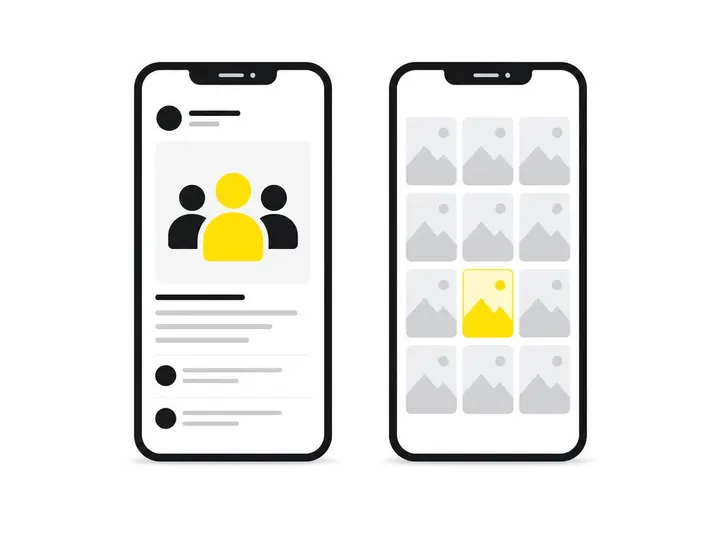
Facebook rewards conversation and useful local updates, while Instagram rewards strong visuals and short video, especially Instagram Reels.
What works on Facebook
Offers, events, customer reviews, behind the scenes updates, links to your website and posts that start a conversation. Plain photos taken on your phone are fine. Facebook is forgiving if the information is useful.
What works on Instagram
Reels, Stories, carousels, before and after shots, product demonstrations and customer content. Polish matters more here, and video drives most new reach.
Be honest about your content capacity before you choose
Instagram needs a steady supply of good visuals. If you can't produce two or three decent images or short videos a week, it will feel like a treadmill. A café owner with a phone and great food has an easy job; an accountant does not. Pick the platform you can feed consistently.
Comparing Advertising Costs and Paid Strategy
Neither platform is automatically cheaper to advertise on, because costs depend on your audience, objective, competition and creative rather than the app itself.
How Meta's shared ad system changes the decision
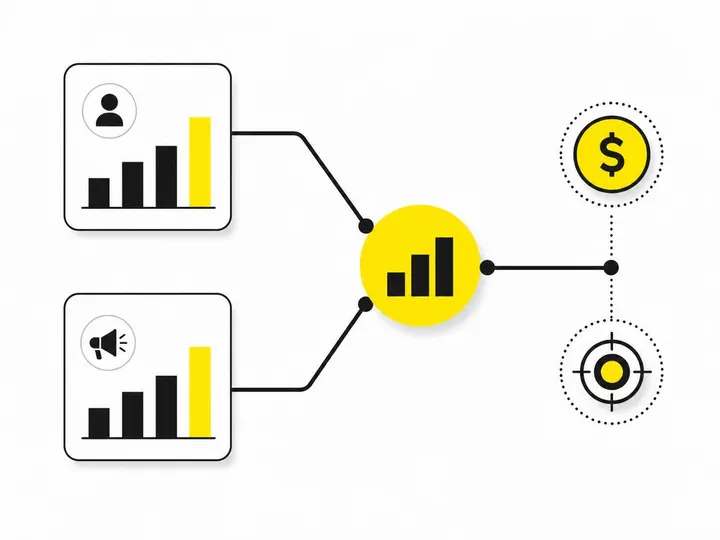
Facebook and Instagram ads both run through Meta Ads Manager, using the same campaigns, audiences and budgets. That means you don't have to pick one for paid advertising. Our breakdown of what Meta ads cost in Australia covers typical budgets in more detail.
How to use paid campaigns to find the cheaper platform for your business
Start with Advantage+ placements, which let Meta's system show your ad wherever it performs best. After a few weeks, check the placement breakdown in Ads Manager and compare cost per enquiry, booking or sale. Then shift budget towards whichever platform is delivering cheaper results.
Separating organic effort from paid budget
Your organic choice and your paid choice don't have to match. You might post mainly on Facebook while your ads find most customers on Instagram. Judge each on results, not habit.
Can You Run Both Without Burning Out?
Yes, most small businesses can run both platforms by creating content once and adapting it for each, rather than producing two separate streams.
One content system, two platforms
Take one idea, such as a new product or a happy customer, and adjust it. Shoot it vertically for a Reel, crop a still for Facebook, and change the caption and call to action to suit each audience. A simple social media content calendar keeps this manageable.
Tools that make cross-posting practical
Meta Business Suite is free and lets you schedule posts to both platforms, reply to messages in one inbox and view basic insights. Connect your Instagram professional account to your Facebook Page first.
When to commit to one platform only
If you have under two hours a week for social media, focus organic effort on one platform and keep the other profile tidy with basic details. One active account beats two neglected ones.
The Recent Changes You Should Know About
Three recent Meta changes affect Australian businesses in 2026: a new unified login, updated business terms and a heavier push into AI driven advertising.
Meta Account rollout in Australia (late 2026)
From late October 2026, Meta began moving some Australian users from Accounts Centre to a single Meta Account covering login and selected security settings for Facebook, Instagram, Messenger, Threads and Meta AI. According to the ABC News explanation of the Meta Account rollout in Australia, this doesn't merge your profiles. The Page to Instagram connection for business tools stays separate.
Updated business terms and website crawling
Updated business terms applying from 30 October 2026 reportedly give Meta broader permission to crawl and analyse websites linked to businesses using its commercial products. Meta says it simply consolidates existing agreements. If that concerns you, ask your web developer to review your site's crawler settings.
What Meta's AI investment means for small-business advertisers
Meta has lifted its 2026 capital spending forecast to US$135 billion to US$145 billion, largely for AI. Expect more automated targeting and creative tools. They can save time, but you still need to check results and keep your own ad copy accurate.
Making the Call: A Simple Decision Framework
Choose the platform where your customers already spend time and where you can post consistently, then test and adjust.
The five questions to ask before you decide
How old are most of my customers?
Do they judge my business on how it looks?
Do I rely on local community and word of mouth?
Can I produce visual content every week?
Do I need people to discover me, or to act right now?
Starting lean and scaling what works
Commit to one primary platform for three months, track enquiries and sales, and run a small test ad across both. If you'd rather hand the testing over, our Meta Ads Management service can set it up properly.
Conclusion
Facebook offers wider Australian reach and suits local, community focused and older audiences. Instagram suits visual businesses chasing younger customers, but it demands more creative effort. Because both run on Meta's shared ad system, paid testing can show you which delivers cheaper results for your business.
Your practical next step: answer the five questions above, pick one primary platform, and give it three consistent months before judging. If time is the real barrier, consider help managing your social media so the work actually gets done.