Facebook and Instagram DM Leads: How Australian Small Businesses Should Reply to Win More Bookings
On this page 7 sections
Key takeaways
- Reply within 5 minutes of receiving a DM, every hour of delay costs you leads
- A useful first reply beats a long back-and-forth every time
- The 24-hour messaging window means slow replies can lock you out entirely
- Automate acknowledgements only; keep pricing and booking confirmations human
- Track response time and booking outcomes, not likes or follower counts
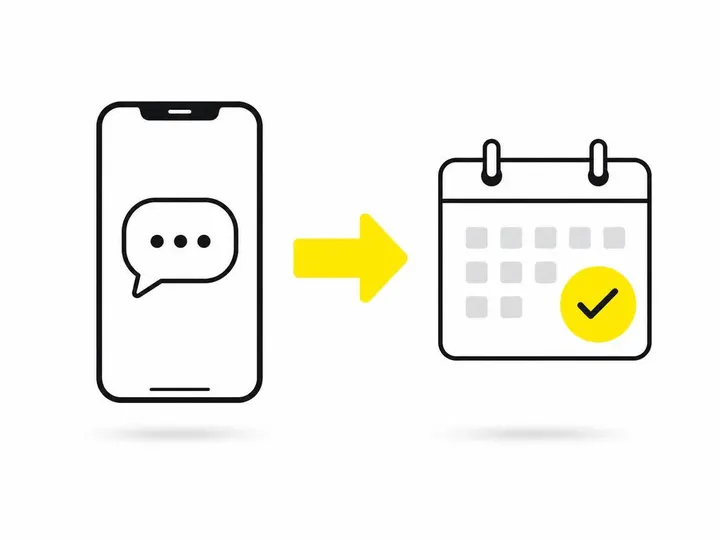
Most Australian small business owners miss sales because they reply to Facebook and Instagram messages too slowly, or they reply with unhelpful generic text that does not move the conversation toward a booking. A prospect messaging you on Instagram or Facebook is already interested; your job is to answer fast, answer their actual question, and give them one clear next step. This article walks you through a five-minute reply process that works, shows you how to handle the three questions you will get most often, and explains how to use automation without losing the human touch that wins the booking.
Why Your DM Reply Speed Matters More Than You Think
Replying to a Facebook or Instagram direct message within the first hour makes you 60 times more likely to qualify that lead than waiting until the next day. This figure comes from a 2026 audit of 1.25 million leads tracked across multiple industries. Speed alone does not win the booking, but speed kills the competition, especially in local services where multiple businesses may be messaging the same prospect.
The 24-hour messaging window explained
When a customer messages you on Facebook Messenger or Instagram DM, you have a specific window to reply before the conversation drops into a different status on the platform. The 24-hour messaging window is the time frame within which your reply will appear in the customer's primary inbox, using standard rates and without special permissions. After 24 hours, your follow-up messages may not arrive at all, or they will incur higher delivery costs if you are running campaigns.
This does not mean you have 24 hours to reply. It means that if you reply within 24 hours of their message, the conversation stays warm and your reply goes through. If you wait longer, you lose the advantage. The practical lesson: treat every new message as something to answer before your next break.
What Australian data says about response rates
Workvolve's 2026 Australian speed-to-lead audit found that only 37% of Australian businesses replied to an enquiry within an hour, and 23% never replied at all. That means nearly one quarter of leads were simply ignored. For a small business competing for bookings, faster replies than your average competitor become a straightforward competitive advantage. If you answer within an hour and your competitor waits until the next day, you win the customer most of the time.
The Five-Minute DM Process: A Simple Reply Framework
You do not need a complicated system to reply well to Facebook and Instagram messages, but you do need a structure so that your replies are consistent and move toward a booking instead of drifting into a long chat that goes nowhere. Follow these four steps every time someone messages you with an enquiry.
Step 1: Acknowledge and thank within minutes
The first message should thank the customer and confirm that you received their enquiry. Keep it warm but brief. "Thanks for getting in touch, [name]. I have your message and I am looking at your request now." This takes 20 seconds and tells the customer that a real person saw their message, not a bot.
Step 2: Answer the immediate question directly
If they asked "Are you available on Friday?", do not respond with a question back. You answer: "Yes, we have Friday slots available. Can you tell me which time works best for you?" You are giving them useful information first, then asking. If they asked "How much does it cost?", give them a starting price or a range, not silence.
Step 3: Ask one clarifying question (not five)
You need to qualify the lead, but not by interrogating them. Pick one question that tells you whether this enquiry is worth your time. For a plumber: "Is this a new install or a repair?" For a hairdresser: "Are you a current customer or is this your first time?" For a cleaner: "Are you looking for a one-off clean or regular service?" One good question beats five bad ones.
Step 4: Offer two clear next actions
Tell them exactly what to do next. "You can book a time using this link [booking link] or reply with three dates that suit you and I will confirm." Two options keeps it simple. Avoid asking them to call you unless calling is genuinely the only way forward.
Scripts for the Three Most Common DM Questions
These three questions account for most of the messages you will receive on Facebook and Instagram. Use these scripts as your starting point and adapt them to your business.
How much does it cost?
Reply: "For [service], most customers spend $[X] to $[Y] depending on the specifics. To give you an exact quote, I need to know [one detail]. Can you tell me [question]?" You are showing them a realistic range, explaining why the price varies, and asking for exactly what you need. Do not undersell by giving only the cheapest option, and do not overwhelm them with a long explanation of pricing tiers. Give a range and move forward.
Are you available on this date?
Reply: "Yes, [date] works for us. Just to confirm, what time suits you best? Morning, afternoon or evening?" You have answered the yes-or-no question. Now you need one more piece of information to move to a booking. This reply gets you 90% of the way there without a long back-and-forth.
Can I get a quote?
Reply: "Absolutely. To put together an accurate quote, I need a bit more detail. Can you tell me [one or two specifics, such as location, size, or type of job]? Once I have that, I can send a quote over by [time frame]." You have agreed to what they asked for, you have told them what you need, and you have set an expectation for how fast they will hear back.
How to Qualify a Lead Without Interrogating Them
Lead qualification simply means figuring out whether this person is a genuine prospect worth your time. Most small business owners either skip qualification entirely or ask 10 questions and kill the deal. The middle ground is asking for the five pieces of information that actually matter.
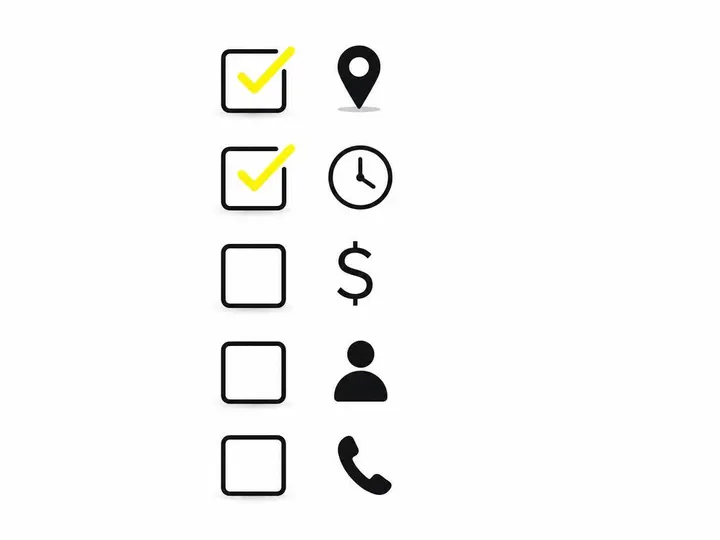
The five things you actually need to know are: the service they want, their location (whether you can reach them), when they need it done, how urgent it is, and how to contact them if the conversation drops. You do not need to ask all five in the first message. Spread them across the conversation naturally. "When do you need this done?" is a qualifying question. "What is your budget?" is sometimes useful, but for many small businesses it creates friction early on. Ask it only if it makes sense for your work.
Once you have these details, you can decide whether to send a quote, book a call, or offer them a booking link to lock in a time. A simple lead qualification process saves you from chasing leads that will never convert and helps you prioritise the ones that will.
Using Automation Without Losing the Human Touch
You can use automation to reply faster, but only if you set it up correctly and test it before it goes live. The risks of bad automation are high: sending incorrect availability, quoting the wrong price, or appearing robotic enough to lose the customer's trust.
What Meta Business Suite can handle
Meta Business Suite allows you to set up keyword automations that trigger replies when someone messages you with specific words. If your business closes on weekends, you can set an automation to reply "Thanks for your message. We are closed today but will get back to you tomorrow morning." This is honest and helpful, not a runaround.
You can also use automations to send a booking link when someone asks "How do I book?" or to trigger a reply to frequently asked questions. DM automation for small business works well for questions you answer the same way every time.
What must stay with a real person
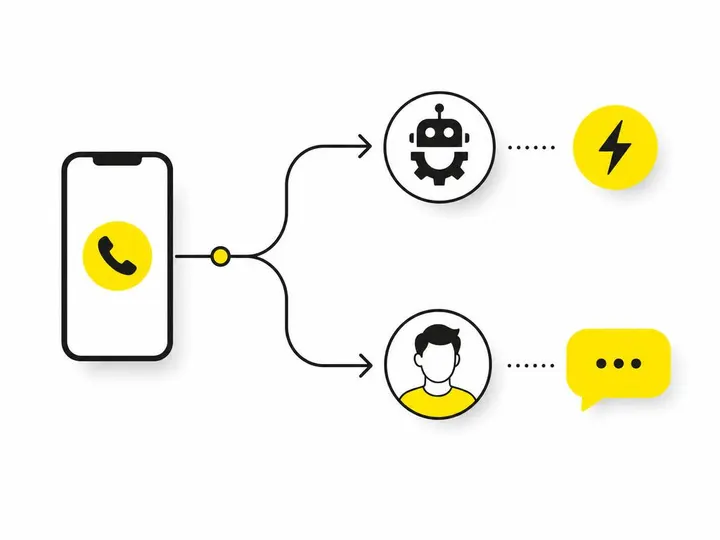
Do not automate replies to pricing questions, availability questions, or complaints. Do not use automation if the answer requires you to check your calendar, confirm stock, or make a judgment call about whether the customer is a good fit. Automation is for acknowledgement and routing, not for decisions.
Testing your automations before they go live
Before you turn on a keyword automation, message your business account from a friend's account and make sure the automation sends the message you intended, at the time you expected, and that it does not promise something you cannot deliver. A wrong automated message damages trust faster than a slow human reply.
How to Track DM Leads So You Know What Is Working
You cannot improve what you do not measure. Most small business owners know how many followers they have but have no idea how many DM enquiries they receive each week, how fast they reply, or how many turn into bookings.
The six numbers worth tracking
Track these six metrics in a simple spreadsheet or a CRM:
Number of enquiries received (by week)
Average time to first reply
Number of unanswered enquiries
Number of conversations that qualified
Number of booking links clicked
Number of bookings completed
If you track these numbers for four weeks, you will see patterns. You might discover that you reply fast to Instagram but slowly to Facebook, or that Saturday enquiries never convert because you do not work weekends. A response time tracking for small business setup does not need to be fancy. A Google Sheet updated once a week is enough to show you whether your process is working.
Why likes and followers do not tell you enough
A business can have 5,000 followers and zero bookings if the followers are not the right people and the replies are slow. Likes and followers are vanity metrics. They do not pay your bills. Booked appointments, completed jobs, and happy customers are what matter. Start measuring those instead, and use Facebook marketing for local business with a focus on lead quality, not audience size.
Conclusion
Winning more bookings from Facebook and Instagram messages starts with one simple change: answering faster and answering the question the customer actually asked, not a generic reply that makes them wait for more information. The five-minute framework of acknowledge, answer, qualify, and next steps works because it treats every message as a potential customer, not a task to be processed later.
Use automation to handle routine acknowledgements and frequently asked questions, but keep pricing, availability, and booking decisions with a real person. Track your response times and conversion rates so you know whether your process is working, and test every automation before it goes live. Small businesses that reply to DM leads within an hour and move conversations toward a booking in two to three messages win significantly more customers than those that treat social media messages as a low priority.
Start this week by picking one platform (Facebook or Instagram) and committing to reply to every message within an hour. After two weeks, measure your results. You will see the difference in booking rates, and you will wonder why you did not do it sooner.