AI Receptionist for Australian Small Businesses: What It Can Handle and What It Cannot
On this page 7 sections
Key takeaways
- AI receptionists handle bookings, FAQs, and call routing reliably
- They cannot manage complex complaints or nuanced sales calls
- Regional and strong Australian accents can reduce accuracy
- Setup costs range from around $50 to $300+ per month
- Best used as a first-response layer, not a full replacement
An AI receptionist can save your small business hundreds of hours a year on call handling, but it's not a magic bullet. It works brilliantly for after-hours calls, appointment bookings, and routine questions, yet stumbles when Australians speak fast, complain emotionally, or need real human judgment. Before you sign a contract, you need to understand exactly what these systems handle well and where they'll let you down.
What Is an AI Receptionist and How Does It Work?
An AI receptionist is software that answers incoming phone calls, listens to what the caller says, and responds or routes the call based on what it understands. Unlike a basic automated voice menu that forces you to press 1, 2, or 3, a true AI receptionist uses natural language processing (NLP) and speech recognition to understand conversation in real time.
How AI phone answering actually processes a call
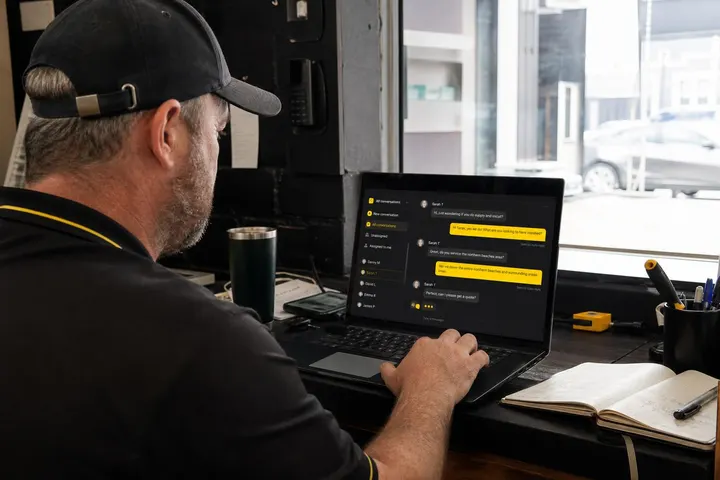
The moment your phone rings, the system springs into action. First, speech recognition converts the caller's voice into text. Then NLP analysed that text to work out intent: is the caller booking an appointment, asking a question, or complaining? Next, the AI decides whether to answer directly, transfer the call, or record a message. All of this happens in seconds, and the whole thing runs on cloud servers, not your local office hardware.
Platforms like Dialpad, Nextiva, and RingCentral all use variations of this technology. The quality varies widely based on training data, accent recognition, and how well the system handles Australian English slang and regional speech patterns.
The difference between a basic phone bot and a true AI receptionist
A basic phone bot is pre-programmed: "Press 1 for sales, press 2 for support." It's rigid and frustrating. A true AI receptionist listens to natural speech and makes sense of it without forcing the caller into a menu. Instead of "Press 1," the caller just says "I'd like to book an appointment," and the AI understands and acts on that request directly. In practice, most systems on the market in 2026 sit somewhere in the middle, combining rule-based logic with genuine AI intelligence.
What an AI Receptionist Handles Well
AI receptionists excel at high-volume, repetitive tasks where the context is straightforward and emotions are low.
After-hours and overflow call answering
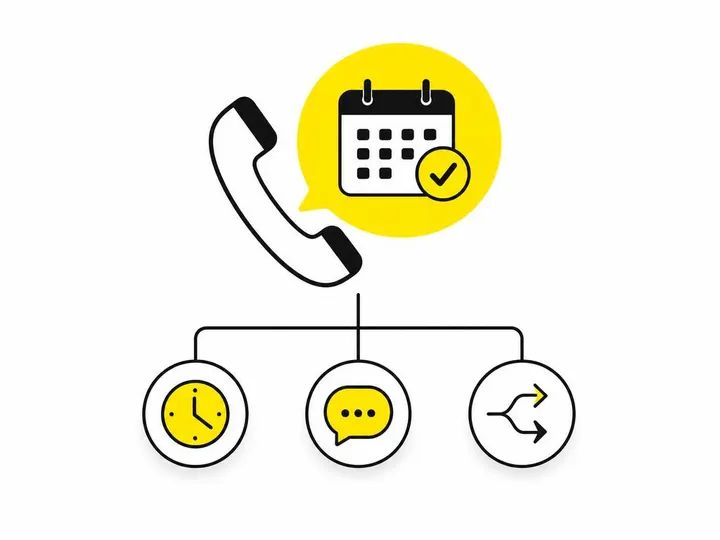
This is where AI shines. When your office is closed at 10 p.m. or swamped with calls on a Friday afternoon, the AI picks up and greets the caller professionally. It can answer common questions (opening hours, location, service fees) and take a message without your team lifting a finger. For tradies and allied health practitioners, this alone justifies the cost, because it stops you missing calls when you're on site or in consultation.
Appointment bookings and confirmations
If your business relies on appointment scheduling, an AI receptionist paired with appointment scheduling software can handle most of the booking workflow automatically. The caller says "I'd like to book a massage next Tuesday," and the AI checks your calendar, offers available times, and confirms the booking. It can also send reminders and follow-ups, reducing no-shows.
Answering frequently asked questions
Questions like "What are your rates?", "Do you offer a discount?", or "Where do you operate?" can be answered instantly by the AI if you've trained it on your company information. This saves your staff from answering the same question fifty times a day.
Call routing and message taking
The AI can listen to the caller, understand which department or team member they need, and transfer them automatically, or take a detailed message if nobody is available. When paired with a missed-call text-back system, this creates a smooth handoff between automated and human touch. Read more about how to automate your missed-call follow-up for best results.
Where AI Receptionists Fall Short
AI systems hit a wall the moment calls become complex, emotional, or linguistically tricky.
Complex complaints and emotionally charged calls
An upset customer who's unhappy with your work needs empathy, context, and authority to make decisions on the spot. An AI receptionist will hear the words, miss the emotional tone, and either give a canned response or transfer the call awkwardly. You'll end up frustrating the caller further. This is a job for a human.
Nuanced sales conversations that need human judgment
If your business relies on consultative sales where the rep needs to ask probing questions, understand the customer's budget, and make judgment calls, AI receptionists are not your solution. They can pre-qualify leads or capture initial interest, but closing a sale almost always needs a human voice and quick decision-making. For more on this, see how to use AI-powered lead response for small business as a first-contact tool, not a closer.
Australian accents, slang, and regional variations
This is the hard truth: most AI systems are trained primarily on American and British English. A thick Australian accent, Aboriginal English, or colloquial speech patterns (like using "arvo," "mate," or "no worries" as a closing) can confuse the system. Some platforms are improving, but as of 2026, speech recognition accuracy for Australian English sits lower than for American English. Test your system with real Australian callers before you go live.
Situations requiring real-time decision-making or authority
If a caller needs an exception, a refund approval, or a custom quote, the AI cannot make that call. It doesn't have authority, access to your financial systems, or the business sense to know when to bend the rules. You'll need a fallback to a real person fast, or the call will go nowhere.
What Does an AI Receptionist Cost in Australia in 2026?
Pricing varies widely depending on call volume, features, and how many human staff you integrate.
Monthly subscription versus pay-per-minute pricing
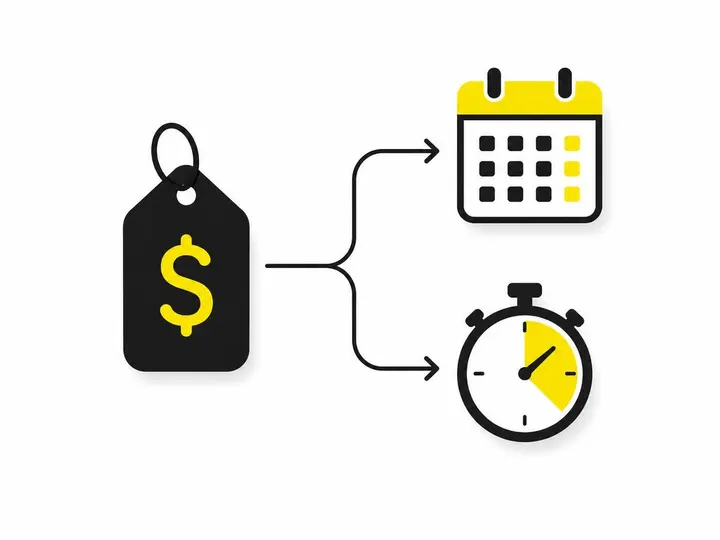
Most AI receptionist platforms charge a monthly subscription ranging from $50 to $500 AUD per month for small businesses, depending on features and call limits. Some charge per minute of AI handling, typically 5 to 50 cents per minute. For a business taking 50 to 100 calls per day, a monthly subscription is usually cheaper. If you're taking 5 to 10 calls per day, pay-per-minute might be better value. Work out your call volume first before comparing quotes.
Hidden costs to watch for
Integration with your existing phone system, custom training for the AI, and handoff to a call centre when the AI can't handle the call all add cost. Some platforms also charge setup fees or require a minimum contract term. Factor in 15 to 20 percent extra on the headline price for these add-ons. Also check whether data storage and call recordings are included or billed separately.
Which Australian Small Businesses Get the Most Out of It?
Not every business needs an AI receptionist. But certain types see immediate ROI.
Tradies and service businesses
Plumbers, electricians, carpenters, and landscapers spend most of their day on site, away from the phone. An AI receptionist that books appointments, takes job details, and calls the tradie with a message at the end of the day is worth its weight in gold. Tradies especially benefit because they often have high after-hours call volume from emergency work. Check out how to qualify leads faster as a tradie to pair with your AI system for maximum efficiency.
Allied health and medical practices
Dentists, physios, chiropractors, and counsellors all need reliable appointment booking. An AI receptionist can handle 80 percent of routine calls, freeing your staff to focus on patient care instead of answering "Do you have an appointment on Thursday?"
Businesses with high after-hours call volume
If you get significant calls outside business hours and currently lose them, an AI system will capture them, take a message, and follow up with a text when you're back online. The return on investment is fast if you're currently losing business to unanswered calls.
How to Set One Up Without Getting Burned
Here's a practical roadmap to avoid common mistakes.
Defining the scope before you buy
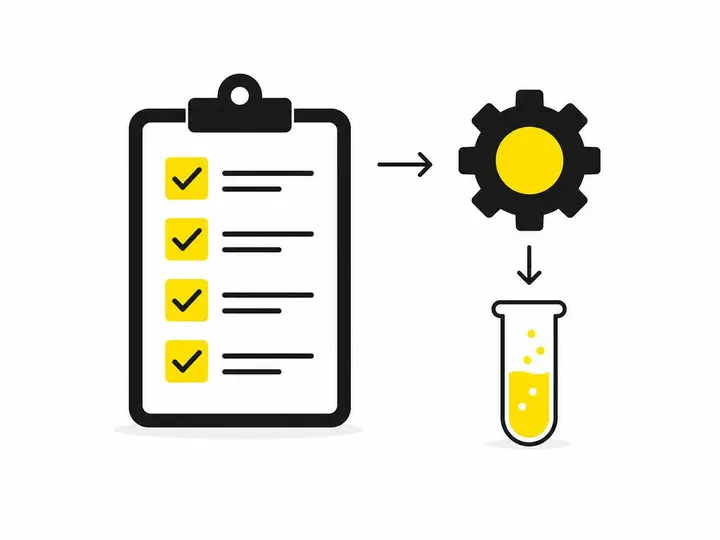
Write down exactly which calls the AI should handle and which should go straight to a human. Aim to automate 70 to 80 percent of your volume, not 100 percent. This means after-hours calls, routine questions, and appointment bookings go to the AI. Sales calls and complaints go to your team. Once you have this clear, you can choose a platform that fits instead of overpaying for features you won't use.
Testing with real calls before going live
Most platforms offer a trial period. Set up the AI with realistic scripts and test it with friends, family, and actual customers (with their permission). Listen for where it fails. Does it miss Australian accents? Does it misunderstand your industry jargon? If it fails on 20 percent of test calls, it will fail in production. Adjust the training or pick a different platform.
Pairing AI with an automated missed-call follow-up system
AI receptionists are powerful alone, but they're even stronger when combined with automation. If the AI takes a message and the caller's number is captured, an automated text-back or email reminder can reach the customer immediately. This bridges the gap between the AI handling the call and your team calling back. Learn more about setting up missed-call text-back for Australian small businesses to create a seamless handoff.
Conclusion
An AI receptionist is a practical investment for Australian small businesses that handle high call volumes, book appointments frequently, or lose calls during busy periods or after hours. It handles routine, low-emotion, straightforward communication reliably. But it's not a replacement for human receptionists, sales staff, or customer service teams. It's a force multiplier that handles the volume so your people can focus on complex, high-value conversations.
Before you sign up, be honest about your call patterns, test the system with real Australian voices, and make sure you understand pricing and integration costs. Pair it with a text-back automation when you miss a call to close the gap between automation and human touch. If you start with the right scope and realistic expectations, you'll see real time savings and fewer missed opportunities within the first month.