Missed Call Text Back for Australian Small Businesses: How It Works
On this page 9 sections
Key takeaways
- An unanswered call sends an automatic SMS within seconds
- Leads stay warm instead of calling your competitor next
- Setup takes under an hour with no coding required
- Compliant SMS messaging requires opt-out options under Australian spam law
- Works on existing mobile or landline numbers via third-party platforms
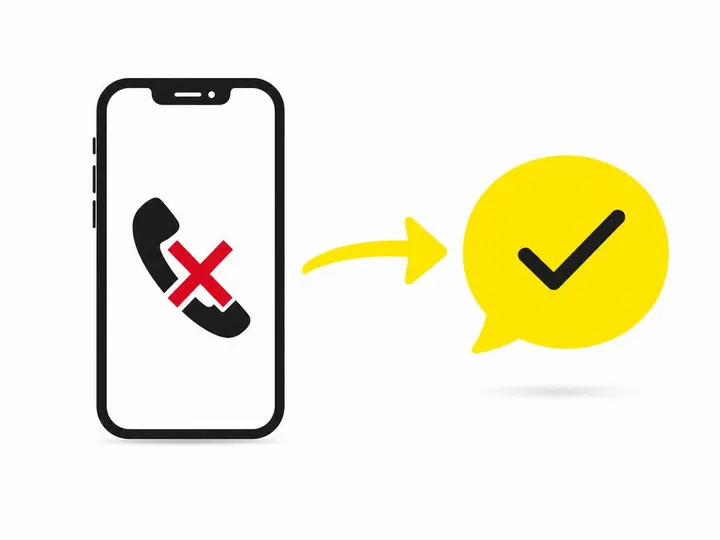
Every missed call costs a tradie or small business owner money. A customer rings at 9am while you're on a job site, gets voicemail, and hangs up. They've already moved on to the next number in their Google search. Missed call text back is a simple automation that sends an automatic SMS the moment someone calls and doesn't reach you, giving you a second chance to reply and win that job.
Why Missed Calls Kill Small Business Revenue
Tradies are busy — calls get missed constantly
You're in the roof cavity. Your phone is in the van. A potential customer rings your business number, hears voicemail, and hangs up without leaving a message. That's not laziness on their part. Australians expect faster responses, and if they don't reach you, they'll call the next plumber, electrician, or painter on the search results.
Most small businesses lose between 30 to 50 percent of inbound calls because they simply can't answer in time. For tradies, the problem is worse: you're physically on site, away from your desk, covered in dust or mud. Missing calls is built into the job.
What happens when a caller hits voicemail and hangs up
Research from customer service firms consistently shows that missed calls without any follow-up result in lead abandonment rates over 60 percent. The caller doesn't leave a voicemail. They don't wait for you to ring back. They ring the competitor instead. Without a second touchpoint, that job is gone.
The solution isn't to hire more staff to answer phones. It's to respond instantly, automatically, with an SMS that acknowledges their call and invites them to reply.
What Is Missed Call Text Back and How Does It Work?
The basic mechanics: call detected, SMS triggered
Missed call text back is automation that detects when someone calls your business number and doesn't connect (either rings out or hits voicemail), then immediately sends them an SMS with your message. Here's how it works technically:
- A customer dials your business number.
- The call doesn't connect (you don't answer, or it rings out).
- Your phone system or CRM detects the missed call.
- An SMS is automatically sent to the caller's number within seconds.
- The message invites them to reply by text or click a link.
For Australian phone numbers, the system uses standard telecommunications infrastructure. Your business number stays the same. The SMS appears to come from your business, making it personal and immediate. No delay. No voicemail tag. The caller sees a text on their phone before they've even put your number back in their pocket.
What a good missed call text message actually says
The message needs to be short, friendly, and action-oriented. You're not apologising. You're acknowledging their call and making it easy for them to respond.
A typical template: "Hi there! Thanks for calling [Your Business]. We were on another job. Reply YES to confirm your number or call us back on [number]. Cheers, [Name]."
That's it. 30 to 35 words. It works because it's human, quick, and assumes they're busy too.
How the system connects to your existing phone number
You don't need a new phone number. Your existing business line integrates with a CRM or SMS automation platform. Platforms like Go High Level, Keap, HubSpot, or specialist SMS providers like Twilio sit between your phone system and your messaging. When a call is missed, they detect it (via your phone provider's API or through call logs) and trigger the SMS automatically. For Australian numbers, your provider must support local infrastructure and Australian Business Number (ABN) sender ID verification, which most major platforms do.
Setting It Up: Tools and Platforms Available in Australia
CRM-based platforms (Go High Level, HubSpot, Keap)
Go High Level is popular with Australian tradies because it bundles missed call SMS, CRM, and basic IVR into one affordable tool. Costs start around $97 to $297 per month depending on the plan.
HubSpot offers missed call automation but is geared toward larger teams. It's more expensive (starting around $600 to $1,200 per month) unless you're using it as your primary CRM.
Keap (formerly Infusionsoft) is robust for service businesses and includes automation, email, SMS, and pipeline tracking. Australian pricing sits around $200 to $500 per month.
Standalone SMS automation tools
Twilio is a developer-friendly platform that powers many integrations. You can build custom workflows, but it requires technical setup. Pricing is pay-as-you-go (roughly 5 to 20 cents per SMS in Australia).
Local Australian providers like MessageMedia and Internode also offer missed call SMS, often bundled with their phone services.
What to look for: ACMA compliance and local number support
Any platform you choose must comply with the Australian Communications and Media Authority guidance on spam compliance. It must support Australian phone numbers, allow you to register an ABN sender ID (so messages show your business name, not a random code), and provide opt-in controls so you're never accidentally breaching the Spam Act 2003.
Australian Spam Law and SMS Compliance
The Spam Act 2003 applies to every SMS you send in Australia, including automated replies. Here's what matters: you must only send marketing SMS to people who have given prior express written consent, or who are existing customers. A missed call text back falls into a grey area because it's in response to their action (they called you), not an unsolicited message.
The practical rule: if someone calls your business, they've initiated contact. You can reply via SMS without explicit consent, as long as the message is a genuine response to their call and doesn't contain marketing language. "Thanks for calling. We missed you. Reply to confirm your number" is fine. "Thanks for calling! Check out our summer discount" is not.
To stay compliant without killing your conversion rate, keep missed call SMS replies transactional and personal. Include an unsubscribe link only if you're sending promotional follow-ups later (like a quote reminder). Most platforms handle this automatically if you set them up correctly.
Real-World Use Cases for Tradies and Local Businesses
A plumber on a job site gets a call at 9am from a homeowner wanting an emergency quote. The plumber doesn't see it ring. Without missed call text back, that customer rings a competitor. With it, they get an SMS within 10 seconds: "Hi! We were on another call. Ring us back on [number] or reply here. Cheers, Mike." The customer replies "Still available?" Mike rings back, books the job.
An electrician finishes work at 5:30pm. Three missed calls came in during the afternoon. Instead of ringing each one back (most will go to voicemail), he replies to the SMS conversation thread that's already open. Two of them reply immediately. One of the jobs is urgent and confirms a $2,000 booking for the next day.
A small retail business gets hammered during a 30-minute lunch rush. Three customers call about opening hours or product availability. None of the staff can answer. All three get an SMS: "Hi! We're busy right now but we're here until 6pm today. Reply or call us back." Two reply confirming they'll visit. One doesn't, but your message kept you front-of-mind.
If you're already automating your missed call follow-up, you're capturing responses and starting conversations at scale.
What to Text Back After a Missed Call: Message Templates
Effective missed call messages are short, personal, and action-oriented. They acknowledge the call, remove friction, and invite a reply. Here are templates that work for Australian tradies and service businesses:
- Tradie (plumbing, electrical, building): "Hi! We were on another job when you called. We're available now. Reply or ring us back on [number]. Cheers, [Name]."
- Service business (salon, mechanic, cleaner): "Thanks for calling us! We were busy but we're here now. What can we help with?"
- Retail or appointment-based: "Hi! We missed your call. We're open until [time] today. Ring or reply to book in."
- After-hours (evening or weekend): "Thanks for reaching out! We're closed right now but we'll get back to you first thing on [day]. Leave a message or reply here."
The best templates personalise with the owner's name and are under 40 words. They assume the caller is busy too and offer multiple ways to reconnect.

Cost and ROI: Is It Worth It for a Small Business?
A basic missed call SMS automation platform in Australia costs between $97 to $300 per month depending on the tool and call volume. That's $1,200 to $3,600 per year.
The ROI is straightforward: if missed call text back recovers even one job per month that you would have otherwise lost, it's paid for itself. Most tradies and service businesses report recovering 2 to 5 jobs per month from missed call SMS replies. A single $2,000 plumbing job, one $1,500 electrical quote, or a $500 cleaning booking more than covers the monthly fee.
For retail or hospitality, the value is in preventing customer frustration and keeping people coming back. A customer who gets an instant SMS reply to their call feels heard, even if they don't immediately convert.
How to Set Up Automatic Text Response for Missed Calls
Your iPhone or Android has a built-in Do Not Disturb auto-reply feature, but it's not designed for business. It sends generic responses, doesn't integrate with your CRM, and doesn't log who called. For a small business, that's not enough.
Here's how to set up proper missed call text back:
- Choose a platform: Go High Level, Keap, or HubSpot based on your budget and existing tools.
- Connect your phone number: Provide your business phone number to the platform (via your phone provider's API or direct integration). This typically takes 10 to 15 minutes.
- Write your missed call message: Keep it under 40 words, personal, and action-oriented.
- Set trigger rules: Decide when SMS fires (always on missed calls, or only after a certain number of rings).
- Test it: Call your own number from another phone. You should receive the SMS within 5 to 10 seconds.
- Monitor and refine: Track reply rates and adjust your message if needed.
Most platforms offer step-by-step onboarding. If your phone provider doesn't support direct API integration, the platform will provide a virtual number that forwards to your real number, and missed calls trigger the SMS response. You can also explore how to respond to leads faster with AI once you've set up the basic missed call capture.
Conclusion
Missed call text back is one of the highest-ROI automations a small business or tradie can deploy. It costs under $300 per month, requires minimal setup, and directly addresses the single biggest lead-loss problem: not answering the phone fast enough. The system works by automatically detecting a missed call and sending an SMS within seconds, giving you a second chance to respond when the customer's still thinking about your business.
For Australian businesses, compliance is straightforward as long as you keep missed call messages transactional and personal. Platforms like Go High Level, Keap, and HubSpot all support local phone numbers and ABN sender IDs. The payback period is typically one recovered job per month. If you're serious about capturing inbound leads and tracking where they come from, combining missed call text back with a system to track lead sources as a tradie gives you both the capture and the insight you need to grow.
Start with a 30-day trial on whichever platform fits your budget, test the message template, and measure how many replies you get. Most business owners see results in the first week.