Google Business Profile Post Ideas for Australian Small Businesses: What to Post and How Often
Key takeaways
- Post at least once a week to keep your profile active and relevant
- Offers and project photos tend to drive the most direct enquiries
- Every post should include a clear call to action like Call or Get a Quote
- Posts expire after seven days unless you use the Event post type
- Consistency matters more than perfection for local search visibility
Google Business Profile posts are one of the cheapest and most direct ways to reach local customers actively searching for your business on Google Maps and Google Search, yet most Australian small business owners never use them. Posts sit right in your profile, appear above your reviews, and can drive calls, website clicks, and foot traffic without paying for ads. The trick is knowing what to post, how often to do it, and keeping it simple enough that you'll actually stick with it.
Why Google Business Profile Posts Matter for Local Leads
Google Business Profile posts show up in two high-value places: Google Search results and Google Maps. When someone in your suburb searches for your service or product type, your profile appears alongside your competitors. Posts sit near the top of your profile card and give people a reason to click on you instead of the other guy. They signal that your business is active and responsive, which Google's algorithm actually rewards with better local rankings.
Posts don't directly rank in search results the way web pages do, but they make your profile stickier. People spend longer on your profile, click through to your website more often, and call you more readily when they see recent activity. BrightLocal's local consumer review survey consistently shows that active business profiles with regular updates build more trust with local searchers.
How posts appear in Google Search and Maps
When you create a post on Google Business Profile, it appears on your profile card in both Google Search and the Google Maps app. On desktop search, your profile card sits on the right side of results (if you rank in the local pack). Mobile users see your profile card prominently above organic results. In Google Maps, posts appear as a carousel or list feed below your main profile information. Most posts stay live for about seven days, which is why posting regularly matters. Once a post expires, it disappears from the profile feed but doesn't vanish entirely; customers can still see older posts if they scroll through your profile history.
What types of businesses benefit most
Tradies like plumbers, electricians, and builders see direct results from Google Business Profile posts because customers actively search for them in their local area when they have an immediate problem. Service businesses such as accountants, physiotherapists, and designers benefit by using posts to highlight availability or special services. Retail shops and hospitality venues (cafes, restaurants, gyms) use posts to announce new menu items, sales, or events. Any business that relies on local foot traffic or local enquiries wins from a consistent posting habit. Local lead generation for tradies is particularly strong through Google Business Profile because posts reinforce availability and emergency responsiveness.
The Four Post Types and When to Use Each
Google Business Profile offers four distinct post types, each built for a different purpose and each appearing slightly differently in search results.
What's New posts
What's New posts are the most flexible option and work like short announcements. Use them for company news, team updates, milestone celebrations, or anything that doesn't fit the other three types. A plumber might post "We're now offering same-day emergency call-outs in South Sydney." A retail shop might post "New summer stock just arrived." What's New posts have no expiry urgency, so they feel general rather than time-sensitive. They're your workhorse post type.
Offer posts
Offer posts display a special deal or promotion and include a prominent "Learn More" button that drives traffic. These posts stay live for up to 30 days and are designed to drive action. Use them for genuine discounts, seasonal promotions, or service specials. "10% off first-time kitchen renovations this month" or "Free consultation on business tax planning" are classic offer post examples. Offer posts perform well because they create urgency and give customers a clear reason to contact you now rather than later.
Event posts
Event posts promote specific upcoming events like open houses, workshops, or in-store promotions. They include date and time details and let customers RSVP directly. A fitness studio might post an open morning yoga class. A tradie might post a community property inspection workshop. Event posts stay live until the event date passes, so they're self-expiring. They're especially useful if your business has anything regular or seasonal happening.
Product posts
Product posts showcase individual offerings with an image, description, and price. These work well for retail businesses, salons, or service businesses with clearly defined packages. A hairdresser might post individual service prices. A handyman business might post "New deck staining service: $80/sqm." Product posts help customers understand what you offer and at what price point before they call or visit. They reduce inquiry friction because price expectations are already set.

Google Business Profile Post Ideas by Business Type
Post ideas for tradies
Tradies have natural post opportunities because their work is visible and time-bound. An electrician can post "Rewiring special for older homes in Parramatta" or announce emergency 24-hour availability. A plumber might post before winter, "Preparing for the cold? Get your pipes inspected now." Builders can post progress photos of current projects (without revealing client details) to prove capability. Mention turnaround times, areas served, and licenses held. Local lead generation ideas for electricians include posting about common electrical safety risks in older suburbs, which positions you as expert and generates enquiries. Marketing ideas for plumbers work similarly when you post about seasonal issues like burst pipes in winter or blocked drains in spring.
Post ideas for retail and hospitality
Retail shops and hospitality venues post constantly because customer expectations are tied to newness and current events. A cafe posts new menu items, seasonal drinks, or weekend specials. A clothing shop posts new stock arrivals. A gym posts class schedule changes or membership promotions. A restaurant posts chef's special or limited-time dishes. These businesses benefit from weekly posts because their audience changes and their offerings rotate frequently. Posts drive foot traffic directly when they're timely and specific.
Post ideas for service businesses and professionals
Accountants, lawyers, consultants, and designers can post about common client questions ("Tax changes in 2026: Here's what you need to know"), availability updates, or recent certifications. A physiotherapist might post about new treatment techniques or sports injury prevention tips. A marketing agency might post client success stories (anonymised) or industry insights. Service professionals often underestimate the power of education posts because they assume customers already know their value. They don't. Posts that teach and reassure build trust and generate inquiries.
How Often Should You Post on Google Business Profile?
The posting frequency that works in practice
The honest answer: once to twice per week is ideal, but once per week is achievable for most Australian small businesses and delivers real results. Tradies with seasonal work might post less frequently in quiet periods and more during busy seasons. Retail and hospitality need more frequent posts because their offerings change faster. Google doesn't have an official minimum, but it does reward regular activity in its algorithm. How often to post on social media for small business follows a similar logic: consistent, modest activity beats sporadic effort. A single post every two weeks is better than posting twice in one week and then disappearing for a month. Consistency signals to Google that your business is active and worth ranking higher.
What happens if you stop posting
If you post once and then never again, that single post will eventually expire and disappear. Your profile won't penalise you for not posting, but it won't get the engagement boost that fresh activity provides. Competitors who post regularly will slowly outrank you in local search. Your profile starts to feel stale and outdated, which signals to customers that your business might not be actively serving new clients. The good news is that starting again is painless. Post consistently for four to six weeks and you'll see a noticeable uptick in profile views and click-through rates.

How to Write a Post That Actually Gets Enquiries
Writing your Google Business Profile description versus your posts
Your Google Business Profile description (the main profile text) is a permanent, one-time summary of what your business does, your hours, and your main service areas. It's long-form and stays the same for months. Posts are short, timely, and change every week or two. A description says "We offer 24-hour plumbing services across Sydney." A post says "Burst pipe? We're here now. Call 0400 123 456." Posts feel personal and immediate; descriptions feel official and stable. Both serve a purpose, but posts drive more immediate action.
The simple formula: hook, detail, call to action
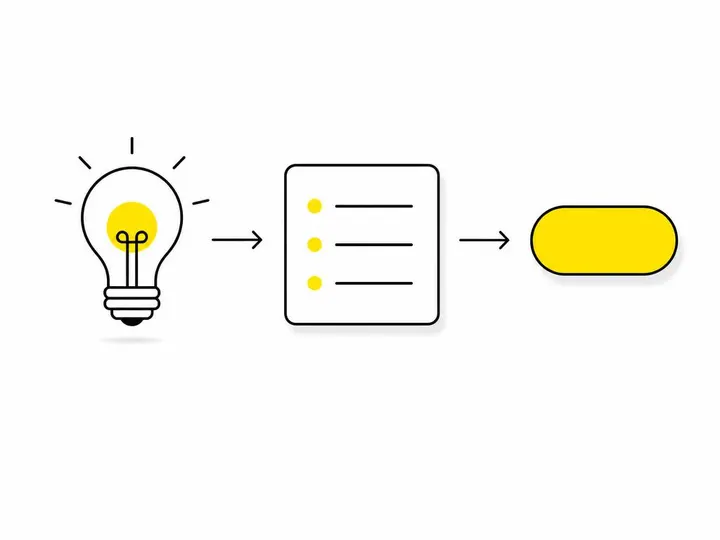
Write every post with three parts. First, hook: grab attention in the first sentence. "Your gutters could be hiding serious damage" or "New summer menu is live now." Second, detail: one to two sentences of context. "Winter debris and leaf buildup is the leading cause of water damage in older homes" or "We've added three new salads and a house-made aioli." Third, call to action: one clear next step. "Book a free inspection today" or "Try it this week." Keep posts short, 40 to 80 words maximum. Mobile users skim; make every word count. Include a phone number or link if you have a clear offer.
A Simple Monthly Posting Plan You Can Copy
Week-by-week post schedule template
Here's a repeatable four-week cycle that works for most businesses. Week one: post a What's New update about your business, team, or service area. Week two: post an offer or promotion (even if it's just "Call this week for faster quotes"). Week three: post an educational or helpful tip relevant to your industry. Week four: post a product, event, or service highlight. Then repeat. This cycle prevents repetition, keeps content fresh, and ensures you're hitting every post type. You can apply this to any business type. For tradies, rotate between seasonal awareness posts, current job highlights, and service specials. For retail, rotate between new stock, pricing, and event announcements. For professionals, rotate between client tips, availability updates, and service education.
Tools to make posting faster
You can post directly from your Google Business Profile on desktop or via the Google Business app on mobile. Some businesses batch-write four posts at once and schedule them across the month using Google's native scheduling feature, which saves time and reduces the friction of remembering to post weekly. How to qualify leads as a tradie becomes easier once you're getting regular profile enquiries, which posting accelerates. Third-party tools like Google's official guide to Business Profile posts provides detailed setup instructions if you're unfamiliar with the mechanics.
Common Mistakes That Waste Your Posting Effort
The biggest mistake is posting without a clear call to action. "Check out our new services" wastes space. "Call 0400 123 456 for a free quote on solar installation" works. The second mistake is posting identical content to Google Business Profile, Facebook, and Instagram. Each platform deserves tailored content. A post that works on Maps might bore Facebook users. The third mistake is posting when you're not ready to handle the enquiries. If you post "Same-day service available," you'd better actually provide same-day service, or customers will leave bad reviews. The fourth mistake is treating posts as afterthoughts. They should be planned like any other marketing activity. Get more quote requests from your website by also driving traffic from posts, which multiplies your lead sources across Google.
Conclusion
Google Business Profile posts are free, visible to high-intent local customers, and take about five to ten minutes to write. You don't need to post daily, and you don't need a perfect social media strategy. Posting once or twice weekly using the four post types in a simple rotation is enough to stay visible, build trust, and drive measurable enquiries. The businesses that win are the ones that actually commit to the habit, not the ones hunting for the perfect post formula.
Start this week. Pick one post type, write a short post about your business right now, and hit publish. Next week, pick a different type. Build the habit first, then refine the content. Most Australian small business owners will never use Google Business Profile posts consistently, which means the ones who do will dominate their local search results and field more enquiries than their competitors. It's that simple.