Facebook Marketplace for Small Business Australia: Is It Worth Using?

On this page 8 sections
Key takeaways
- Listing on Marketplace is free; a reported 10% fee applies to shipped checkout orders, not local pickup
- No verified Australian Marketplace user count exists, so do not equate Facebook's 17.7 million Australian users with Marketplace reach
- Best-fit businesses sell physical goods that are easy to photograph, price and collect locally
- Run a two-week test with 3 to 5 listings before committing regular time to the channel
- Marketplace captures immediate product demand but offers less targeting control than paid Meta Ads
- Always confirm payment before handover and choose a safe, neutral collection point
Facebook Marketplace can be a quick, cheap way to move stock locally if you're willing to manage messages, handle negotiations and protect yourself at collection. It's free to list, you keep more margin than you'd pay to an advertising platform, and buyers are actively searching for products in their area. But Marketplace only works if your business sells physical goods that people want to buy locally and pickup, and if you're prepared to measure whether the channel actually returns profit after your time investment.
What Is Facebook Marketplace and How Does It Work for Businesses?
Facebook Marketplace is a free local sales channel built into Meta's Facebook platform where Australian small business owners can list products for immediate discovery by nearby buyers. Unlike a Facebook Business Page, which exists to build brand credibility and share updates, Marketplace is transaction-focused: buyers search by product type, location and price, and they message you directly to arrange collection or shipping.
When you create a Marketplace listing, you upload product photos, write a description, set a price and nominate a collection area. Your listing appears in search results for buyers in that suburb and surrounding areas who are browsing similar items. Marketplace uses your Facebook profile or Business Page name and photo, so buyers can check your credibility by visiting your Page. This separation is important: a strong Facebook presence builds trust, but Marketplace itself is where the transaction starts.
How listings appear to local buyers
A Marketplace listing shows up when a buyer searches for your product type and filters by location. You can set a specific suburb or let buyers find you across a wider area. Buyers see your photo, price, condition, and a short description. If they're interested, they message you directly through Messenger. You're responsible for responding quickly, confirming the sale, agreeing on a collection time and location, and handling payment (usually cash at collection or bank transfer beforehand).
Marketplace versus your Facebook Page
Your Facebook Business Page and your Marketplace presence serve different purposes. A Page is where you share company updates, post content, respond to reviews, and build an audience that follows you over time. It's the place buyers check to see if you're legitimate. Marketplace is where you list individual products for active, immediate purchase intent. You need both: the Page for credibility and ongoing connection, and Marketplace for product discovery by buyers who are searching right now.
Which Australian Small Businesses Are the Best Fit?
Marketplace works best for businesses selling tangible products that are easy to photograph, describe accurately and collect locally, and worst for service businesses or anything that requires delivery complexity or ongoing customer relationships.
Products that perform well
Furniture, secondhand or ex-stock equipment, seasonal items, excess inventory, refurbished goods, and stock clearances all work well on Marketplace because buyers are actively looking for those items in their area and expect to collect quickly. If you run a retail business, warehouse, or workshop with surplus stock, Marketplace is a natural fit. A cafe clearing old furniture after a fit-out, a plumber selling excess pipe or fittings, a landscaper offloading old tools, or a small warehouse shifting overstock can all test Marketplace easily.
Business types that are a poor fit
Service businesses, consultants, and tradespeople who sell time or expertise rather than products should avoid trying to list services on Marketplace. Meta's Marketplace policies restrict services, and even if you could list, the platform doesn't suit ongoing customer relationships. Instead, focus on using Facebook to reach local customers through your Business Page and targeted paid campaigns.
What Does It Actually Cost to List on Facebook Marketplace in Australia?
Creating a Marketplace listing is free, but transaction fees apply depending on how the buyer pays and whether the order ships or is collected locally.
Local pickup listings
If a buyer collects the item in person and pays you directly (cash or bank transfer), there is no fee. You keep the full sale price. This is the simplest and most common model for Australian small businesses using Marketplace.
Shipped checkout and the reported 10 percent fee
If you enable Facebook's shipped checkout option and a buyer pays through the platform, Meta's Seller Protection Policy applies a reported 10 percent fee on eligible transactions, with a minimum of around USD 0.80. However, this feature and fee structure are not clearly confirmed as available to all Australian sellers, and Meta does not publish a definitive local fee schedule. If you're considering shipping, confirm the exact terms in your Meta Ads Manager or contact Meta directly before committing.
How the costs compare with Gumtree
Gumtree, Australia's larger secondhand and classifieds platform, charges flat fees for certain categories and takes a percentage on some transactions, whereas Marketplace charges nothing for local pickup. However, Gumtree reports 6 million Australian users and over 2.5 million active listings, so it has higher traffic in Australia than Marketplace does. You should consider both: Marketplace is worth testing if you want to leverage your Facebook presence and reach buyers already on the platform, while Gumtree may have higher discovery for certain product categories. Many Australian sellers use both simultaneously.
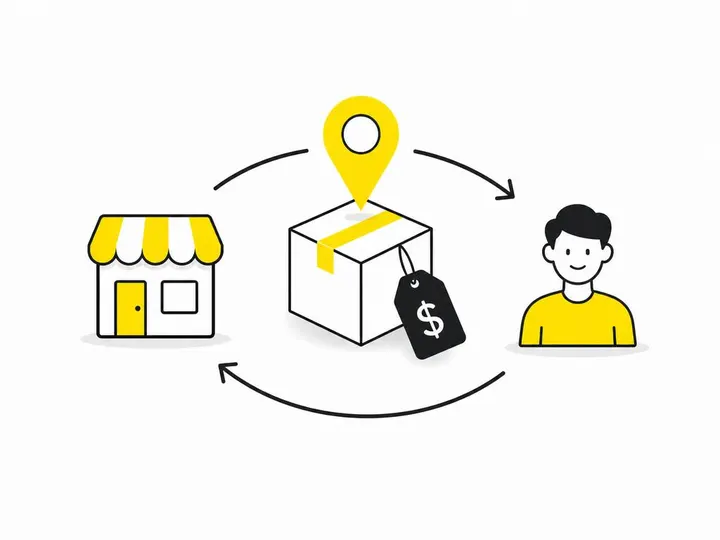
How to Run a Low-Risk Two-Week Test
Testing Marketplace costs you almost nothing except time, so you can validate whether it works for your business before deciding whether to scale it.
Step 1: Choose three to five products
Pick items that represent different price points and types of stock you're looking to move. They should be items you have in hand right now, not future stock. Take clear, well-lit photos from multiple angles and list them with a realistic price. Avoid listing slow-moving or damaged stock; this is about validating the channel on your best products.
Step 2: Write suburb-specific listings
Include your local suburb name in the title and description. Say something like "Coffee table, Parramatta area, pickup only" rather than just "coffee table." Buyers searching Marketplace often filter by suburb first, and specific location words make your listing discoverable. Set a collection address or suburb clearly so buyers know exactly where they're picking up.
Step 3: Track the right numbers
For two weeks, track views, messages received, serious enquiries (buyers who ask genuine questions and don't just inquire about price), completed sales, and no-shows. Also log how much time you spend responding to messages. A serious enquiry is one where the buyer asks about pickup times, confirms they're ready to collect, or asks practical questions about condition or size. Count those separately from casual interest.
Step 4: Decide whether to continue
After two weeks, calculate: How many sales did you make? What was the total revenue? How many hours did you spend on messages and coordination? Did you have significant no-shows or time-wasters? Did the margin after your time investment feel worthwhile compared to other sales channels? If you made three to five sales with genuine, reliable buyers and the time input felt manageable, Marketplace is probably worth continuing. If you got hundreds of messages from bargain hunters or time-wasters and no sales, it may not suit your product or area.
Marketplace Versus Paid Meta Ads: When to Use Each
Marketplace and paid Meta advertising are complementary channels, not competitors, and you should understand when to use each one.
What Marketplace does that ads cannot
Marketplace lets buyers discover your products organically without you spending money on advertising. It reaches buyers who are actively searching by location and product type, and it's fast: a buyer can message you and collect the same day. For stock clearance or time-sensitive items, Marketplace's speed and zero cost per listing are huge advantages. There's no budget to manage, no ad account to set up, no pixel to install.
What ads do that Marketplace cannot
Paid Meta Ads management gives you precise control over targeting, audience, creative testing, and lead quality. You can reach specific age groups, interests and behaviours, and you can measure exactly how much you're spending per click or sale. Marketplace offers no targeting controls: your listing goes to everyone searching in your area. If you want to reach a niche audience or build brand awareness beyond immediate product searches, paid ads are essential. Many businesses combine both: they use Marketplace for immediate, organic product sales and paid Meta Ads for local customer acquisition and brand-building.
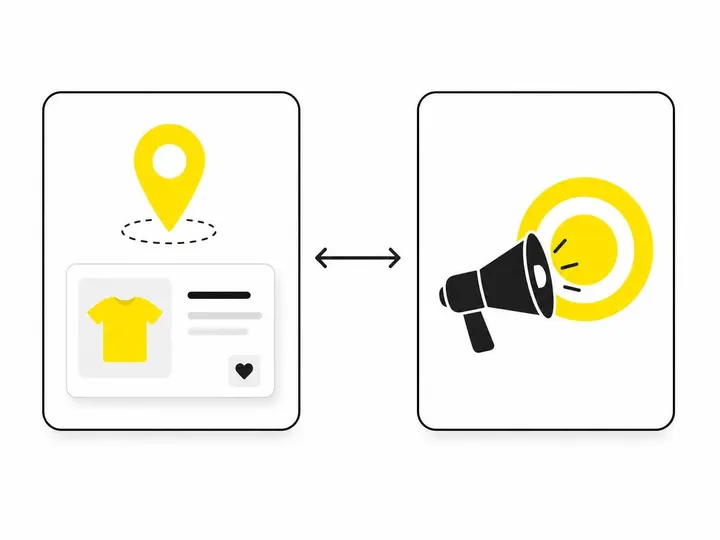
Safety, Trust and Margin Controls
Marketplace transactions involve handing over goods to a stranger, so protect yourself and calculate whether the channel's profitability is real once you account for risk and time.
Protecting yourself at collection
Always meet in a public, safe location and bring a friend if you're collecting cash. Confirm the buyer's payment (cash counted, or bank transfer receipt shown) before handing over the item. Never accept promises to pay later. If a buyer is evasive about timing, location or payment method, it's safe to cancel. A lower conversion rate of reliable sales is better than a higher rate of no-shows or disputes.
Building buyer trust through your Facebook Page
Buyers often click through to your Facebook Page to check you're a real business. A Page with a clear profile photo, a business description, and ideally some recent posts or positive reviews gives buyers confidence that you're trustworthy. What to post on Facebook for small business can feel daunting, but for Marketplace purposes, you don't need to post constantly. A few photos of your business, your location, and maybe a customer testimonial or two are enough to build credibility.
Calculating whether the channel pays
After your two-week test, work out true profit. Calculate: total sale revenue minus cost of goods sold, minus the value of your time (even at a conservative hourly rate), minus any minor costs like delivery if you offer it. If you spent five hours over two weeks on messages and collection coordination, and made a total profit of AUD 200, that's AUD 40 per hour—worth it only if you have spare capacity. If you made AUD 50 profit on five hours, it's not. Be honest: Marketplace is low-friction but only profitable if your margins and sales velocity stack up.

Verdict: Is Facebook Marketplace Worth It for Your Australian Small Business?
Facebook Marketplace is worth testing if you have physical products to move locally and you can afford to spend a few weeks learning whether your products, area and customer base make it work. The barrier to entry is zero: listing is free, you don't need an advertising budget, and you can test on a handful of items quickly.
Marketplace is not worth pursuing if you sell services, if your products require complicated shipping, or if your margins can't absorb the time cost of managing messages and coordinating collections. It's also not a replacement for a real Facebook Business Page or professional website: those build long-term trust and credibility, whereas Marketplace is purely transactional.
The honest takeaway is this: run your two-week test, track the numbers honestly, and decide based on actual sales and time, not assumptions. If three to five reliable sales happen and the margin stacks up, keep going. If you get tire-kickers and no-shows, move on to another channel. Marketplace is a tool, not a guarantee, and it only works if your specific business and products fit.
Conclusion
Facebook Marketplace can be a fast, free way for Australian small businesses to sell stock locally, but it only works if you have tangible products that people want to collect quickly and if the margin justifies your time investment. Unlike paid advertising, Marketplace costs nothing to list and reaches buyers actively searching in your area. However, it offers no targeting control, requires you to manage messages and collection logistics personally, and works poorly for services or complex sales.
Test Marketplace with three to five products over two weeks using suburb-specific descriptions and clear collection details. Track views, messages, serious enquiries and completed sales. If you make three or more sales and the profit per hour spent feels worthwhile, continue. If most messages are haggling or no-shows, try Gumtree or focus your energy on social media management for small business and paid advertising instead. The key is measuring what actually works, not assuming Facebook's large Australian audience translates directly into Marketplace sales for your business.
Frequently asked questions
Is Facebook Marketplace free to use for small businesses in Australia?
Can I sell services on Facebook Marketplace in Australia, or is it just for products?
How does Facebook Marketplace compare with Gumtree in Australia?
What is the best way to get serious buyers on Facebook Marketplace?
Should I use Facebook Marketplace instead of running Facebook ads for my business?
How do I know if Facebook Marketplace is actually working for my business?

Facebook Page vs Group for Business in Australia: Which One Do You Actually Need?
Facebook and Instagram Carousel Ads for Australian Small Businesses: When to Use Them