Social Media Marketing for Builders Australia: Content Ideas That Win Better Projects
Your competitors are getting better projects through social media right now, and they're not doing anything magical. They're showing real work, talking to the right people on the right platforms, and posting consistently without burning out. If you're a builder in Australia struggling to choose between Instagram, Facebook, and LinkedIn, or wondering what on earth to post about, this is the roadmap.
Why Social Media Actually Works for Australian Builders (When Done Right)
Social media works for builders because clients are already there before they pick up the phone. They're scrolling through progress photos, checking out your team, and reading reviews. The builders winning better projects aren't necessarily the ones with the most followers; they're the ones showing up consistently with the right content for the right audience.
Where Your Clients Are Looking Before They Call
Residential clients start their builder search on Facebook and Instagram, often before a formal quote request. They want to see your past work, your team, how you handle problems, and proof that you deliver on time. Commercial clients and developers are more likely hunting on LinkedIn, checking credentials and relationships. Local Google search still matters, but social media builds the trust that makes someone actually call you instead of three competitors.
The key insight: your ideal client is already on one of these platforms. You just need to be there too, speaking their language. That's why Instagram content ideas for tradies matter so much right now, it's where homeowners and renovators spend their evenings.
The Quality vs Quantity Problem Most Builders Face
Most builders either ghost on social media (posting once every three months) or they burn out trying to post daily. The sweet spot isn't about volume; it's about showing work that matters to your target client. A progress video that explains why you're using a particular material beats ten generic before-and-after photos.
Which Platforms Work for Australian Builders in 2026
Not every platform deserves your time. Here's where Australian builders actually find clients and win projects.
Instagram: Best for Residential Custom Builds and Renovations
Instagram Reels and static posts dominate the residential market. Homeowners and renovation enthusiasts are scrolling through their feeds looking for inspiration, and they stop for visual storytelling. Reels perform better than static images right now because the algorithm favours video, and short clips of work in progress hold attention better than a finished photo alone.
What works: progress clips (5 to 15 seconds), before-and-after sequences, close-ups of craftsmanship, and team introductions. Skip the heavily edited aesthetic shots; builders who post raw, honest footage of the job stand out more.
Facebook: Still Dominant for Local Builder Discovery
Facebook Business Pages remain the second place people search for local builders, especially in the 45 to 65 age group. Facebook groups are also goldmines; builder-focused communities and local area groups are where recommendations happen. The algorithm prioritises video here too, but longer, more detailed content performs better than on Instagram.
What works: detailed progress posts (200 to 400 words), client testimonials with video, detailed explanations of process, and regular engagement in local Facebook groups without being salesy about it.
LinkedIn: Commercial Projects and Developer Relationships
If you do commercial work, apartments, or developer relationships, LinkedIn is non-negotiable. It's where commercial clients, project managers, and other builders are actively looking for partners and subcontractors. Your LinkedIn Company Page should reflect your credentials, safety record, and completed commercial projects.
What works: project case studies with metrics, safety and compliance posts, industry insights, and genuine engagement with other construction professionals.
Why You Should Skip TikTok (For Now)
TikTok skews younger and toward entertainment-first content. Unless you're specifically targeting DIY enthusiasts aged 16 to 30, your time is better spent on Instagram Reels, which reach the same young audience but also pull in the 30 to 60 demographic actually buying building work.

Content Ideas That Attract Quality Clients, Not Tyre-Kickers
The difference between content that attracts paying clients and content that wastes your time is specificity and value. Generic doesn't work anymore.
Progress Videos: Show the Work, Not Just the Result
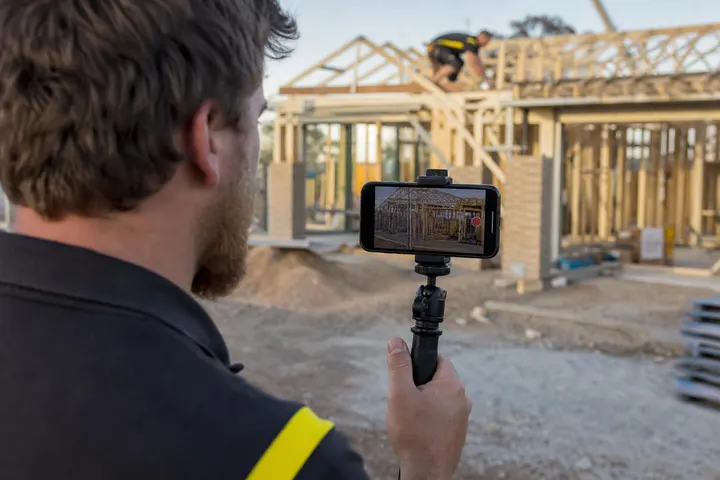
A progress video content approach means filming the job over weeks or months and sharing short clips that show the process. People want to see how you solve problems, how your team works, and the detail that happens between the empty block and the handover. This is where trust happens.
Tip: use a phone mounted on a tripod or a simple handheld camera. Phone quality is fine. Consistency and authenticity matter more than production value.
Problem-Solving Content: Common Issues You Fix
Post about the problems you fix every week. Structural cracks in older homes, plumbing runs, dodgy previous work, drainage issues, compliance gaps. Explain what you find and how you handle it. Clients reading this realise you know the hidden problems they can't see, and that's what stops them calling the cheapest quote.
Client Testimonials and Handover Moments
Video testimonials are gold. A 60-second clip of a happy client walking through their finished home, saying what you did well and that you stayed on time and budget, is worth ten polished marketing graphics. Ask happy clients if you can film a short walkthrough and quote. Always with permission and signed paperwork.
Behind-the-Scenes Team and Safety Posts
Show your team, introduce your supervisors, post about safety protocols, and share how you train people. This humanises your business and signals to clients that you're professional and organised. Safety content especially matters; it shows you're thinking about the details clients don't even know to worry about.
Educational Content: Materials, Process, Standards
Explain why you choose certain materials, how a particular process works, or what Australian Building Standards mean for their project. Educational content positions you as the expert and gives people a reason to follow you beyond just looking at pretty photos. Refer to Australian Building Codes Board standards when relevant to show you're across compliance.
The 80/20 Posting Rule for Builders
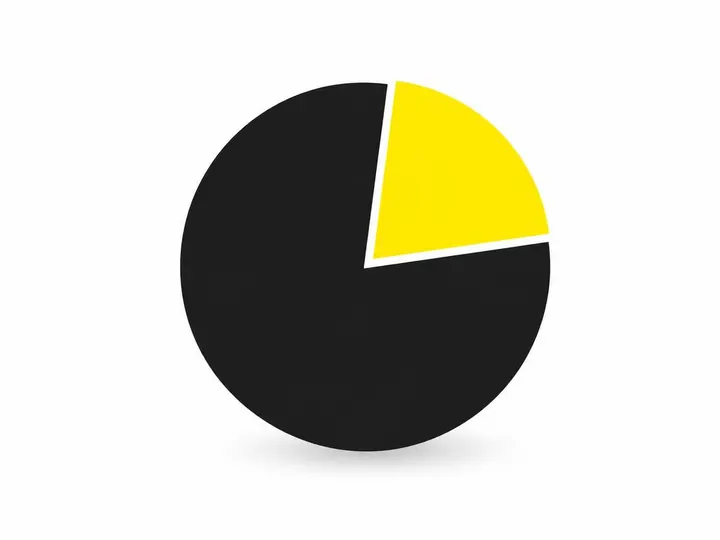
The 80/20 rule for builders means 80 percent of your content should educate, entertain, or add genuine value; only 20 percent should directly promote your services or ask for work.
What the 80/20 Rule Means in Practice
Out of ten posts per month, eight should be problem-solving, progress, testimonials, education, or team content. Two can be direct: "We're booking now for Q2", "Enquire here for a free site assessment", "New project range open". Most builders flip this ratio and wonder why nobody engages.
How to Balance Educational and Promotional Content
Track your posts in a simple spreadsheet: mark each as educational, behind-the-scenes, testimonial, or promotional. Over a month, you'll see your ratio. If you're promoting 50 percent of the time, you're losing followers and wasting reach. Pull back on the ask and lead with value instead.
How Often Should Builders Post on Social Media?
The right frequency depends on your platform and how much time you actually have, but consistency matters more than volume.
Minimum Viable Frequency by Platform
Instagram: Three to four posts per week (including Reels) to stay in the algorithm feed.
Facebook: Three to five posts per week; you can go slightly higher here because the audience expects more frequent updates.
LinkedIn: One to three times per week; quality over frequency for this platform.
These are minimums. If you can do more, do it. But one consistent post per week beats sporadic bursts followed by silence.
Batching Content: The Tradie-Friendly Approach
You don't have to post daily or even think about social media every day. Content batching means filming and photographing content in blocks: one site visit, you capture three weeks of material. Then you schedule posts using tools to batch and schedule content over the following weeks.
Use Meta Business Suite scheduling guide to schedule Instagram and Facebook posts weeks in advance. Spend two hours on a Saturday capturing content and scheduling for the next month. Job done.
Common Social Media Mistakes Australian Builders Make
These waste time and kill your credibility faster than silence does.
Generic Before-and-After Overload
Every builder posts before-and-afters. It doesn't differentiate you anymore. Before-and-afters are fine as supporting content, but lead with process, problem-solving, and personality instead.
Posting Without a Clear Client Avatar
If you're trying to attract residential renovators and commercial developers with the same content, you'll confuse both. Create separate posts or use different platform strategies for different audiences. Residential clients want different information than developers do.
Ignoring Platform-Specific Best Practices
Posting a LinkedIn article as an Instagram caption, or copying the same text across every platform, tanks your performance. Each platform has different audience expectations, social media hooks that stop the scroll that work differently, and formatting rules. Spend 10 minutes adapting content for each platform.
Inconsistent Posting That Kills Momentum
Three posts in January, zero in February, five in March. The algorithm deprioritises inconsistent accounts because followers aren't used to seeing you. Pick a frequency you can actually maintain and stick to it.
Practical Setup: Getting Started This Week
Stop planning and start.
Content Pillars for Your First Month
Choose three to four content themes you'll rotate: progress and process, problem-solving, team and culture, client testimonials. Write these down. For the next four weeks, every post fits one of these buckets. This keeps your content focused and stops you posting random stuff.
Tools That Actually Save Time
You need two tools: a scheduling platform (ideal posting frequency for small business is easier to hit with scheduling), and a simple content calendar (Google Sheets is fine). Don't overcomplicate it. One hour of setup saves you hours every month.
When to DIY vs Outsource
DIY works if you have 5 to 8 hours per month to dedicate to filming, editing, and posting. If you don't, or if you'd rather spend that time on site, hire someone. A done-for-you social media service handles content creation, scheduling, and engagement so you don't have to think about it. That usually costs $500 to $2,000 per month depending on scope, which is worth it if it brings in one extra project per quarter.
Conclusion
Social media marketing for Australian builders isn't complicated; it's just different from how other industries approach it. Your clients are on Facebook and Instagram looking for proof that you deliver, you understand their problems, and your team is professional and safe. Post consistently, show your work, educate, and balance value with promotion. Stick to the 80/20 rule, batch your content so you're not thinking about it every day, and track what works.
Start with one platform, get comfortable, then add another. Don't try to be everywhere at once. The builders winning better projects aren't the ones with the most followers; they're the ones with followers who actually call them. That happens through consistent, specific, honest content that shows who you are and what you do.
Pick a content pillar, film one site visit this week, and schedule three posts. That's all it takes to start.