Social Media Strategy for Nonprofits: How Australian Charities Can Get More Supporters
On this page 9 sections
Australian nonprofits face a brutal truth: you're competing for attention and donations against bigger organisations with bigger budgets. But here's the good news. Social media levels that playing field. A well-run social media strategy doesn't cost much money it costs consistency, authenticity, and a clear plan. Whether you run a small community service, an animal rescue, or a health charity, the tactics in this guide work on real platforms with real Australian supporters.
Why Social Media Matters for Australian Nonprofits
The Reality: Competing for Attention on Zero Budget
Your donors aren't just on Facebook or Instagram scrolling mindlessly. They're there because they want to connect with causes that matter. The problem is they're also seeing content from hundreds of other organisations. Without a strategy, your posts disappear into the noise.
Social media is free to use, but it demands time. If you're running a lean nonprofit with a small team or mostly volunteers, you need a system that doesn't eat up hours each week. This is why free scheduling tools become essential they let you batch-create and publish content without living on the platform every day.
What Social Media Can (and Can't) Do for Your Charity
Social media won't solve a funding crisis overnight. It won't replace grant writing or face-to-face fundraising. But it will build awareness, nurture relationships with supporters, recruit volunteers, and drive donations from people who already follow you. Think of it as the connective tissue between your mission and the people who care about it.
Choosing the Right Platforms for Your Nonprofit
Facebook: Still the Best Place to Reach Australian Donors
Facebook remains the primary platform for nonprofit fundraising in Australia. Older donors (who often have more disposable income) use Facebook regularly. You can create fundraisers directly on the platform, run donation campaigns, and build mailing lists. The algorithm isn't perfect, but understanding how Facebook's algorithm prioritises content helps you post at times when supporters are actually online.
Start here if you can only manage one platform. Facebook Groups also become powerful tools for building a genuine community online around your cause. A private group for regular donors or volunteers creates a place where people feel like insiders, which strengthens loyalty.
Instagram: Perfect for Visual Storytelling and Young Supporters
If your charity involves any visual work animals, community projects, youth programs, environmental work Instagram is where you'll reach younger supporters. Australian nonprofits doing youth work, mental health support, or environmental activism see strong engagement on Instagram. How to use Instagram effectively applies equally to nonprofits: post consistently, use Stories to build connection, and rely on authentic images over polished corporate shots. Your supporters want to see real work happening, not stock photos.
LinkedIn: Underrated for Corporate Partnerships and Grants
Most nonprofits ignore LinkedIn, but it's valuable for reaching corporate donors, foundations, and grant-makers. If you're looking for business sponsorships or major grants from larger organisations, LinkedIn is where decision-makers hang out. A regular presence here also establishes your nonprofit as professional and credible.
What About TikTok and X (Twitter)?
Unless your nonprofit specifically targets Gen Z (like youth mental health services or climate activism), TikTok probably isn't worth your time. X (formerly Twitter) is useful mainly for quick news sharing and advocating on policy issues. Stick to the platforms where your actual supporters spend time.
Building a Social Media Strategy on a Nonprofit Budget
Set Clear Goals: Donors, Volunteers, or Awareness?
Before you post anything, decide what you're trying to achieve. Are you raising money for a specific campaign? Recruiting volunteers? Building general awareness? Your goals determine which platforms matter most and what you should post.
A clear goal also makes it easier to measure success. "Get more followers" is vague. "Recruit 20 volunteers for the spring cleanup" is actionable. Write down 2 to 3 specific goals for the next 3 months and stick to them.
Content Pillars: What to Post and How Often
Most nonprofits post randomly whenever they remember. Instead, create content pillars—buckets of content types that make sense for your mission. For example:
Stories of people you've helped (beneficiary spotlights)
Volunteer highlights and thank-yous
Behind-the-scenes work happening at your charity
Educational content related to your cause
Donation calls and fundraising updates
News and industry updates
Rotate through these pillars. This way, your content feels varied and purposeful, not like constant begging. Aim for 3 to 5 posts per week on Facebook, 4 to 7 on Instagram if you have the capacity. Use social media scheduling platforms to batch-schedule your posts in one session and spread them throughout the week.
Free Tools That Make Content Creation Easier
Canva's free design tools make it simple to create professional-looking graphics without design skills. Unsplash and Pexels offer free stock photos. If you need to schedule posts in advance without paying for premium software, most platforms offer basic free scheduling. The time savings alone justify learning these tools.
Creating Content That Gets Supporters to Take Action
Tell Stories, Not Statistics
"We helped 150 families this year" doesn't move people. "Meet Sarah she arrived at our shelter with two kids and nowhere else to go. Three months later, she has stable housing and a new job" does. Stories create emotional connection. Statistics create distance.
Share one story per week. Don't worry about perfect writing authentic voice beats polished corporate language every time. Your supporters want to see real humans doing real work.
The Power of Volunteer and Beneficiary Spotlights
Regularly feature a volunteer or beneficiary (with permission). Ask them a few simple questions: Why did you get involved? What was your biggest surprise? What does this work mean to you? These spotlights cost nothing to create, and they showcase your impact while making volunteers feel valued.
Behind-the-Scenes Content Builds Trust
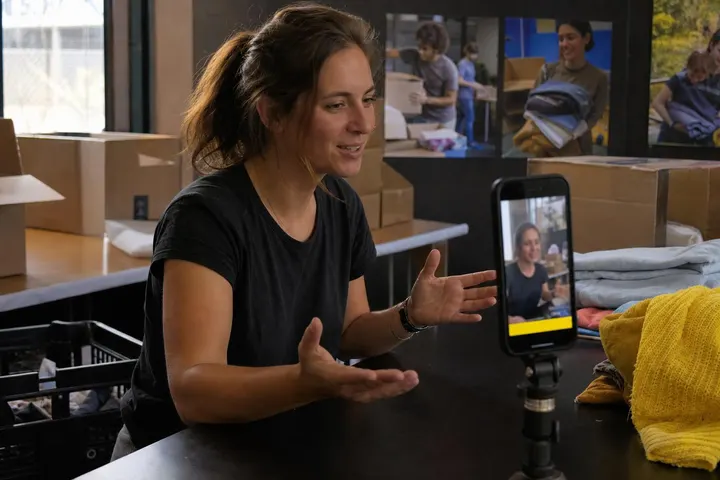
People don't trust distant, perfect institutions. They trust organisations that show their real work. Post photos of your team packing donation boxes, staff training sessions, or the messy reality of your everyday operations. This humanises your charity and makes supporters feel like part of something genuine.
How to Ask for Donations Without Sounding Desperate
Many nonprofits feel uncomfortable asking for money on social media. But your followers chose to follow you because they care about your cause. Asking for support isn't pushy it's honest. Frame donation asks around specific needs: "We need $2,000 to buy winter blankets for 40 homeless people this July" works better than "Please donate." Show what the money does. Make it real and specific, and ask regularly (but not every post).
Growing Your Audience Without a Marketing Budget
Encourage Supporters to Share Your Content
Your best marketing tool is your existing supporters. Ask them to share your posts. Better yet, make sharing easy by writing content with social media hooks that stop the scroll. Posts that ask a question, surprise people, or spark emotion get shared more often. When your supporters share, their friends see your content, and new people discover you.
Partner With Local Businesses and Influencers
Local businesses and micro-influencers often want to support nonprofits. Reach out and propose a collaboration: they feature your cause on their platforms, you mention them to your supporters. This expands your reach without spending money.
Use Hashtags That Australian Donors Actually Search
Research hashtags that supporters in your space actually use. Don't just guess. Look at what other nonprofits in your field use. Use 5 to 10 hashtags per post on Instagram and Facebook, mixing broad tags with specific ones related to your location and cause.
Facebook Groups: An Untapped Goldmine for Community Building
Create or actively manage a private Facebook Group for supporters. Groups feel more intimate than a public page. Members share ideas, help each other, and feel genuine connection to your cause. Groups also make it easier to stay in touch with regular donors and volunteers without constantly asking for money on your main page.
Measuring What Matters: Simple Metrics for Nonprofits
Forget Vanity Metrics. Track These Instead
Don't obsess over follower count. Instead, track metrics that actually matter: How many people clicked your donation link? How many volunteers came through social media recruitment posts? How many people attended your event after seeing it promoted on Facebook? These are the numbers that show real impact.
Free Analytics Tools Every Charity Should Use
Facebook and Instagram provide free analytics built into your account. Check these monthly. Look at which posts got the most engagement and why. See when your audience is most active online. Adjust your posting times and content based on this data.
When to Adjust Your Strategy
Review your metrics every month. If certain content types consistently underperform, stop doing them. If volunteer recruitment posts get strong engagement, do more of them. A strategy should evolve based on what actually works with your supporters.

Common Social Media Mistakes Nonprofits Make
Posting Only When You Need Money
If people only see donation requests from you, they'll mute or unfollow. Build goodwill by sharing stories, celebrating wins, and posting educational content. Ask for money 1 in every 5 to 7 posts, not every post.
Ignoring Comments and Messages
People take time to comment on your posts or message you privately. Ignoring them sends the message that you don't care. Respond to comments within 24 hours. Thank people for their support. Answer questions. This builds loyalty and encourages more engagement.
Trying to Be on Every Platform
Spreading yourself thin across five platforms produces mediocre content everywhere. Focus on two platforms where your supporters actually spend time. Do them well. You can expand later.
Not Showing the Impact of Donations
When someone donates, follow up and show them what their money did. "Your $50 helped buy food for 10 families this week" is powerful. Many nonprofits forget this step. Don't.
When to Consider Paid Social Media Advertising
Facebook Ad Grants and Nonprofit Discounts
Facebook offers Ad Grants for eligible nonprofits up to $20,000 in free advertising credits per month. Check if your organisation qualifies through the Australian Charities and Not-for-profits Commission (ACNC). Even if you don't qualify, Facebook offers discounts for nonprofits on paid ads.
Small Budget, Big Impact: Starting With $50/Month
If you do decide to pay for advertising, start small. $50 per month on affordable Meta ad campaigns can reach hundreds of people interested in your cause. Target based on geography, interests, and behaviours. Test different ad creative and see what converts.
Retargeting Website Visitors to Boost Donations
If you have a website, retarget people who've visited it but didn't donate. A small $20 to $30 budget for retargeting ads often brings back people ready to give.
Conclusion
A strong social media strategy doesn't require a big budget. It requires consistency, authenticity, and clear goals. Start with one or two platforms where your supporters already hang out. Post stories that move people. Respond to supporters. Track what works and adjust. Over time, social media becomes the bridge between your mission and the people who want to support it.
If managing social media feels overwhelming alongside your other nonprofit duties, consider whether social media management services might free up your team's time. Many nonprofits find that outsourcing this work allows staff to focus on the mission itself.
The key takeaway is this: your supporters want to hear from you. They care about your cause. Social media is simply the tool that makes regular connection possible. Use it honestly, use it consistently, and watch your community grow.